



South Korea’s café culture is increasingly becoming a tourism attraction as seasonal fruit desserts draw both domestic consumers and international visitors seeking limited-time culinary experiences.
While Korean cafés have long been recognized for their specialty coffee and distinctive interior design, fruit-based desserts featuring peaches, Shine Muscat grapes, strawberries and mangoes are emerging as a major driver of seasonal travel.
Across Seoul, Busan and Jeju Island, cafés now introduce menus that change with Korea’s agricultural calendar, encouraging customers to revisit throughout the year as different fruits reach their peak harvest.
Industry observers say the trend reflects growing consumer demand for fresh, locally sourced ingredients combined with visually appealing desserts that perform well on social media platforms.
Summer is dominated by peach desserts.
From late June through August, cafés introduce peach shortcakes, parfaits, tarts and iced beverages using domestically grown peaches harvested in regions such as Gyeongsangbuk-do and Chungcheongbuk-do. Many establishments promote limited daily quantities, emphasizing freshness over year-round availability.
Mango desserts have also become a seasonal highlight.
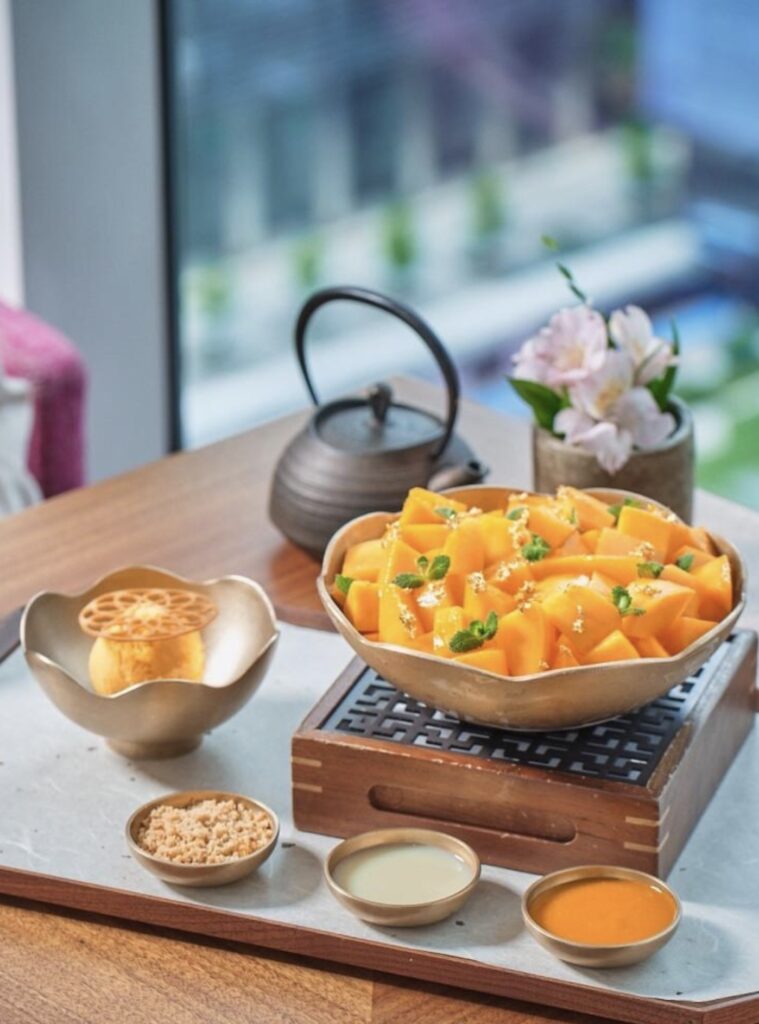
Luxury hotels and premium cafés launch elaborate mango bingsu each summer, often using imported Thai mangoes alongside Korean dairy products. Some premium hotel versions have become widely discussed online because of their high prices, attracting visitors interested in experiencing one of South Korea’s best-known summer desserts.
As autumn approaches, Shine Muscat grapes take center stage.
The premium green grape variety has become one of Korea’s most sought-after fruits, appearing in cakes, cream-filled pastries, tarts and beverages. Its naturally sweet flavor and crisp texture have made it especially popular among younger consumers willing to pay higher prices for seasonal specialties.
Winter brings another transformation.
Beginning in late autumn and continuing through spring, cafés replace grape and peach menus with strawberry desserts featuring domestically grown strawberries from major producing regions. Strawberry cakes, fresh cream sandwiches, croissants and beverages become seasonal bestsellers, with many cafés redesigning their menus almost entirely around the fruit.
The rapid turnover of seasonal offerings has helped strengthen Korea’s café tourism industry.
Rather than visiting a café only once, consumers increasingly return throughout the year to experience different limited-edition menus. International visitors are also incorporating famous dessert cafés into travel itineraries alongside traditional tourist attractions.
Social media has accelerated the phenomenon.
Images of towering mango bingsu, oversized strawberry cakes and elegantly decorated peach desserts frequently appear on Instagram, TikTok and other platforms, generating significant online interest before the products even become available.
Many independent cafés now announce seasonal launches weeks in advance, creating anticipation among customers eager to sample new menus before supplies run out.
Tourism experts say food experiences are becoming an increasingly important component of travel planning in South Korea.
Visitors who once focused primarily on Korean barbecue or street food are now exploring bakeries, dessert cafés and specialty coffee shops that showcase local ingredients in contemporary ways.
The emphasis on seasonality also reflects broader consumer preferences.
Rather than offering identical menus throughout the year, cafés are differentiating themselves through limited-time products that highlight freshness and encourage repeat visits. Seasonal fruit desserts have become an effective way for businesses to respond to changing consumer tastes while supporting domestic fruit producers during peak harvest periods.
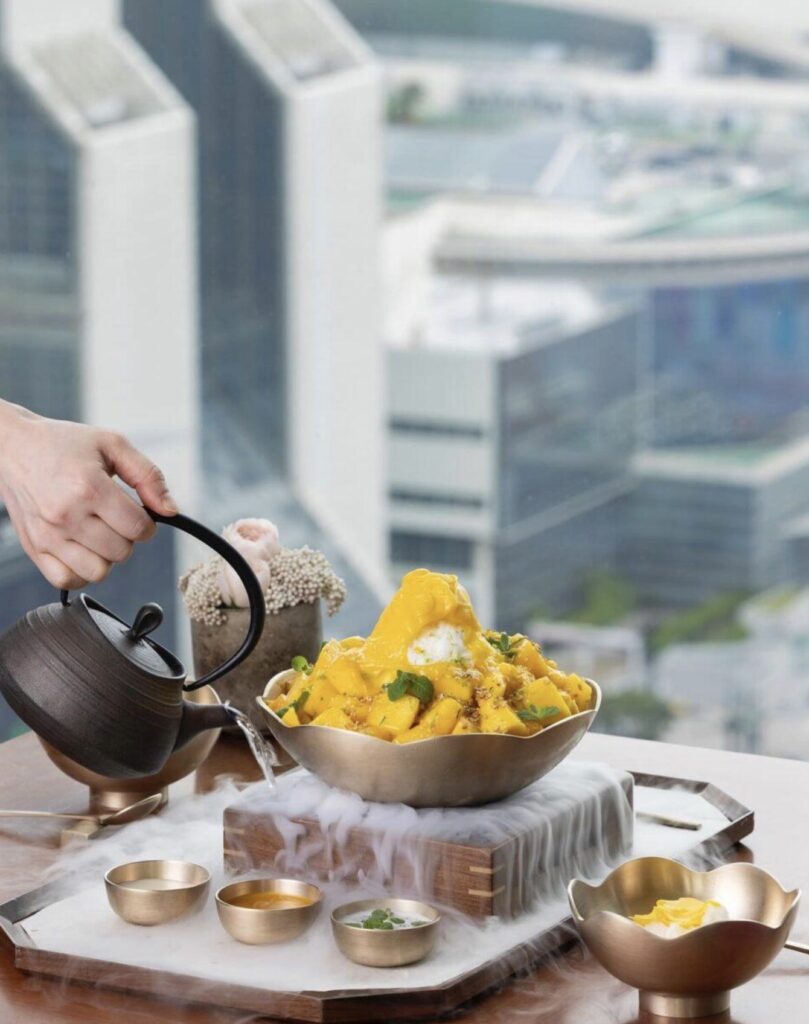
Premium presentation has further enhanced the appeal.
Many cafés carefully arrange fresh fruit, whipped cream and handcrafted pastries to create desserts designed for photography as much as for dining. The combination of flavor, aesthetics and limited availability has contributed to a culture in which customers actively seek out new seasonal releases.
As South Korea’s café industry continues evolving, seasonal fruit desserts are expected to remain a defining feature of the country’s food tourism landscape.
For travelers, the experience increasingly depends not only on where they visit, but also on when they arrive, with each season offering a different taste of Korea’s agricultural abundance and café creativity.
SOPHIA KIM
US ASIA JOURNAL

