


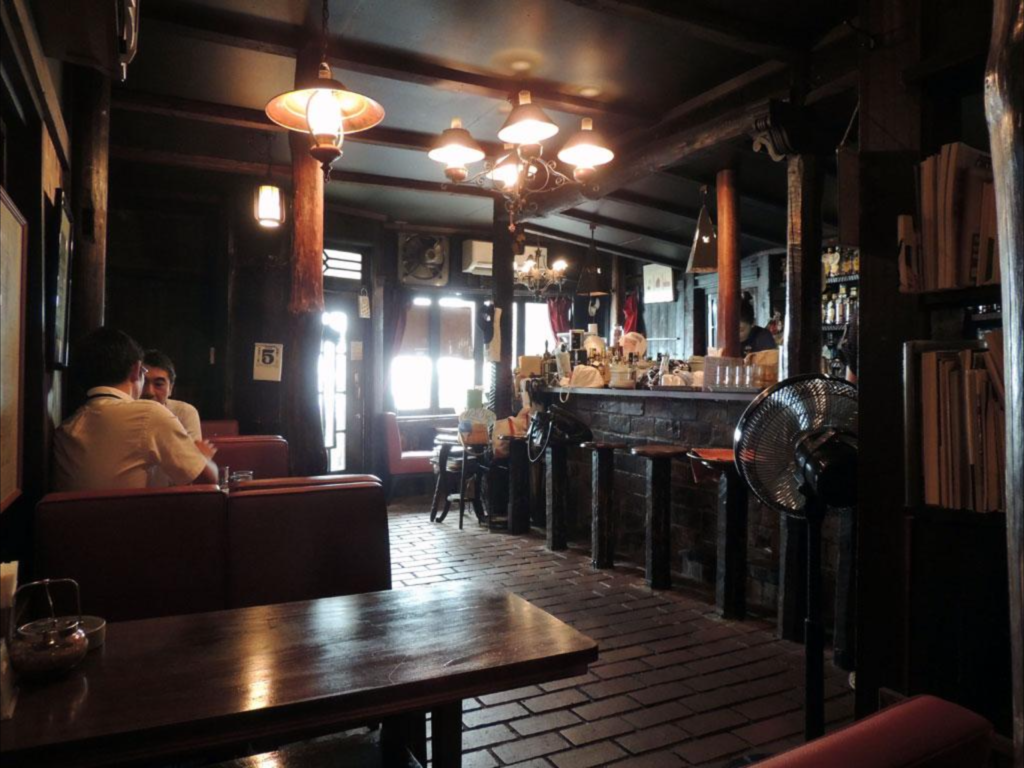
Long before specialty coffee chains and minimalist cafés became fixtures of urban life, Japan’s kissaten quietly shaped the country’s coffee culture. Today, these nostalgic coffee houses are experiencing an unexpected revival as younger Japanese consumers and international visitors seek authentic experiences rooted in the country’s Showa-era charm.
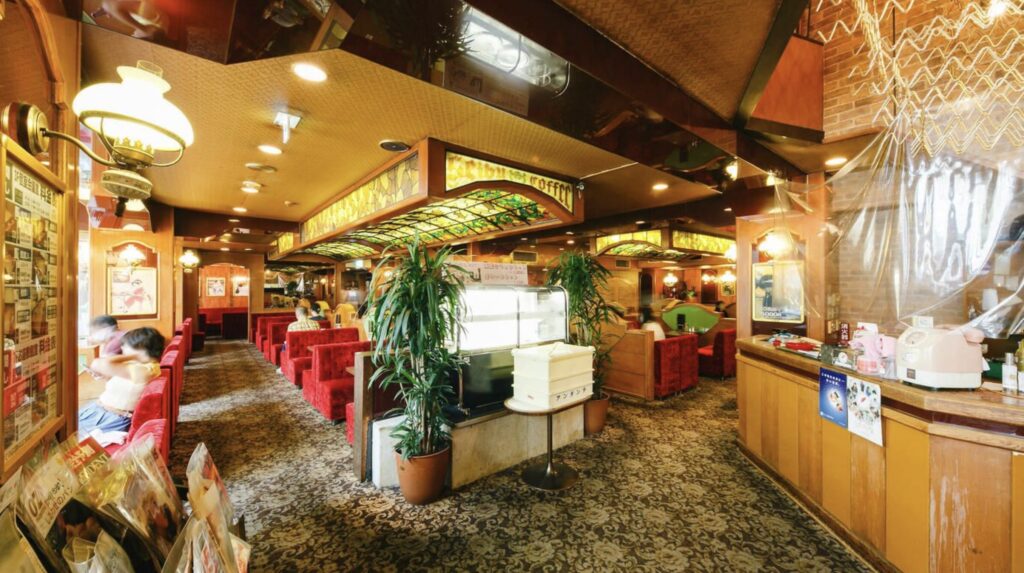
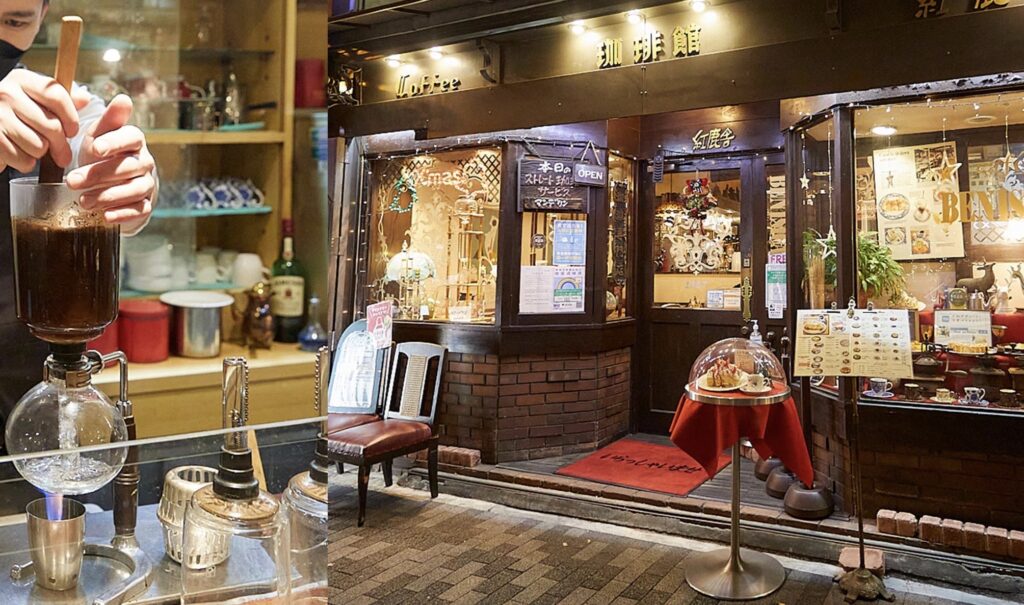
Once viewed as aging neighborhood establishments frequented primarily by retirees and office workers, kissaten are increasingly appearing on travel itineraries, social media feeds and food blogs. Visitors are drawn not only by carefully brewed coffee but also by interiors preserved from decades past, complete with wooden furnishings, stained-glass lamps, velvet chairs and the mellow sound of jazz playing through vintage speakers.
Unlike modern cafés that emphasize speed, takeaway drinks and laptop-friendly workspaces, kissaten offer an atmosphere built around slowing down. Customers often spend extended periods reading, writing or simply enjoying conversation over meticulously prepared coffee.
The resurgence reflects a broader interest in Japan’s “Showa Retro” movement, which celebrates the design, architecture and everyday lifestyle of the Showa period (1926–1989). From retro shopping streets to restored public bathhouses and classic diners, travelers are increasingly seeking experiences that evoke postwar Japan rather than contemporary city skylines.
Coffee occupies a central place in that nostalgia.
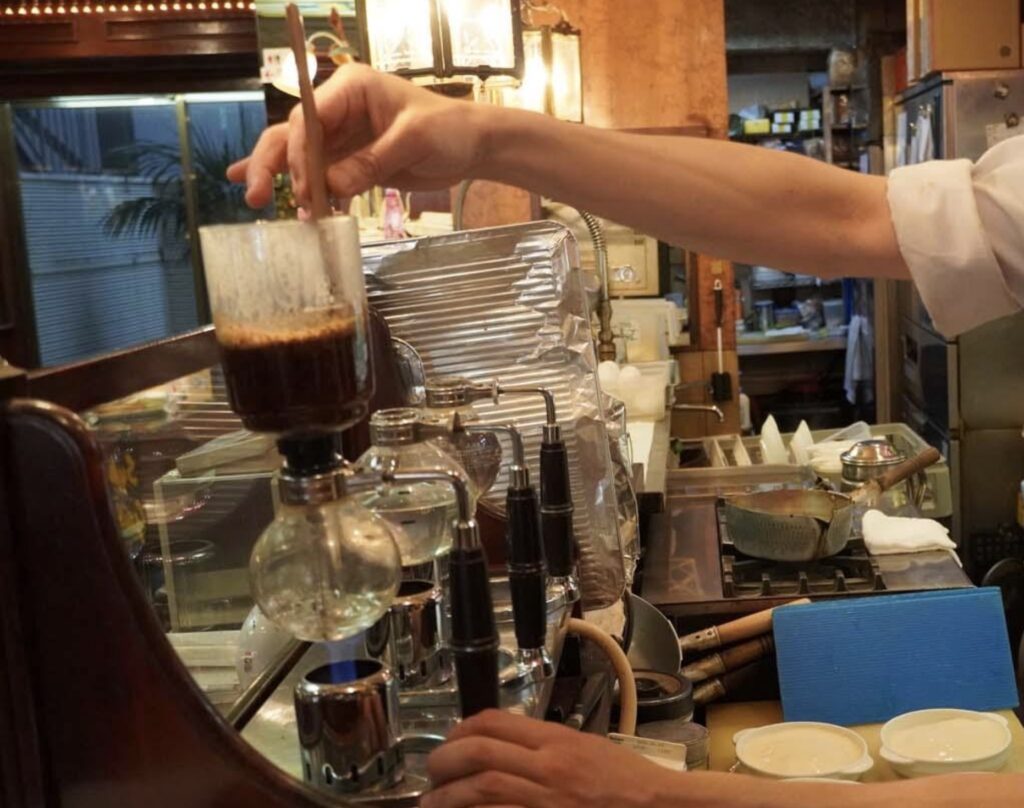
Many kissaten continue to prepare coffee using traditional methods such as cloth-filtered nel drip brewing or siphon extraction, techniques that require patience and craftsmanship. Rather than prioritizing speed, owners often view coffee preparation as a performance that reflects decades of accumulated experience.
Food has become another attraction.
Classic menu items—including thick buttered toast, egg sandwiches, curry rice, Neapolitan spaghetti and colorful cream sodas—have become social media favorites. Their simple presentation contrasts with the elaborate desserts often found in modern cafés, appealing to visitors searching for a more authentic glimpse of everyday Japanese life.
Tourism agencies have also begun highlighting kissaten as cultural destinations.
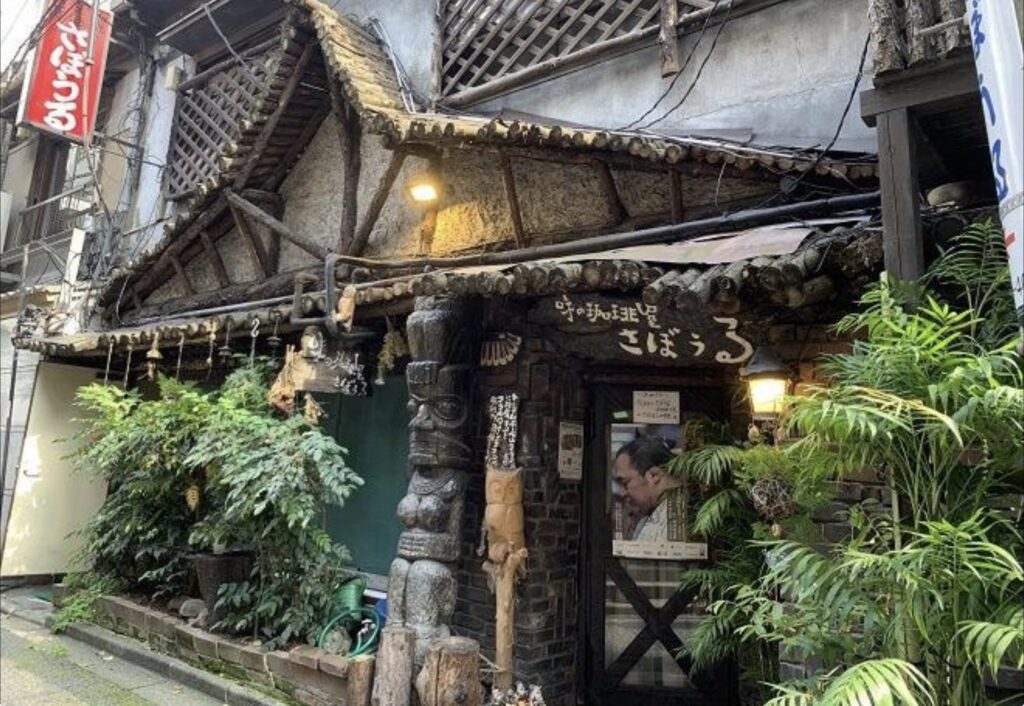
Neighborhoods such as Tokyo’s Jimbocho, Ueno, Ginza and Asakusa remain home to numerous long-established coffee houses, while Kyoto and Osaka continue to preserve cafés that have operated for generations. Many visitors now combine sightseeing with café-hopping, exploring independent establishments alongside temples, museums and historic shopping districts.
Industry observers say international tourism has helped introduce younger audiences to businesses that previously relied almost entirely on local customers.
Social media platforms have accelerated the trend. Photos of vintage interiors, handcrafted coffee and brightly colored cream sodas regularly circulate online, inspiring travelers to seek out cafés that have changed little over the past several decades. Unlike modern franchises that often share standardized designs worldwide, each kissaten maintains its own distinctive identity shaped by its owner and local community.
The revival has also benefited Japan’s growing appreciation for artisanal coffee.
Although specialty coffee shops continue expanding throughout the country, many consumers now view kissaten as complementary rather than competing businesses. Specialty cafés emphasize innovation, single-origin beans and modern roasting techniques, while kissaten focus on tradition, consistency and hospitality developed over generations.
Owners say preserving these establishments presents unique challenges.
Many family-run coffee houses face aging proprietors and uncertain succession plans, while rising operating costs continue to pressure small independent businesses. Nevertheless, increased interest from younger customers and overseas visitors has provided new opportunities for cafés that once feared declining patronage.
Local governments and tourism organizations have also recognized the cultural significance of these establishments.
Several municipalities now include historic coffee houses in walking tours and regional tourism campaigns, promoting them as examples of Japan’s living cultural heritage rather than simply places to purchase coffee.
Travel experts note that the appeal of kissaten extends beyond food and beverages.
For many international visitors, these cafés offer an opportunity to experience a quieter side of Japan rarely portrayed in popular travel guides. The absence of hurried service, combined with carefully preserved interiors and traditional hospitality, creates an environment that encourages visitors to slow their pace and appreciate everyday life.
As Japan continues welcoming record numbers of overseas travelers, kissaten have emerged as unlikely ambassadors of the country’s cultural identity.
Their renewed popularity suggests that in an era dominated by digital convenience and rapidly changing consumer trends, experiences built on craftsmanship, nostalgia and human connection continue to resonate with travelers from around the world.
Rather than disappearing into history, Japan’s traditional coffee houses are finding a new generation of admirers—one carefully brewed cup at a time.
SOPHIA KIM
US ASIA JOURNAL

