


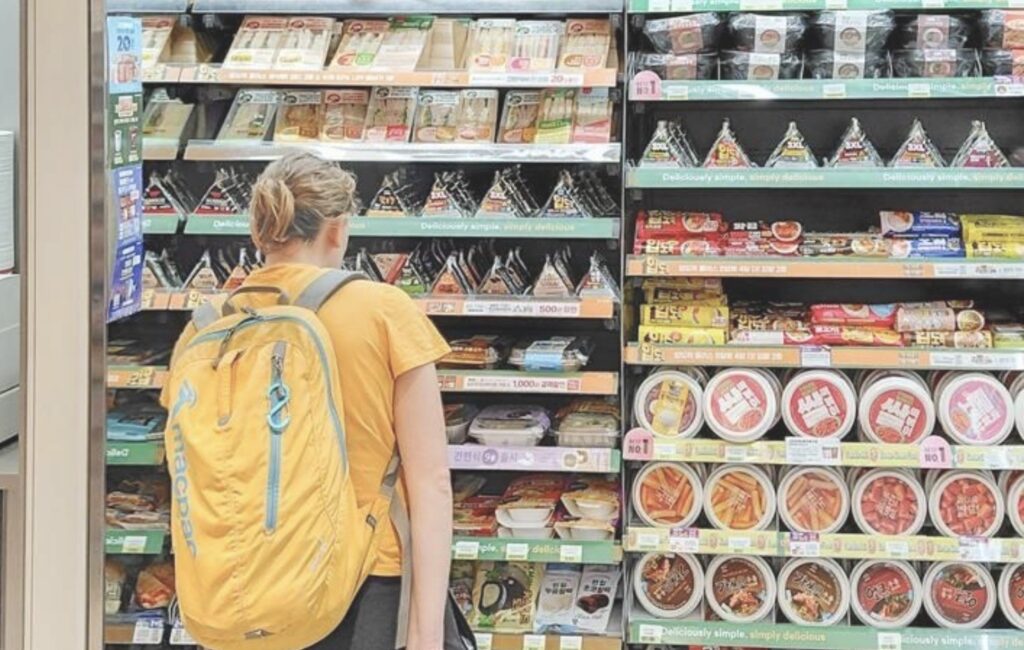
South Korea’s convenience stores are emerging as unexpected tourist attractions, reflecting the country’s growing influence on global food culture and consumer trends as international visitors seek experiences beyond traditional sightseeing.
Once regarded simply as neighborhood retailers, convenience store chains have become an increasingly recognizable part of the travel experience for visitors exploring Seoul and other major cities. Industry observers say the shift reflects changing tourism preferences, with travelers placing greater value on authentic everyday experiences alongside famous landmarks.
Major convenience store operators, including CU, GS25, 7-Eleven Korea and Emart24, have expanded food offerings and in-store services in recent years, transforming stores into destinations where visitors can sample Korean snacks, ready-to-eat meals and seasonal products at relatively affordable prices.
Social media has played a significant role in accelerating the trend. Travel videos featuring ramen cooking stations, ice cream selections, packaged desserts and limited-edition beverages regularly attract millions of views, encouraging international visitors to include convenience store visits in their travel itineraries before arriving in Korea.
Retail analysts note that convenience stores have become effective showcases for Korean consumer culture. Unlike traditional supermarkets, the smaller-format stores introduce travelers to locally developed products that are frequently updated to reflect seasonal ingredients, regional flavors and collaborations with entertainment brands.
The growing popularity of Korean popular culture has further strengthened interest in the sector. Visitors influenced by Korean television dramas, films and online creators often recognize products featured in entertainment content, creating additional demand for food and beverages associated with everyday life in Korea.
Operators have responded by increasing multilingual services, improving digital payment systems and expanding product information aimed at foreign customers. Some stores located in major tourist districts also stock travel essentials, cosmetics and locally themed souvenirs alongside food products, broadening their appeal beyond convenience shopping.
Limited-time product launches have become another important driver of customer traffic. Beverage collaborations, character-themed merchandise and seasonal desserts encourage repeat visits from both domestic consumers and tourists seeking exclusive items unavailable outside Korea.
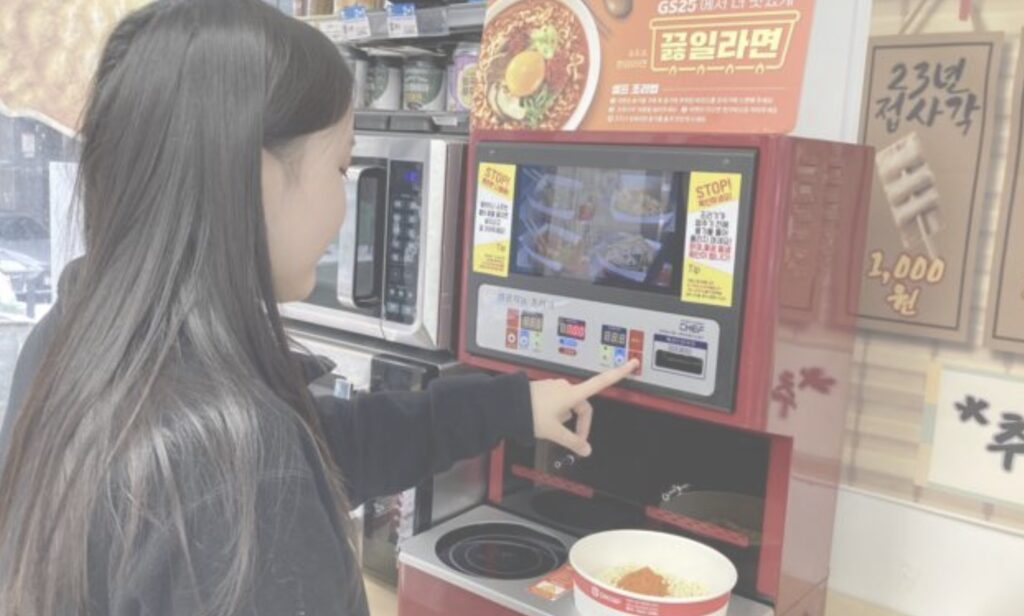
The trend has also benefited local food manufacturers, many of which use convenience stores as launch platforms for new products before expanding distribution through supermarkets or overseas retailers. Industry executives say the rapid product cycle allows companies to respond quickly to changing consumer preferences while testing market demand.
As international tourism continues to recover, convenience stores are increasingly viewed as part of Korea’s broader tourism ecosystem rather than simply retail outlets. Their accessibility, extended operating hours and constantly changing product selections make them attractive destinations for travelers interested in experiencing contemporary Korean lifestyles.
Economists note that while convenience stores remain a relatively small component of overall tourism spending, they contribute to the country’s consumer economy by promoting local food brands, encouraging repeat purchases and strengthening Korea’s image as a destination where everyday culture is as appealing as its historical and cultural landmarks.
For retailers, the growing interest from international visitors highlights an important shift in global travel behavior. Increasingly, tourists are seeking ordinary local experiences that offer a deeper understanding of daily life, placing convenience stores alongside cafés, neighborhood markets and bakeries as essential stops during a visit to South Korea.
SOPHIA KIM
US ASIA JOURNAL

