


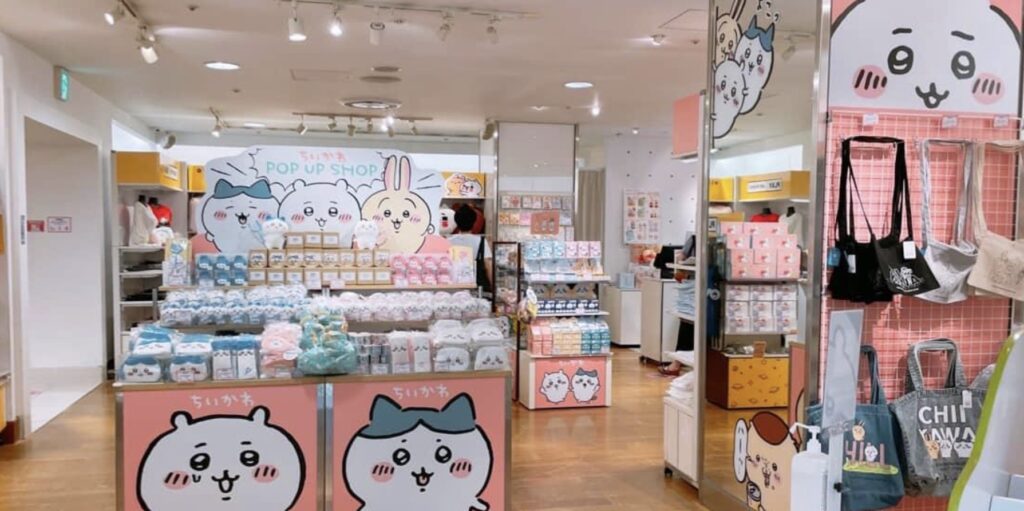
Japan’s character business is evolving into one of the country’s most influential consumer industries, extending far beyond animation and comics as globally recognized intellectual properties reshape tourism, retail and lifestyle markets.
Once viewed primarily as entertainment aimed at children and animation fans, Japanese character brands have become commercial assets spanning fashion, food, travel, financial services and international licensing. Industry observers say the sector now represents a broader cultural economy in which fictional characters serve as long-term consumer brands rather than short-term media products.
Companies are increasingly building business strategies around intellectual property instead of relying solely on television series or film releases. Character-driven marketing has become a central part of product development, allowing businesses to collaborate across industries while maintaining strong consumer recognition.
Sanrio continues expanding the global presence of Hello Kitty and its growing portfolio of characters through international licensing agreements, themed retail stores and collaboration projects with fashion, cosmetics and lifestyle brands. Pokémon remains one of the world’s most valuable entertainment franchises, generating demand through video games, trading cards, live events and tourism initiatives.
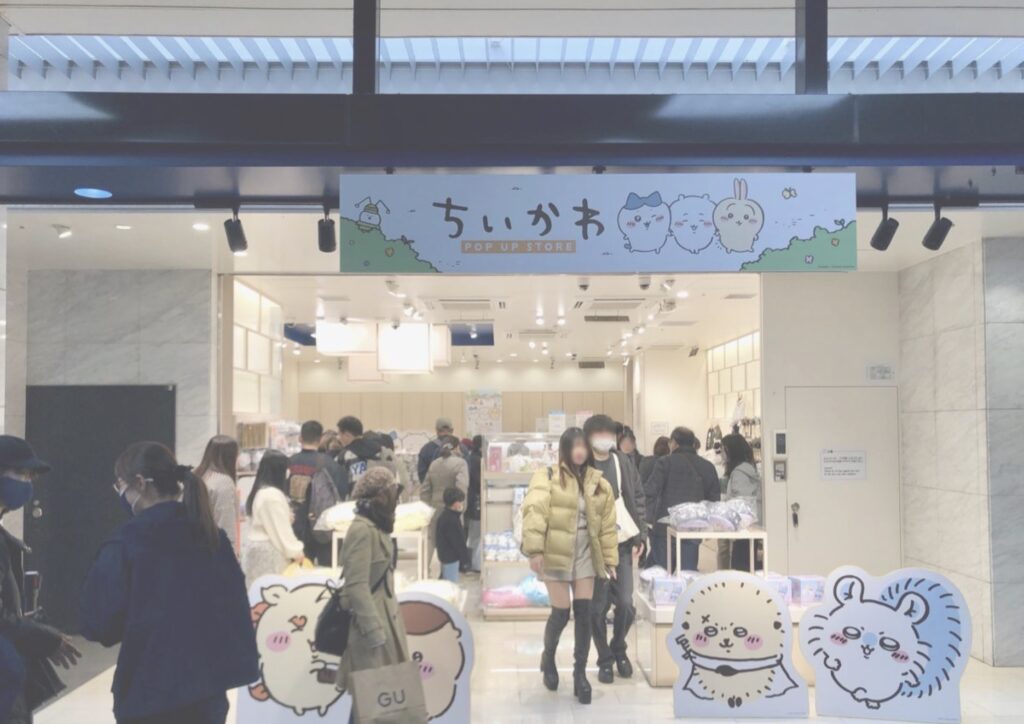
More recently, Chiikawa has emerged as one of Japan’s fastest-growing character brands. Originally introduced through online illustrations and short-form storytelling, the franchise has rapidly expanded into merchandise, cafés, exhibitions and limited-edition collaborations, attracting both younger consumers and adult collectors. Retail analysts say its success demonstrates how digital-first intellectual properties can quickly develop into nationwide commercial brands.
The popularity of Japanese characters has also strengthened tourism. International visitors increasingly include character-themed destinations, cafés, exhibitions and branded shopping districts in their travel itineraries. Seasonal pop-up events and exclusive merchandise encourage repeat visits, creating additional revenue for retailers and local businesses.
Outside Japan, demand continues to grow through partnerships with global retailers and entertainment companies. Character products are now widely available across North America, Europe and other parts of Asia, reflecting broader international interest in Japanese popular culture. Licensing specialists note that overseas revenue has become an increasingly important source of long-term growth for many intellectual property owners.
The industry’s expansion has coincided with changing consumer preferences. Younger audiences increasingly value collectibles, limited-edition merchandise and experiential retail over conventional advertising, encouraging companies to develop immersive shopping experiences rather than simply selling products. Character cafés, themed exhibitions and interactive pop-up stores have become common features in major commercial districts.
Digital platforms have further accelerated global exposure. Social media, online shopping and streaming services allow character brands to reach international audiences more quickly than traditional media channels, while collaborations with global fashion labels and consumer brands continue introducing Japanese intellectual property to new markets.
Industry analysts believe the character economy will remain an important pillar of Japan’s consumer sector as businesses place greater emphasis on intellectual property development. Rather than depending solely on entertainment content, companies are increasingly monetizing characters through diversified licensing strategies capable of generating revenue across multiple industries over extended periods.
For investors, the sector illustrates how cultural assets can evolve into durable commercial businesses. As global demand for Japanese popular culture continues to expand, the country’s character economy is increasingly viewed not simply as entertainment, but as a strategic export industry that combines creativity, branding and international consumer engagement.
SOPHIA KIM
US ASIA JOURNAL

