


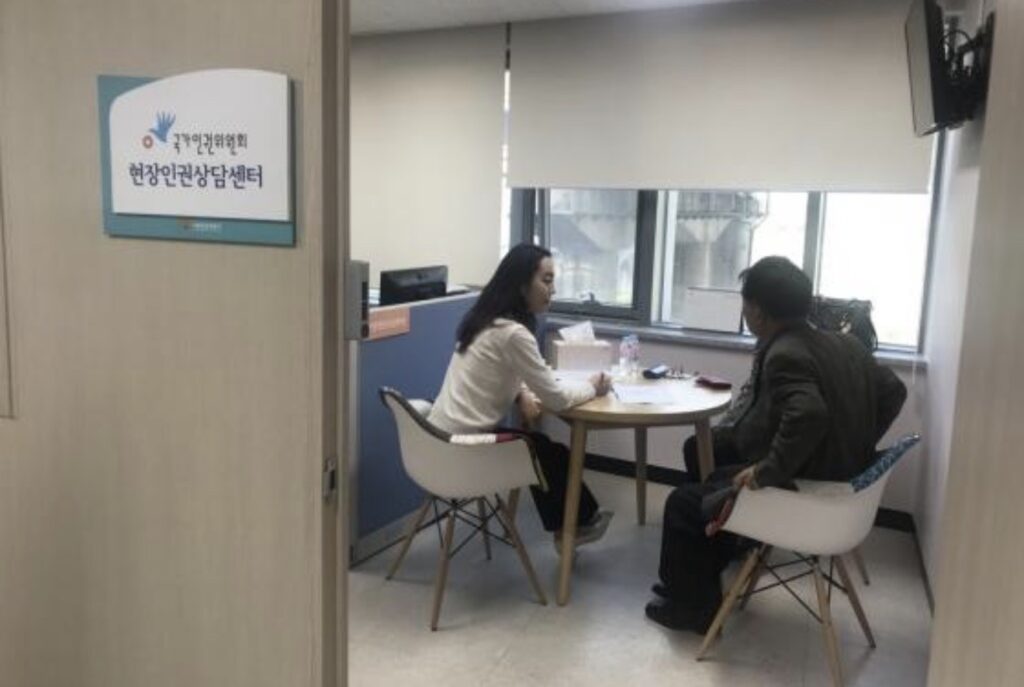
South Korea is strengthening its support system for crime victims as the government moves to address a problem that can continue long after a crime has ended: severe psychological distress and the risk of suicide.
The government announced a new nationwide prevention plan on Sept. 8 aimed at identifying suicide risks among crime victims earlier and connecting them with psychological, legal and social support.
The plan brings together the Ministry of Justice, the Ministry of Health and Welfare, the Ministry of Gender Equality and Family, the National Police Agency and the Korea Coast Guard.
The government said crime victims can face not only the trauma of the original crime but also prolonged stress during investigations and trials, financial difficulties and secondary victimization.
Yet South Korea has lacked comprehensive data on suicide among crime victims and the factors that may increase their risk.
The new policy will begin by improving the collection and analysis of information on suicide among crime victims.
Authorities also plan to establish an integrated support system linking police, victim support centers and the Korea Legal Aid Corporation.
The aim is to make support available earlier instead of waiting until a victim’s situation becomes critical.
Police officers will be encouraged to assess psychological difficulties when victims are first interviewed.
If necessary, victims can be connected with emergency psychological counseling and specialized services when signs of suicide risk are identified.
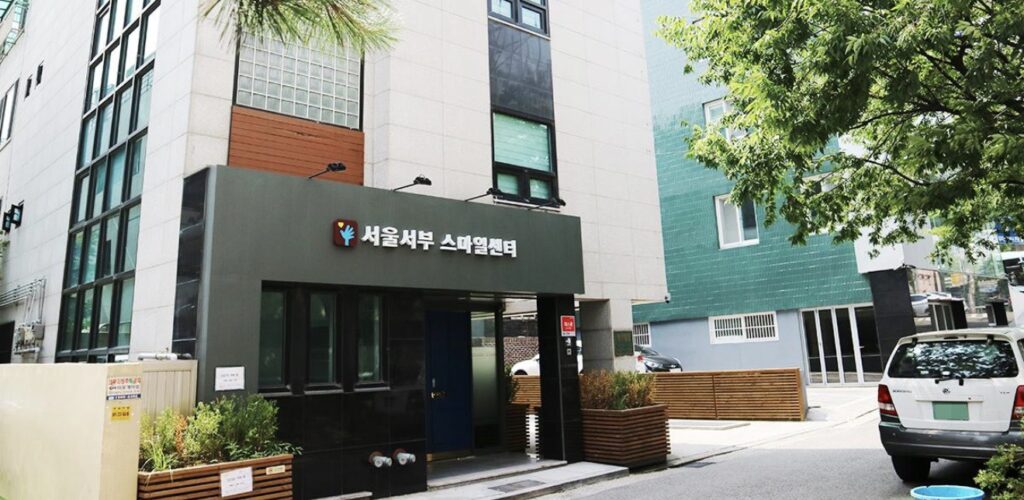
The government also plans to expand access to counseling outside normal working hours.
Smile Centers, which provide psychological treatment and recovery programs for victims of serious crimes, will offer nighttime and weekend counseling as well as mobile services that can reach victims who have difficulty visiting a center.
The measures also recognize that the needs of victims extend beyond mental health.
Legal uncertainty can add to the stress of a criminal case, particularly when victims do not know what is happening to the suspect or how the investigation is progressing.
Under the new system, victims will receive more information about important developments in criminal proceedings, including the release or discharge of offenders.
The government also plans to strengthen victims’ ability to participate in legal procedures and improve measures designed to prevent secondary victimization.
Legal support is another major component.
South Korea plans to increase the number of dedicated public defenders available to victims, particularly in serious criminal cases.
The goal is to help victims better understand legal procedures and protect their rights during investigations and trials.
The new approach also covers victims of economic crimes.
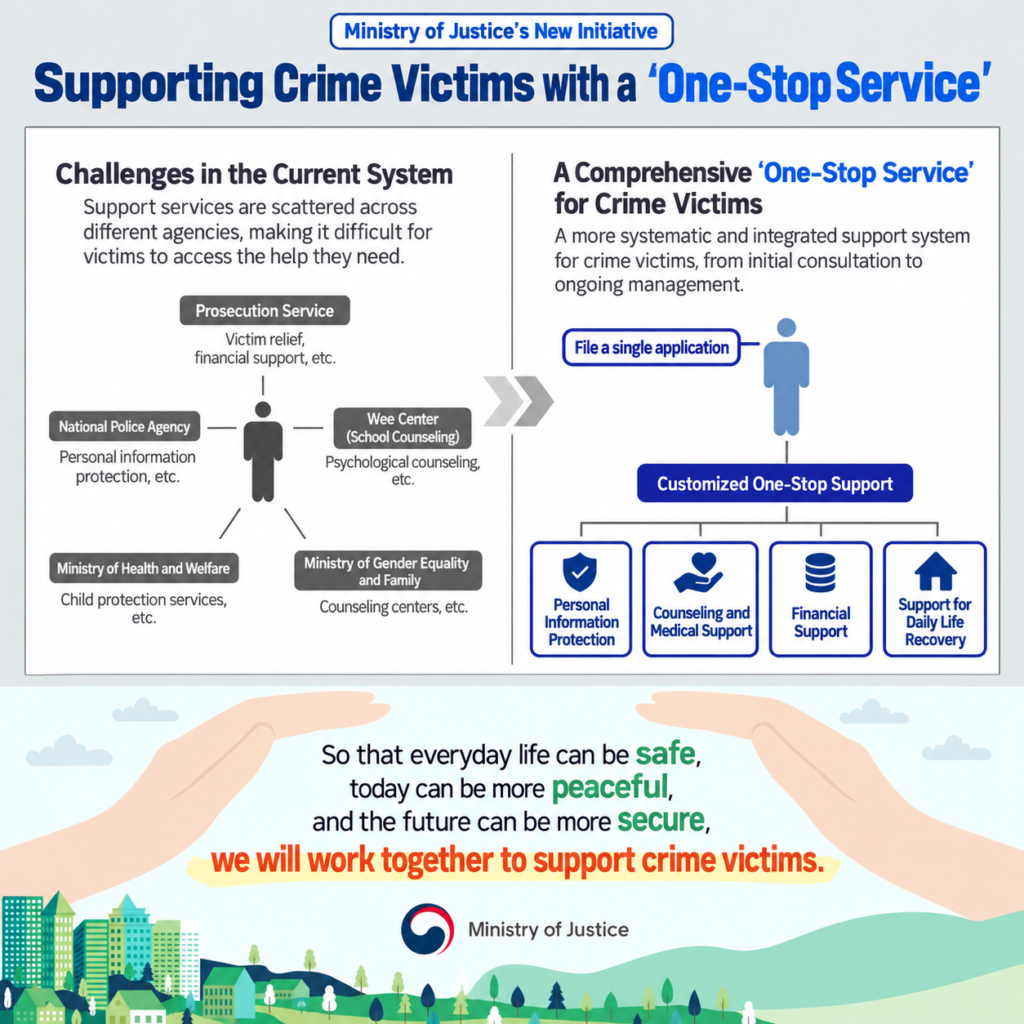
People affected by fraud and voice-phishing schemes can face financial losses in addition to psychological stress.
Under the new measures, victims of economic crimes will be able to receive assistance with personal rehabilitation and bankruptcy through the Korea Legal Aid Corporation, while also being connected with suicide prevention and psychological counseling services.
This reflects a growing recognition that financial damage can have consequences extending far beyond the initial loss of money.
For some victims, debt, shame and uncertainty can compound the psychological impact of the crime.
The government is also developing more targeted support for vulnerable groups.
Additional measures will address victims of child abuse, elder abuse and crimes against people with disabilities.
Authorities plan to identify high-risk individuals and strengthen follow-up support after cases have been reported.
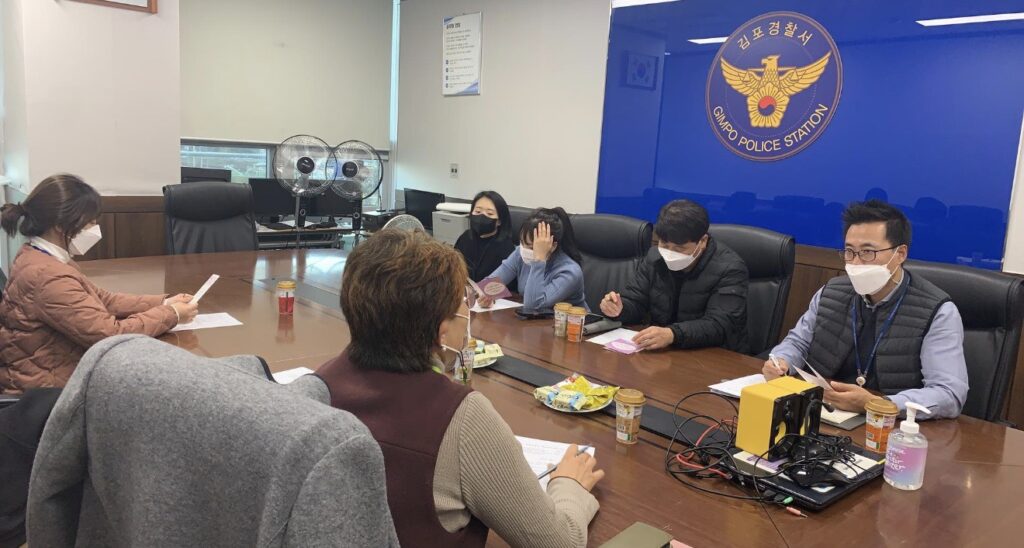
The police and Korea Coast Guard will focus on early identification of suicide risks and faster connections to professional services.
Police investigators will also receive additional training aimed at reducing the possibility of secondary harm during the investigative process.
The Ministry of Gender Equality and Family will strengthen support for victims of gender-based violence and develop recommendations concerning media coverage to reduce further harm.
The policy represents a shift in how South Korea approaches crime victims.
Traditionally, much of the criminal justice system has focused on investigating offenders and determining responsibility.
The new approach places greater emphasis on what happens to victims afterward.
That distinction is important because the consequences of a crime do not necessarily end when an investigation is completed or a court reaches a decision.
Victims may continue to experience anxiety, financial problems, social isolation and difficulties returning to everyday life.
For families who lose a loved one to violent crime, the consequences can be particularly long-lasting.
The government plans to introduce recovery programs for families of murder victims, combining psychological support with programs designed to rebuild social connections.
The measures will be introduced in stages, with immediate actions implemented first and longer-term programs developed through cooperation among government agencies.
The government also plans to examine the effectiveness of the measures and improve its understanding of the relationship between crime victimization and suicide risk.

For South Korea, the challenge is creating a system that can identify people in crisis without placing additional burdens on victims.
Early intervention will therefore depend not only on government programs but also on police officers, counselors, legal professionals and support organizations recognizing warning signs and responding quickly.
The broader goal is to ensure that victims do not have to navigate the aftermath of a crime alone.
South Korea’s new approach recognizes that protecting crime victims means more than investigating offenders — it also means helping victims recover psychologically, financially and socially after the crime is over.
SAM
US ASIA JOURNAL

