


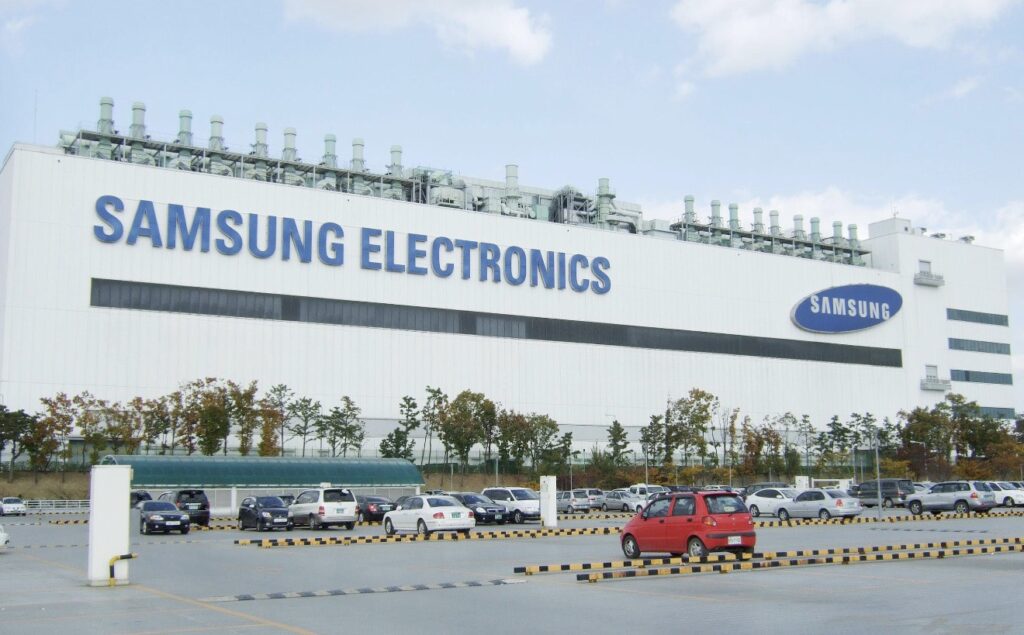
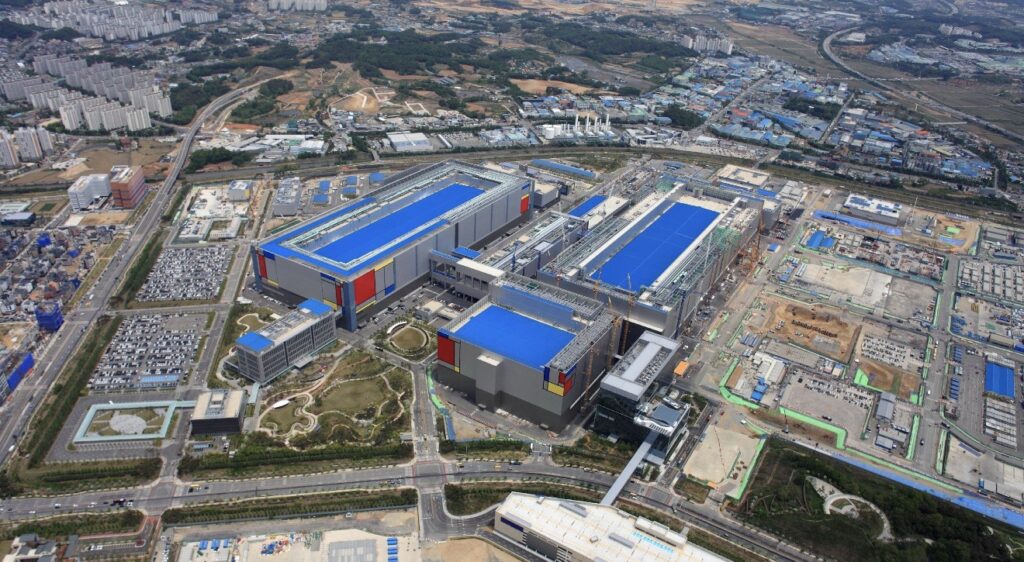
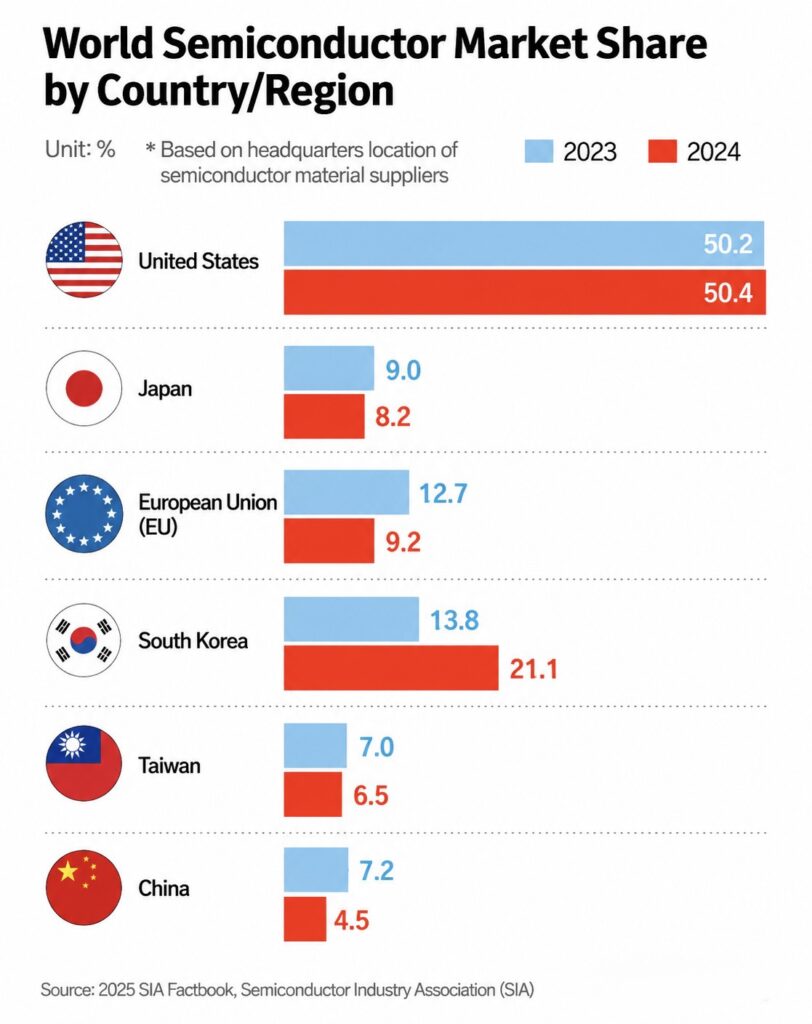
South Korea accounts for about 20% of the world’s semiconductor production capacity and, together with China and Taiwan, serves as a key semiconductor manufacturing hub in the global semiconductor supply chain. In addition, Korea offers a geographic advantage, providing an optimal investment environment not only for Korean companies but also for companies seeking to enter the East Asian semiconductor market.Through such large-scale semiconductor manufacturing facilities, Korea has become the most active country in the world in terms of investment in semiconductor equipment, and has created a massive market for semiconductor equipment and materials. As of 2024, this accounts for 17.4% of the global market, forming the semiconductor equipment market, while semiconductor materials also hold a significant 16.6% market share. Among this, China’s equipment and materials market reflects the total amount of capital investment by Samsung Electronics and SK Hynix, which are based in China, so Korea’s semiconductor equipment and materials market can be considered even larger. For companies that produce materials for semiconductor equipment, Korea and Korean companies can be places that offer great opportunities.
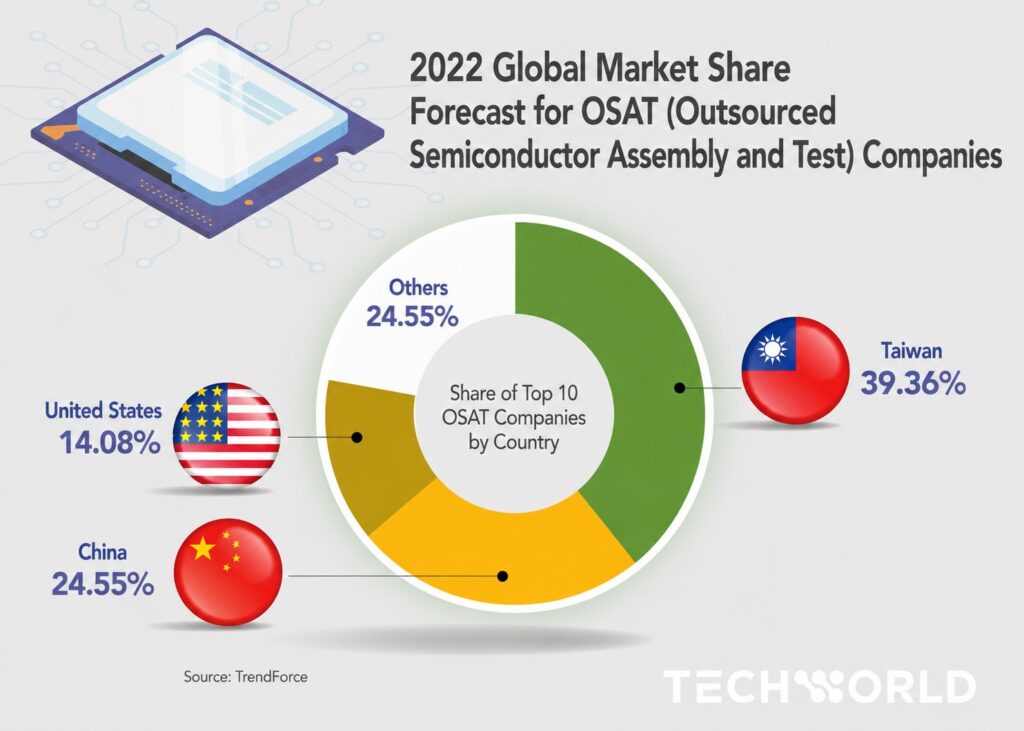
The backend process segment of the semiconductor industry refers to the OSAT (On-System Assembly and Test Automation) service market, which is responsible for packaging and testing after chip design and manufacturing, and plays a key role in the global semiconductor supply chain.Many global companies in the materials, parts, and equipment sectors—based on Korea’s core industry of semiconductors—are entering the Korean market. Ram Research, a U.S. company specializing in semiconductor etching and deposition equipment, has seen steady growth in domestic production since establishing Ram Research Manufacturing Korea in 2011.
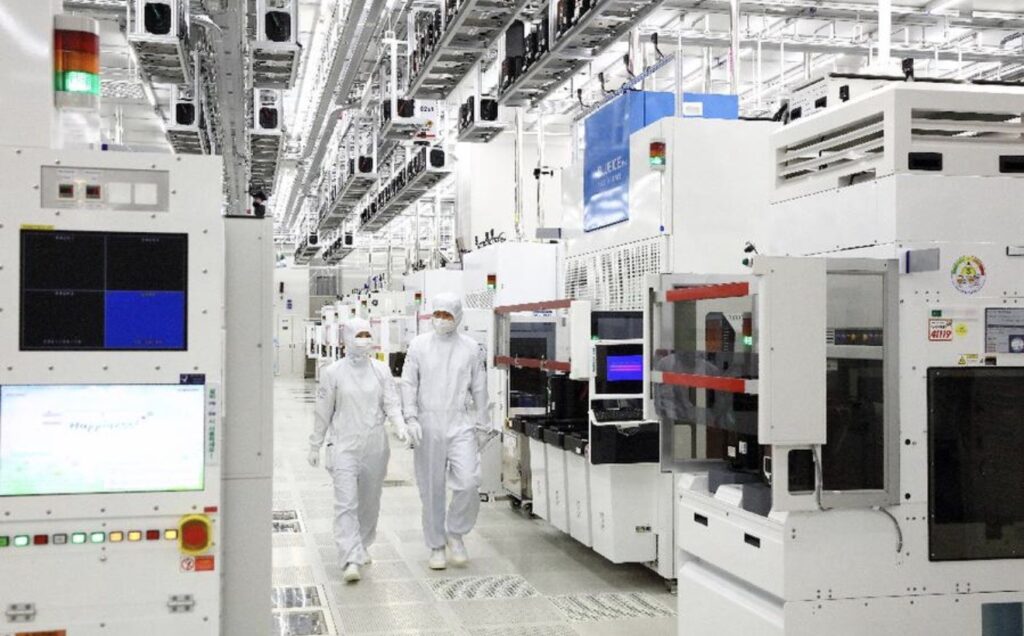
In 2021, it began operations at a newly built 5,170 square meter factory in Hwaseong, Gyeonggi Province, and opened the Yongin campus in 2024. This is Lam Research’s largest R&D center in Korea, serving as a forward base for research, technical training, and customer collaboration. In addition, ASML, the exclusive supplier of advanced EUV lithography equipment, is building an advanced EUV cluster in Hwaseong, and semiconductor materials companies such as Tokyo Ohka, DuPont, Merck, and Albac are increasing their investments in domestic production. In addition, many Korean material, parts, and equipment companies are engaged in R&D projects for each semiconductor process and are carrying out various collaborative projects with global companies that have entered the Korean market.The South Korean government has a strong determination to foster not only memory semiconductors but also system semiconductors through laws such as the K-Chip Act and the Semiconductor Mega Cluster Act, and to realize a comprehensive semiconductor powerhouse.It is being carried out with the goal of building a world-class semiconductor supply chain.
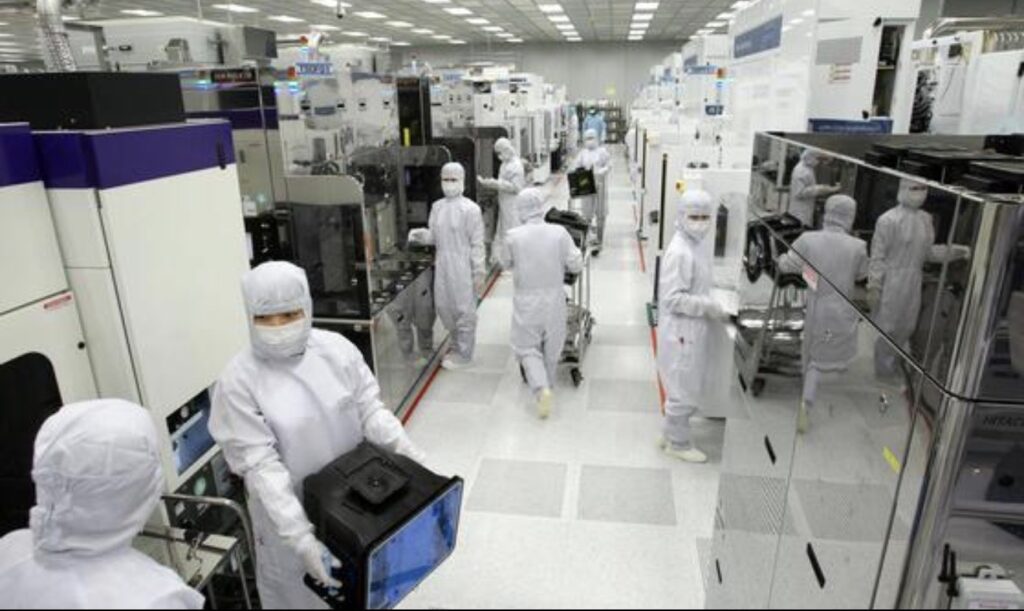
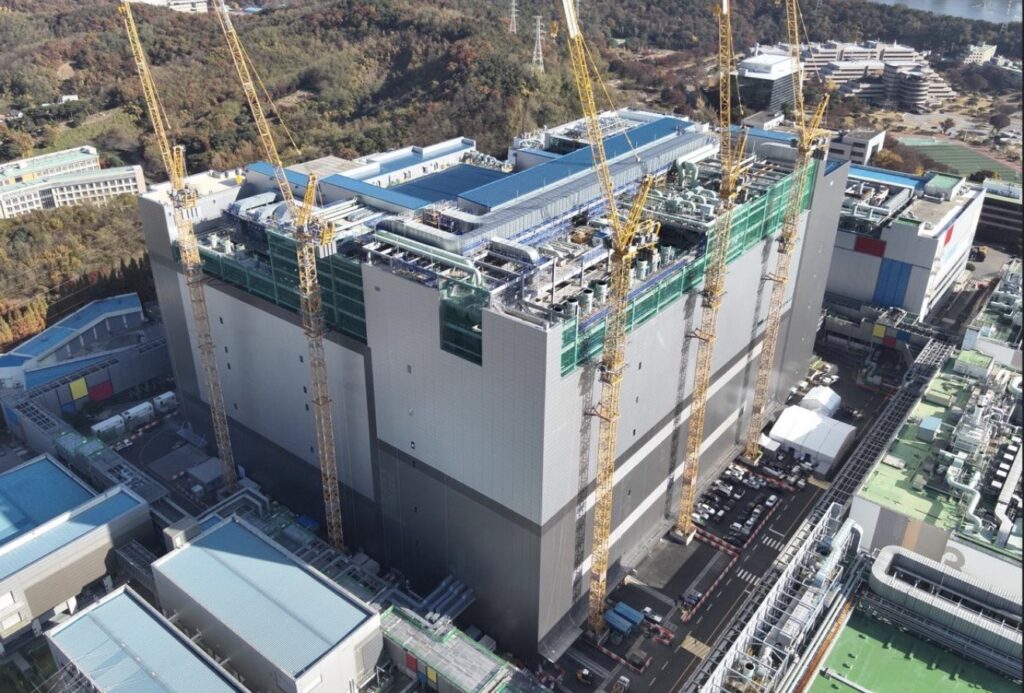
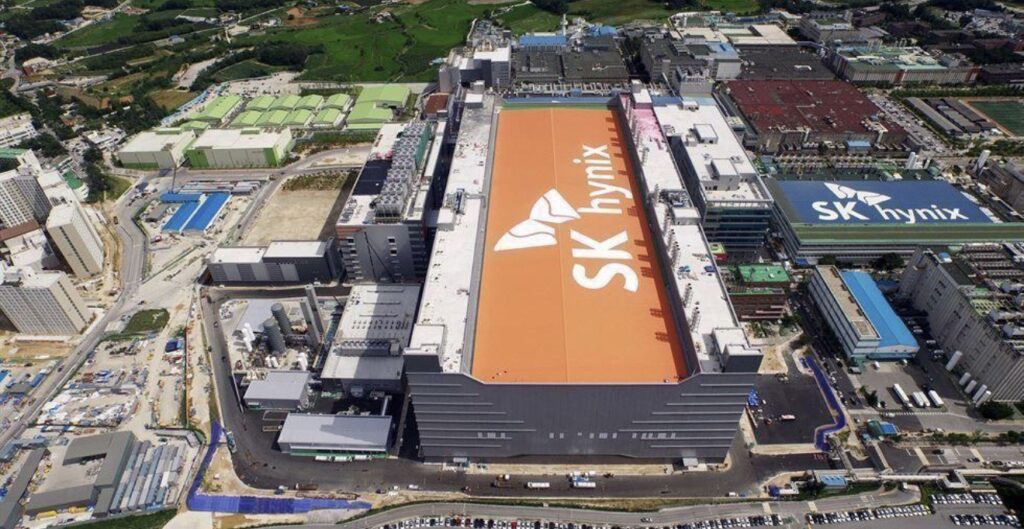
The semiconductor post-processing production line is a process flow in which wafers completed in the front-end process are cut into individual chips, then packaged and tested to become finished products.Recently, due to the limitations of miniaturizing front-end processes, differentiating performance and reliability in back-end processes such as packaging and inspection is becoming increasingly important, and in the global OSAT market, Taiwanese and Chinese companies are showing strong market shares.In response, Samsung, SK, TSMC, and others are also competing for market share, and are pushing to expand production lines to secure it. Korean construction companies are participating in expansion both overseas and domestically. So I’m thinking of looking into a few companies.
Looking at Dongbu Construction, which is currently expanding its global finishing business, it is a general construction company with a long history. More than 50 percent of the management and governance are held by a private equity firm called Keystone EcoPrime. A private equity fund is a company that invests in a company’s restructuring and rehabilitation. He is also the owner of a company called MK Electronics, which is related to semiconductor packaging. As of 2025, total revenue is $2 million, operating profit is about 550,000, and it controls a much larger company.
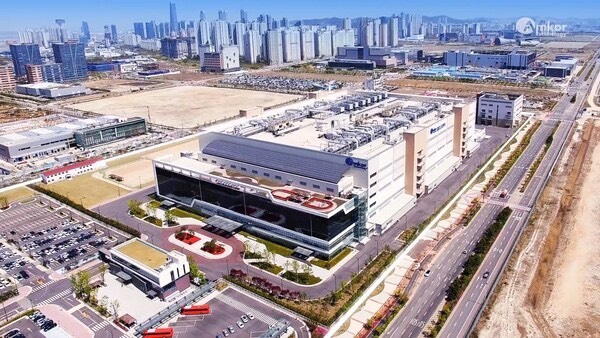
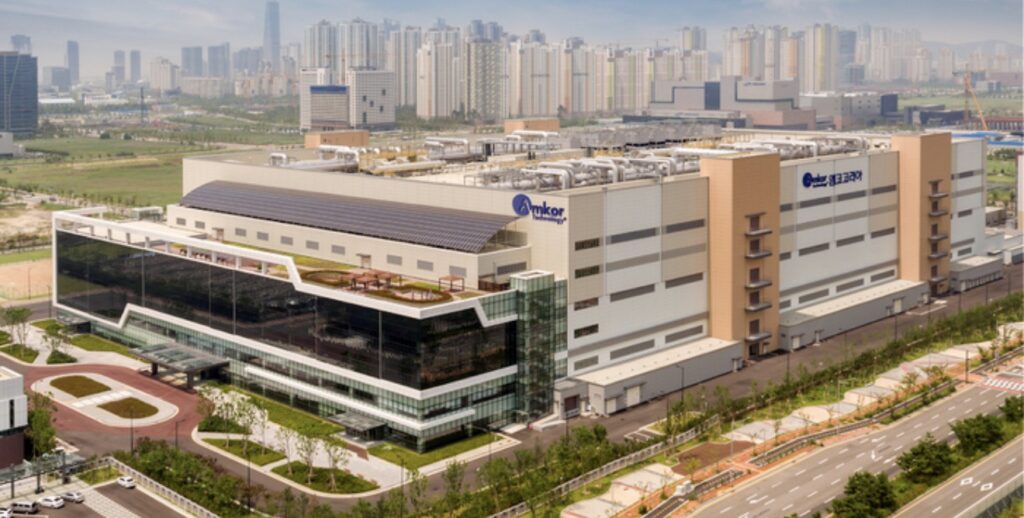
The value of the ongoing construction project has also surpassed about 100 million dollars, raising concerns about whether it can be properly carried out.Dongbu Construction had construction experience related to Dongbu High-Tech from the late 1990s to the early 2000s, but since 2020 it has mainly focused on housing and general buildings as its core business. In the industrial plant sector, TFT was launched in 2021 as a newly established division, and despite accumulating new experience over about five years, it appears to be severely lacking in organizational management and experience in the production quality process field of semiconductors (memory and system semiconductors), which is changing rapidly. In addition, because it has secured many industrial equipment orders by leveraging its recent price competitiveness, it will become difficult to address challenges related to labor shortages and securing skilled and technical personnel. The expansion of finishing plants and the newly established plants in the Jeolla region are projects that must be carried out using a rapid construction method, with design and construction proceeding simultaneously. In other words, even compared to SGC Construction, which has its own dedicated engineering department, Dongbu Construction must rely on an external design firm, so the construction of this Jeolla (Gwangju) project must be closely monitored to gauge on what criteria the bid results will be determined.
SAM KIM
US ASIA JOURNAL