


For decades, the traditional American convenience store has been largely synonymous with gas stations, packaged snacks, and lukewarm coffee. However, a dramatically different model from East Asia is now capturing the attention of global food enthusiasts and reshaping retail expectations.
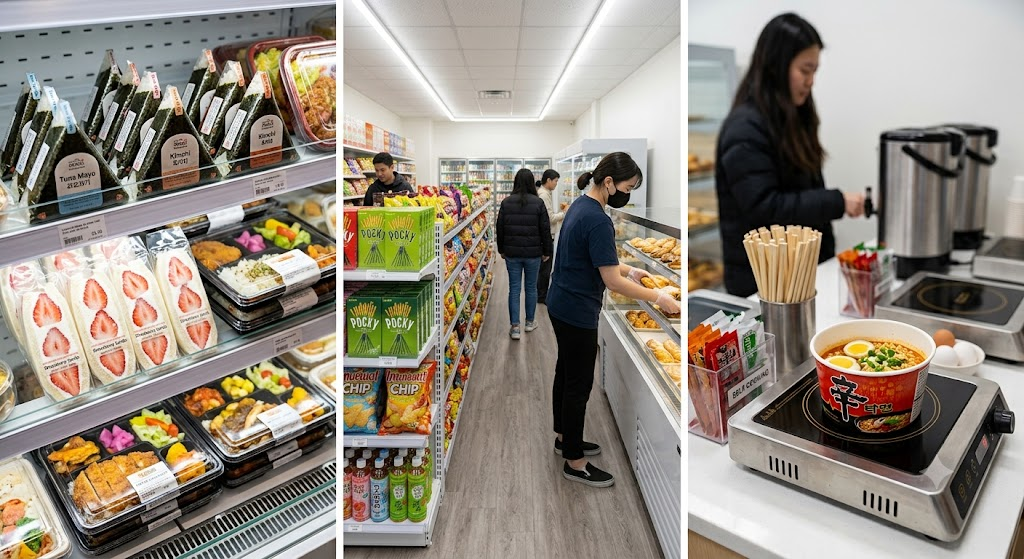
In cities like Seoul, Tokyo, and Taipei, the convenience store—often referred to locally as the “conbini” or “K-mart”—is a legitimate culinary destination. These brightly lit, 24-hour hubs offer an astonishing array of fresh, high-quality meals that rival traditional restaurants.
Customers can find everything from seasonal strawberry sandwiches and freshly rolled sushi to steaming bowls of ramen that can be cooked instantly on customized induction stoves right inside the store.
The phenomenon has recently exploded on Western social media. Videos of tourists navigating the pristine aisles of Asian convenience stores, assembling elaborate late-night meals, and reviewing exclusive snacks have garnered billions of views on platforms like TikTok and Instagram.
This digital exposure is translating into real-world tourism. For many young Western travelers visiting East Asia, “convenience store hopping” has become an essential itinerary item, ranked alongside visiting historical palaces or famous museums.
Industry analysts point out that the success of the Asian model relies on hyper-efficient logistics. Fresh food is delivered to stores multiple times a day, ensuring that bento boxes, rice triangles, and baked goods maintain a standard of quality rarely seen in Western fast-food equivalents.
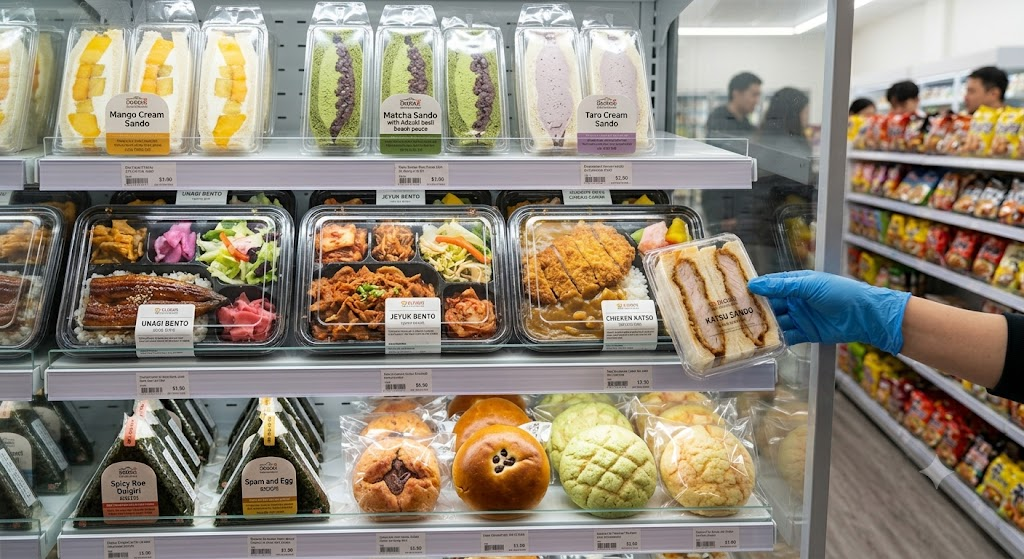
The stores also serve as vital community hubs. They function as “third spaces” where students study, office workers take quick breaks, and friends gather at outdoor patio tables to socialize over affordable drinks.
Now, this elevated convenience culture is beginning to cross the Pacific. Asian retail chains are aggressively expanding their footprints in the United States, targeting urban centers and university towns where young consumers are eager for quick, high-quality, and diverse food options.
Simultaneously, traditional American convenience brands are taking notes. Many are completely overhauling their food programs, introducing fresher ingredients, expanding hot food counters, and experimenting with global flavors to capture the growing demand.
Economic factors are also driving this trend. As inflation continues to push restaurant prices higher across the globe, the ability to purchase a nutritious, delicious, and culturally novel meal for under five dollars is highly appealing to younger generations.
Ultimately, the humble convenience store has evolved into one of Asia’s most effective vehicles for soft power. By exporting an affordable, everyday culinary experience, these retail spaces are bridging cultural gaps one rice ball at a time.
SOPHIA KIM
US ASIA JOURNAL

