


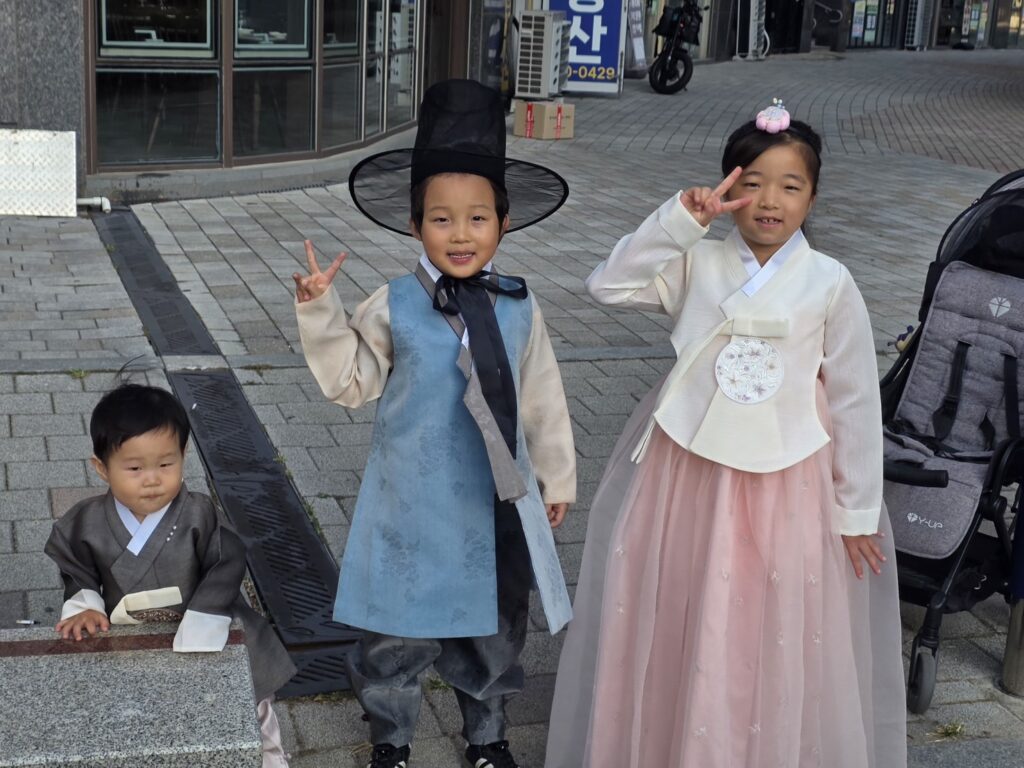
South Korea is celebrating Chuseok on Friday, with millions of people traveling to their hometowns, gathering with relatives and taking part in traditional customs during one of the country’s most important holidays.
Chuseok, often described as Korea’s harvest festival or Korean Thanksgiving, falls on the 15th day of the eighth month of the lunar calendar. In 2026, the main holiday falls on Sept. 25, with the official holiday period running from Sept. 24 through Sept. 26. The extended break continues through Sunday for many people.
The holiday is traditionally associated with family reunions, ancestral rites, seasonal food and gratitude for the year’s harvest.
For many South Koreans, however, Chuseok begins with a journey.
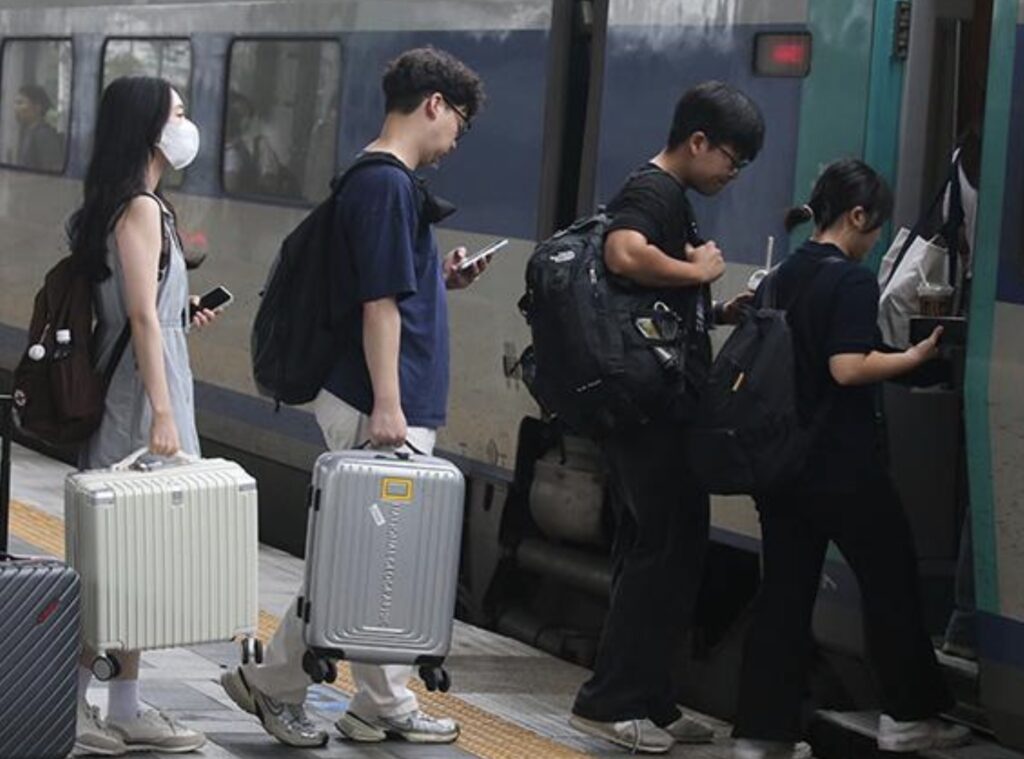
Major expressways were heavily congested on Friday as people traveled from the Seoul metropolitan area to cities and towns across the country. Travel times varied throughout the day as traffic conditions changed, with long journeys to major southern cities reflecting the scale of holiday movement.
The annual travel rush is one of the most visible features of Chuseok. Families living in different cities often return to their hometowns during the holiday, creating a nationwide movement of people that places significant pressure on highways, trains, buses and airports.
The holiday also brings changes to daily life in Seoul.
While some residents leave the capital, Seoul continues to offer cultural programs for people who remain in the city, as well as domestic and international visitors. Traditional performances, folk games, craft programs and exhibitions are being held at cultural sites across the capital during the holiday period.
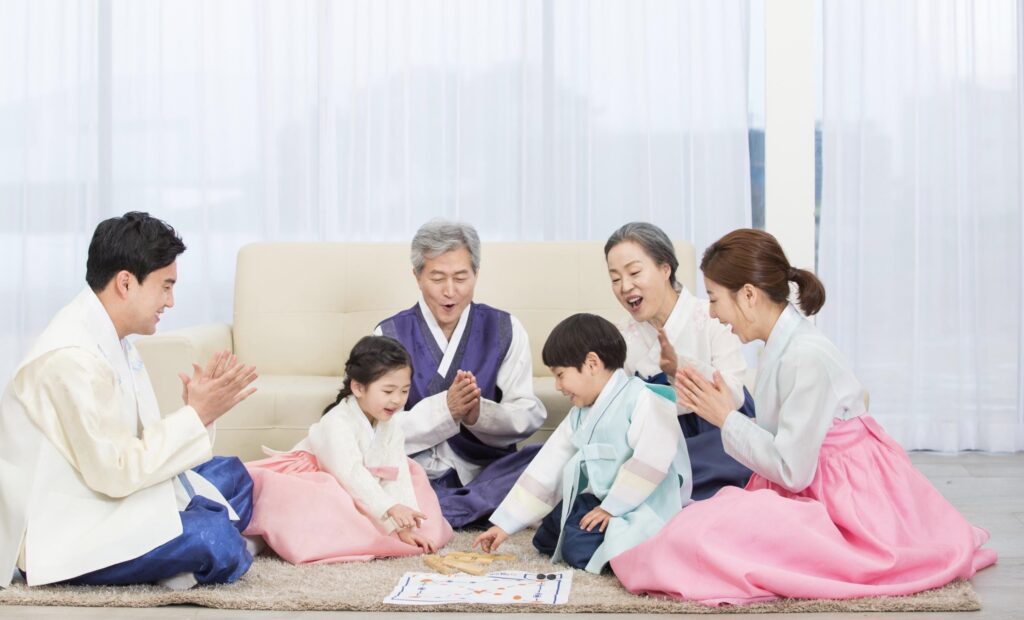
Namsangol Hanok Village is hosting a Chuseok festival from Sept. 25 through Sept. 27, featuring traditional cultural activities and performances. Other cultural facilities are also offering programs designed to introduce traditional Korean customs through hands-on experiences.
The programs reflect an increasingly visible side of Chuseok: the holiday is not only a time for family gatherings but also an opportunity to experience Korean heritage through public cultural events.
Traditional foods remain another central part of the holiday.
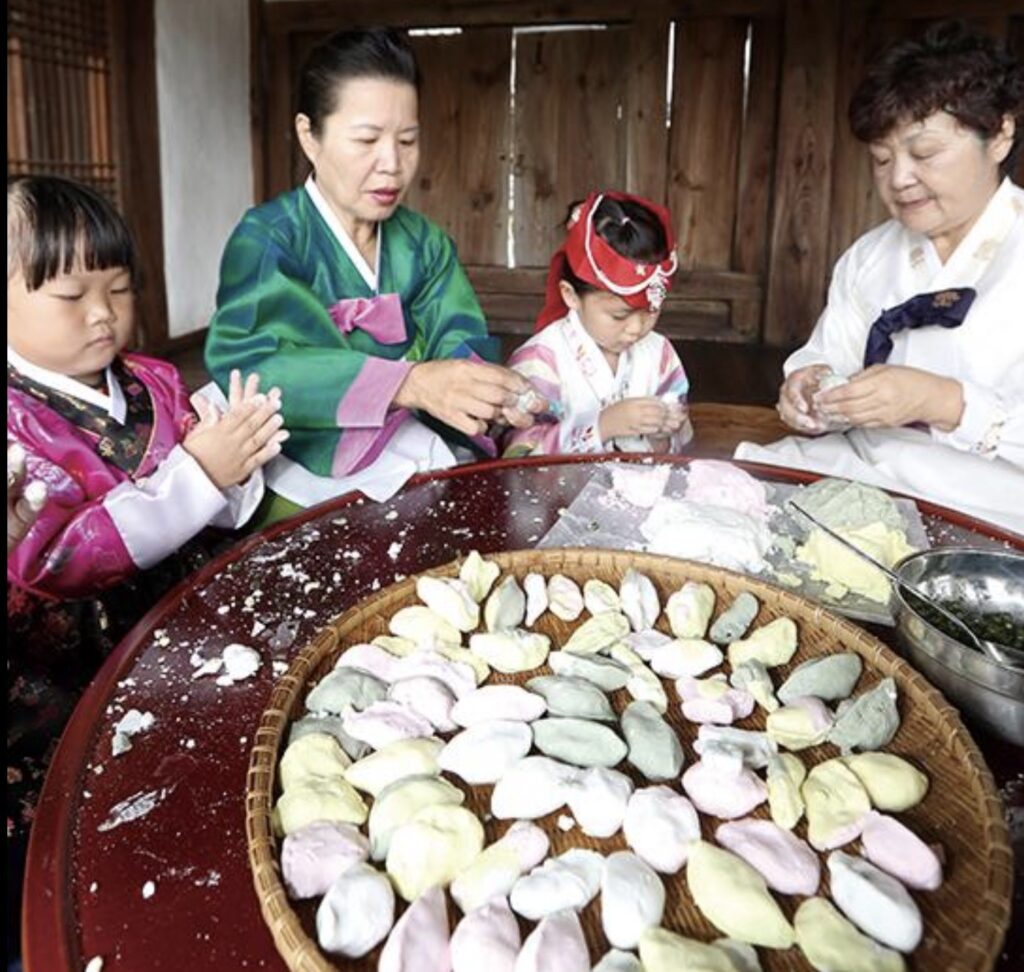
Songpyeon, a half-moon-shaped rice cake, is closely associated with Chuseok and is traditionally prepared with family members. Seasonal fruits, rice-based dishes and other foods are also commonly served during holiday gatherings.
For some families, preparing food together has become as important as the formal rituals themselves.
Charye, a traditional ancestral memorial ceremony, is another longstanding Chuseok custom. Families may prepare food and conduct memorial rites to honor previous generations. Visits to family graves are also traditionally associated with the holiday.
At the same time, the way Koreans celebrate Chuseok has changed considerably as lifestyles have become more urban and family structures have evolved.
Not every family follows traditional ceremonies, and some younger people choose shorter visits, travel with friends, spend the holiday at home or use the break for leisure activities. Others combine family gatherings with domestic travel.
This has helped turn the Chuseok period into both a major family holiday and an important travel season.
For visitors from overseas, the holiday also provides a window into Korean culture that can be difficult to experience at other times of the year.
Royal palaces, museums, hanok villages and cultural centers across Seoul are presenting traditional performances and activities during the holiday. Some programs allow visitors to try traditional games, crafts and music rather than simply observing them.
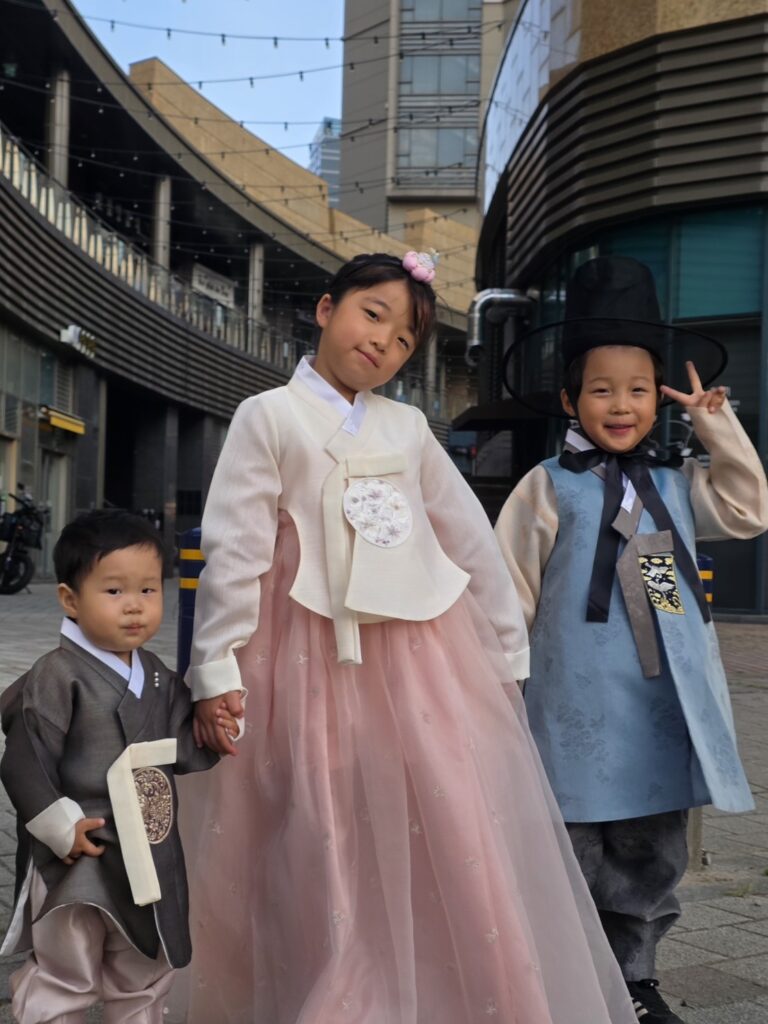
Hanbok, the traditional Korean dress, also becomes particularly visible during the holiday season. Families and visitors wearing colorful traditional clothing can be seen at cultural sites and historic neighborhoods, creating a strong visual connection between contemporary Seoul and Korea’s traditional heritage.
The holiday is also changing the rhythm of the capital.
Some businesses and services operate on reduced schedules, while major tourist areas and cultural attractions continue to welcome visitors. Public transportation services are adjusted during the holiday period to accommodate changes in demand, while some cultural venues extend evening programs.
The contrast between the crowded highways leaving Seoul and the quieter streets in some residential parts of the capital is one of the distinctive features of the holiday.
For families traveling across the country, the holiday remains centered on returning home and spending time together. For others, it has become an opportunity to rest, travel or explore Korean culture in a less hurried setting.
Despite these changes, the central idea of Chuseok remains largely intact.
The holiday connects food, family, seasonal traditions and memories of previous generations while providing a rare pause from the country’s normally fast-paced daily life.
As South Korea celebrates Chuseok in 2026, the holiday once again brings together two different aspects of modern Korean life: the massive movement of people across a highly connected country and the continued popularity of traditions that have survived generations of social change.
From crowded highways and busy transport hubs to hanbok, songpyeon and traditional performances, Chuseok remains one of the clearest moments of the year when contemporary South Korea and its cultural heritage appear side by side.
SAM KIM
US ASIA JOURNAL

