


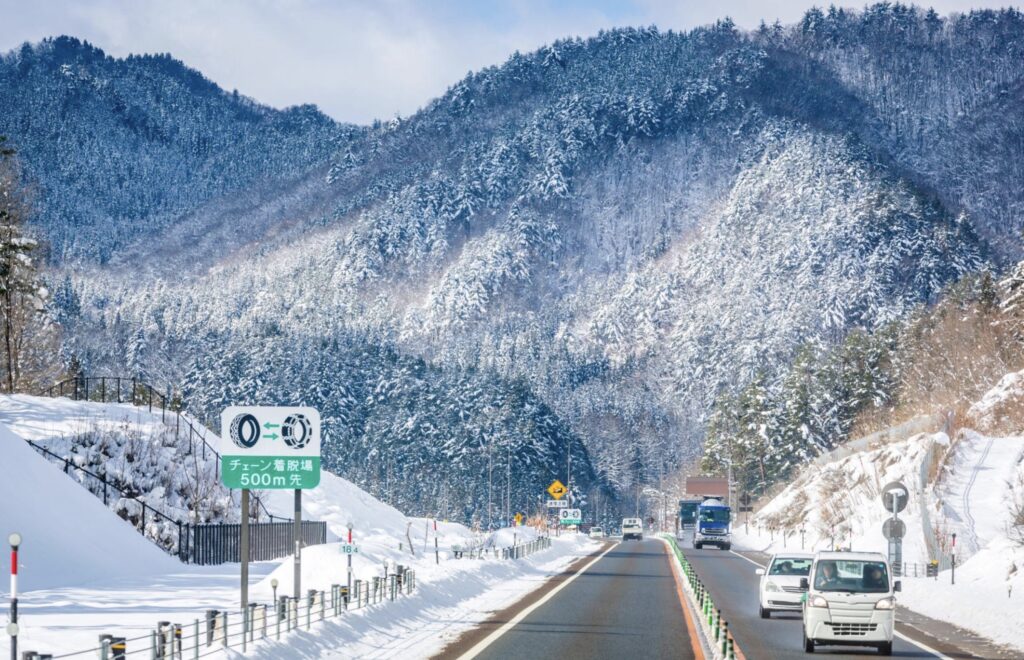
Japan’s growing popularity among international travelers is creating a new challenge in some of the country’s most popular regional destinations: keeping foreign visitors safe when they get behind the wheel.
Rental car accidents involving foreign tourists have increased sharply in areas popular with visitors, particularly around ski resorts in Niigata and Nagano prefectures.
In Niigata Prefecture, rental cars driven by foreign visitors were involved in 149 property-damage accidents in 2025, up from 38 in 2022.
That represents an increase of nearly four times in just three years.
The problem is especially visible during winter.
Of the 149 accidents recorded in Niigata in 2025, 80 occurred during January, February and December.
Snow-covered roads, icy surfaces and unfamiliar driving conditions can create serious difficulties for visitors who have little experience driving in Japanese winters.
Three of the 2025 accidents resulted in injuries, with six people injured in total and one suffering serious injuries.
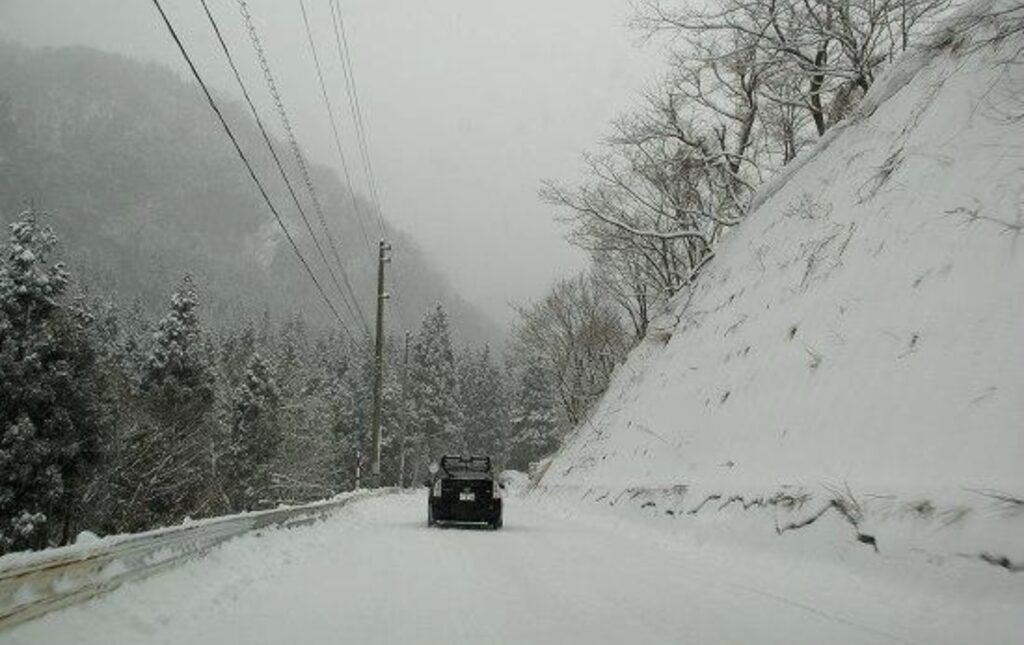
The increase has prompted Japanese authorities to look for ways to reduce accidents before the winter travel season intensifies.
Transport officials, police and other organizations have begun working together on measures aimed at foreign visitors who rent cars.
The issue reflects a broader change in Japanese tourism.
International visitors are increasingly traveling beyond Tokyo, Osaka and Kyoto.
Mountain resorts, rural towns and ski destinations have become increasingly attractive as travelers look for experiences outside Japan’s largest cities.
Rental cars can make those destinations much easier to reach.
Public transportation is extensive in Japan, but some rural areas have limited train and bus services.
For travelers visiting ski resorts or remote sightseeing destinations, a rental car can provide flexibility that public transportation cannot.
The same convenience, however, creates additional safety risks.
Japan drives on the left side of the road, while many visitors come from countries where vehicles drive on the right.
Road signs, lane markings and traffic rules can also differ from those in visitors’ home countries.
Winter driving introduces another layer of difficulty.
Roads that appear manageable in normal conditions can become dangerous when covered by snow or ice.
Narrow mountain roads can be particularly challenging.
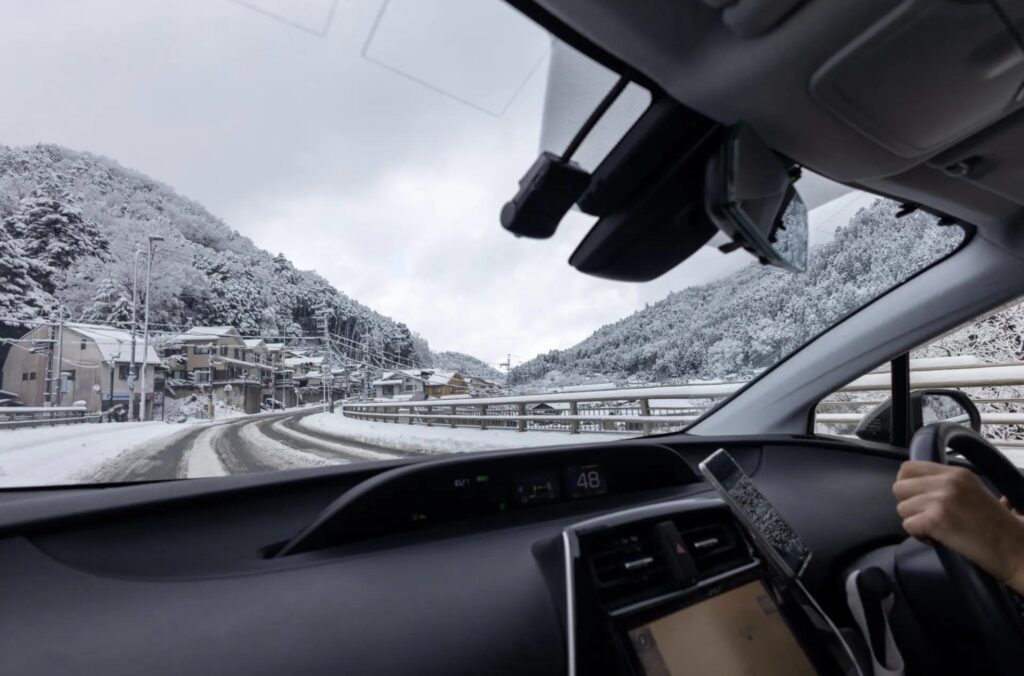
Authorities are therefore placing greater emphasis on information and preparation before tourists leave rental facilities.
In Hokkaido, transport officials recently launched a safety campaign aimed specifically at foreign travelers renting cars.
The campaign provides information about Japanese traffic rules and safe driving practices before visitors begin their journeys.
The effort brings together transport authorities, police, airport operators, insurance organizations, the Japan Automobile Federation and rental car industry groups.
The focus is on prevention rather than responding to accidents after they occur.
The timing is significant because Hokkaido is one of Japan’s most popular destinations for international winter travelers.
The island is known for its snow, ski resorts and winter scenery, making rental cars an attractive option for visitors traveling between airports, resorts and rural destinations.
Japanese authorities have also been responding to similar concerns in other tourism regions.
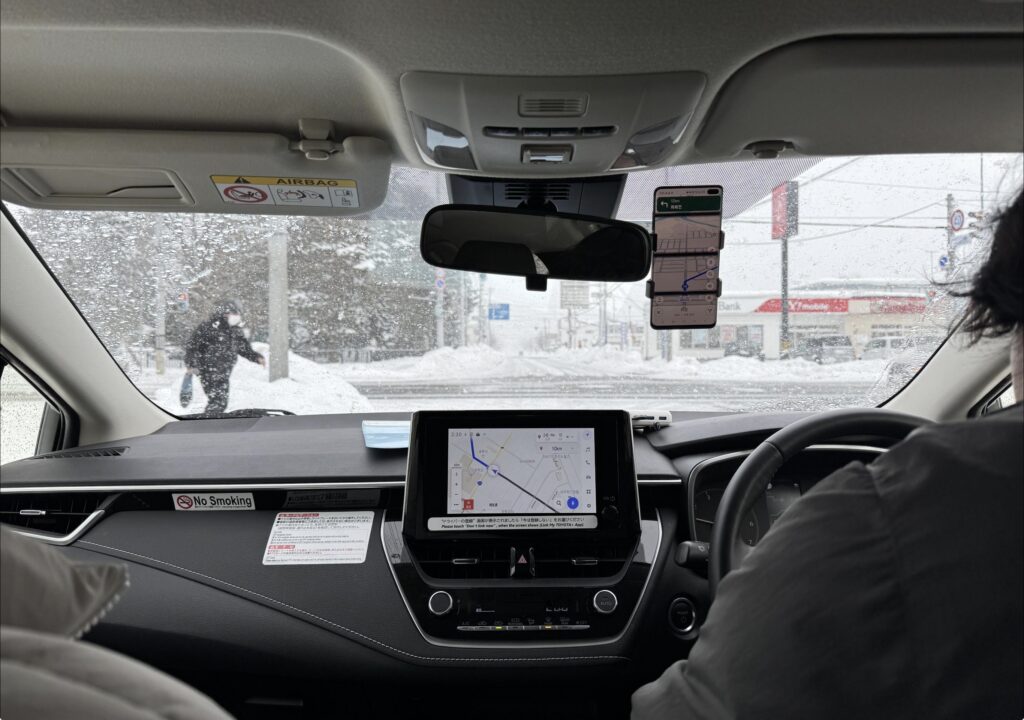
Around Mount Fuji, accidents involving rental cars driven by foreign tourists have risen dramatically in recent years as international tourism has expanded.
The pattern illustrates a broader issue facing Japan.
The country has successfully encouraged international visitors to explore regions outside the traditional tourist centers.
But regional tourism often depends on transportation systems that were designed primarily for local residents.
When international visitor numbers increase rapidly, local roads, rental companies and tourism services can face new demands.
The challenge is not simply the number of vehicles.
Foreign visitors may also be unfamiliar with local driving customs.
Rental companies therefore have an important role to play in explaining traffic rules before customers leave.
Multilingual instructions can help tourists understand road signs, speed limits, winter driving requirements and emergency procedures.
Navigation technology can also help, but digital maps cannot eliminate the risks created by unfamiliar roads or weather.
For travelers, the issue is a reminder that driving in Japan requires preparation.
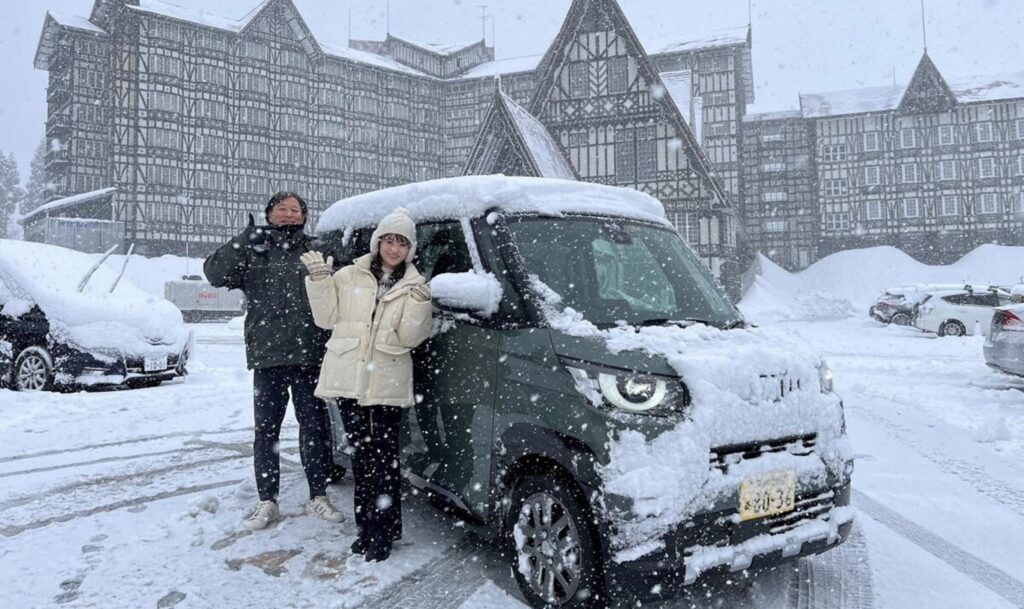
Checking local traffic rules, understanding winter conditions and choosing a vehicle equipped for snow can make a significant difference.
For Japan, improving road safety is becoming part of the broader challenge of managing mass tourism.
The country has benefited enormously from the rapid recovery of international travel.
But as visitors move deeper into rural areas, tourism policy increasingly needs to include infrastructure, transportation and safety.
The goal is not to discourage foreign travelers from renting cars.
Instead, authorities want to ensure that the convenience of independent travel does not come at the cost of safety.
As international visitors venture farther beyond Japan’s major cities, the country’s tourism boom is creating a new priority: making sure the freedom of rental-car travel is matched by adequate safety information and preparation.
SOPHIA KIM
US ASIA JOURNAL

