


South Korea’s young consumers are cutting back on everyday spending at a pace that is increasingly setting them apart from other age groups, highlighting the financial pressure facing a generation entering the workforce in a difficult economic environment.
Data from KB Kookmin Card show that spending by consumers in their 20s at offline businesses fell 7.9% in the first half of 2026 from a year earlier.
The decline marked the third consecutive year of falling offline spending among people in their 20s.
The decrease was 2.1% in 2024 and 5.8% in 2025, showing that the contraction has accelerated.
Online spending among people in their 20s also fell during the first half of this year.
It declined about 2%, making the age group the only one among the major age categories to record a decrease.
The figures point to a change in the consumption habits of young South Koreans.
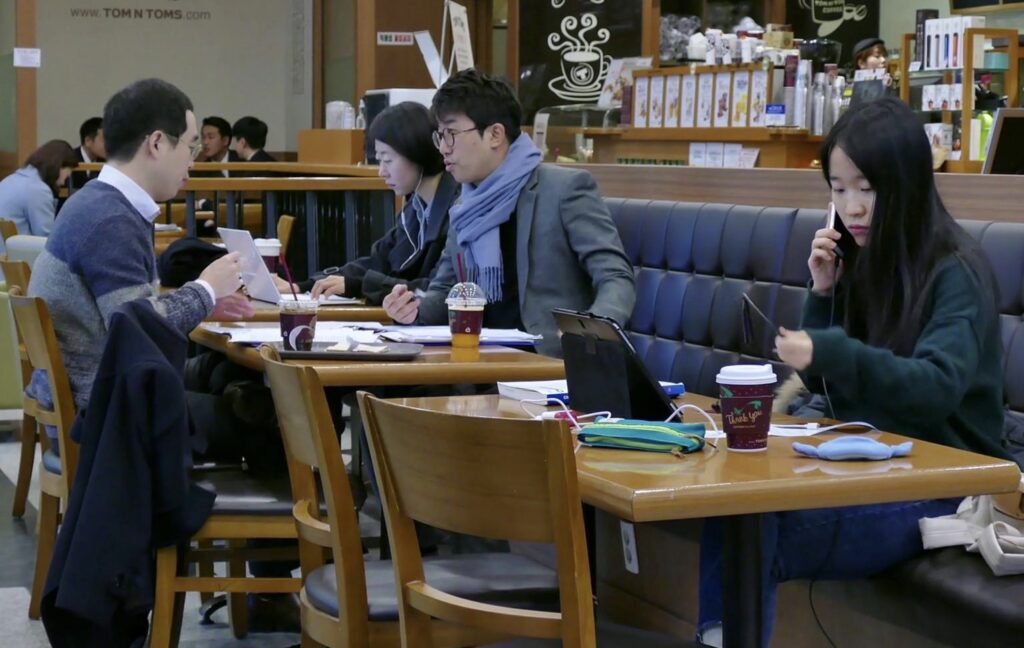
Coffee shops, restaurants, bars and other businesses that traditionally attracted large numbers of younger customers are facing a more cautious consumer base.
For many young people, spending decisions increasingly involve deciding whether an outing is necessary in the first place.
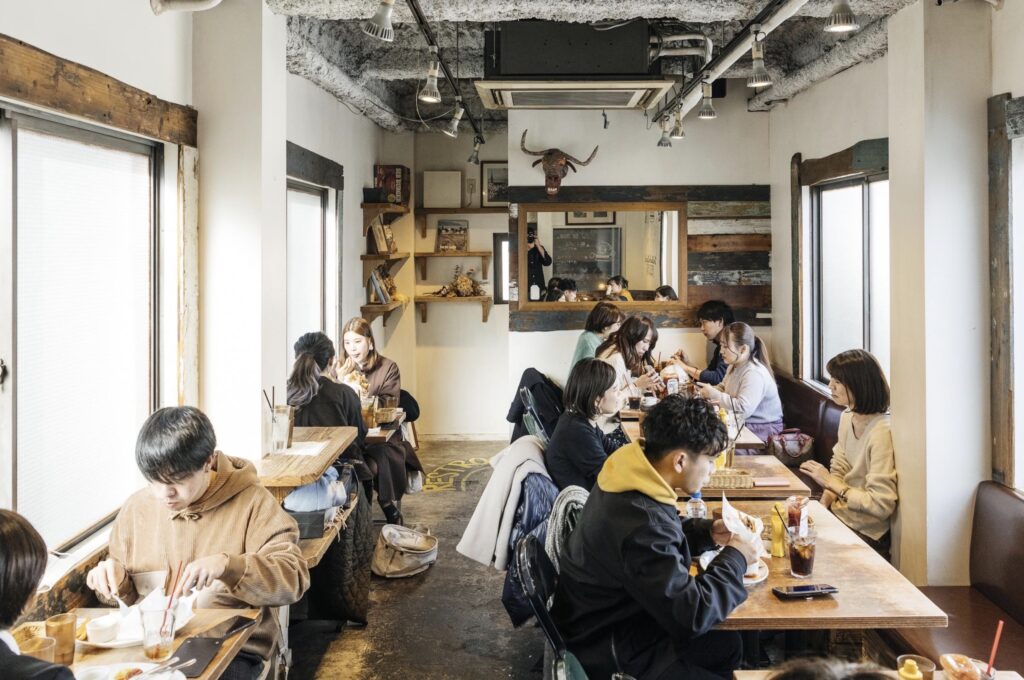
Meeting friends often means paying for transportation, food and coffee.
As those costs rise, some consumers are reducing the number of social gatherings or choosing cheaper alternatives.
The trend comes as South Korea continues to face pressure from higher living costs.
Consumer prices rose 2.8% year-on-year in July, while prices for personal services, which include many activities connected to dining and leisure, increased at a faster pace.
Young adults are particularly exposed to these pressures because many have lower incomes, unstable employment or are still studying.
A recent survey of consumers in their 20s found that college students had an average monthly spending budget of about 681,000 won.
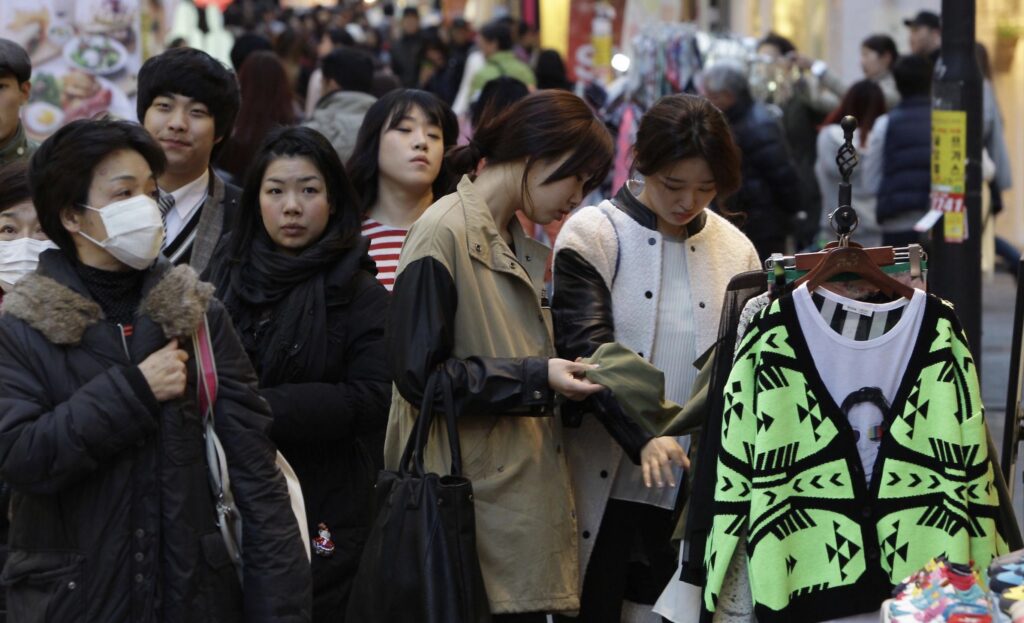
That money has to cover food, transportation, leisure and other daily necessities, leaving limited room for discretionary spending.
Food has become one of the areas where young consumers are trying to reduce costs.
Instead of eating out, some are buying inexpensive prepared food or cooking simple meals at home.
Cheap meal recommendations and communities built around minimizing daily expenses have also become increasingly visible among young Koreans.
The changes are significant for businesses.
Young consumers have traditionally been an important customer base for cafés, dessert shops, casual restaurants and bars.
If their spending remains weak, businesses that rely heavily on younger customers could face continued pressure.
The issue is not simply about inflation.
Demographic change is also playing a role.
South Korea’s younger population is shrinking, meaning the number of potential consumers in their 20s is becoming smaller.
At the same time, weaker employment prospects can delay the point at which young people begin earning stable incomes.
That combination creates a structural challenge for the consumer economy.
The employment market is particularly important.

Young people entering the labor market are competing for positions at a time when companies are also changing the way they recruit and organize work.
The growing use of artificial intelligence and automation could further alter entry-level employment opportunities in some industries.
For young consumers, delayed employment can mean delayed spending.
A person without stable income is less likely to sign a long-term lease, purchase a car, travel frequently or spend regularly on restaurants and entertainment.
The effects can therefore extend well beyond cafés and bars.
Housing, travel, retail and other consumer industries can all be affected when young adults become more cautious.
The trend also illustrates a wider change in Korean consumer culture.
Instead of simply looking for cheaper versions of the same products, younger consumers are increasingly deciding which purchases they can avoid altogether.
That distinction matters.
Discounts may encourage a consumer to buy a cheaper coffee, but they do not necessarily encourage someone to meet friends less often or skip the coffee entirely.
For businesses, attracting younger customers may therefore require more than price promotions.
Affordable products, flexible formats and experiences that provide clear value could become increasingly important.
The shift could also influence the kinds of businesses that succeed in neighborhoods dominated by younger consumers.
Restaurants offering inexpensive meals, cafés with lower-priced options and entertainment businesses with flexible pricing may be better positioned to withstand weaker discretionary spending.
South Korea’s young consumers are not disappearing from the market.
They are becoming more selective.
Their spending habits reflect a generation dealing with demographic change, employment uncertainty and higher everyday costs.
For the Korean economy, the question is whether the current slowdown in youth consumption is temporary or becomes a longer-term feature of the market.
South Korea’s young consumers are still spending, but they are increasingly deciding what is worth paying for — a shift that could reshape the country’s consumer economy for years to come.
SOPHIA KIM
US ASIA JOURNAL

