


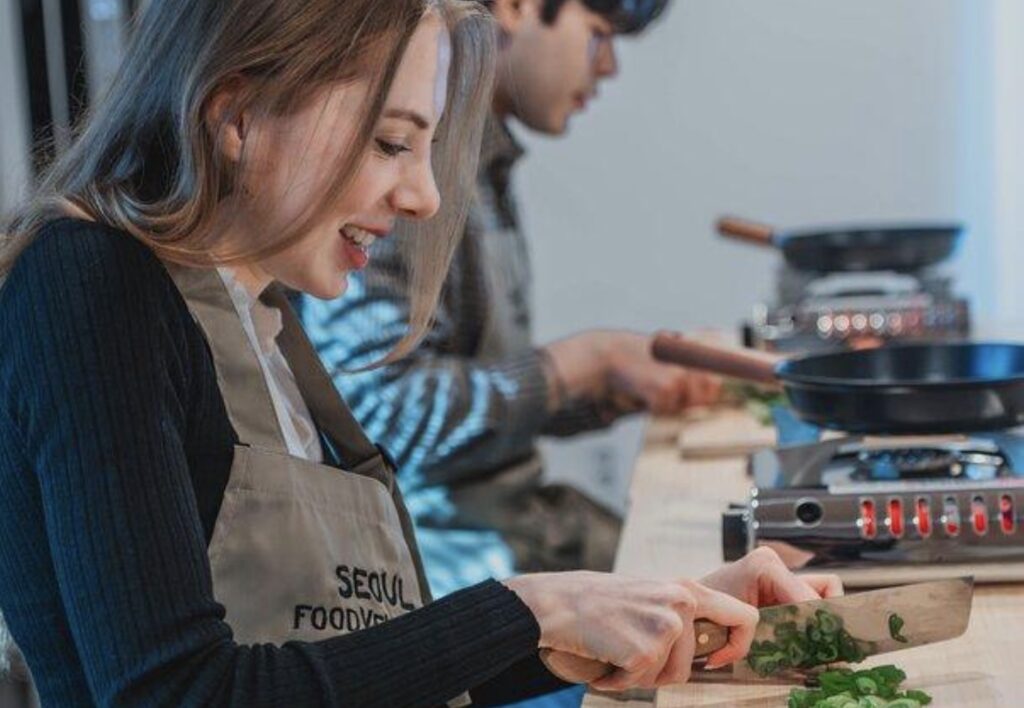
South Korea’s global food boom is moving beyond restaurants as international visitors increasingly look for ways to cook, taste and experience Korean cuisine themselves.
Korean food has become one of the most visible parts of the country’s cultural appeal. Now, tourism officials and local businesses are expanding that interest into hands-on culinary experiences that allow visitors to move from being consumers of Korean food to participants in its preparation.
The shift is part of a broader effort to develop culinary tourism across South Korea.
The government’s K-Gastronomy Journey initiative is linking food experiences with regional tourism, encouraging visitors to explore local dishes and destinations rather than concentrating their trips solely in Seoul.
The strategy reflects a change in how international travelers experience Korean culture.
For many visitors, trying Korean food has traditionally meant eating dishes such as Korean barbecue, fried chicken, bibimbap or kimchi at restaurants.
Cooking programs offer a different experience.
Visitors can learn how ingredients are prepared, how dishes are assembled and why certain foods are associated with particular regions, seasons and traditions.
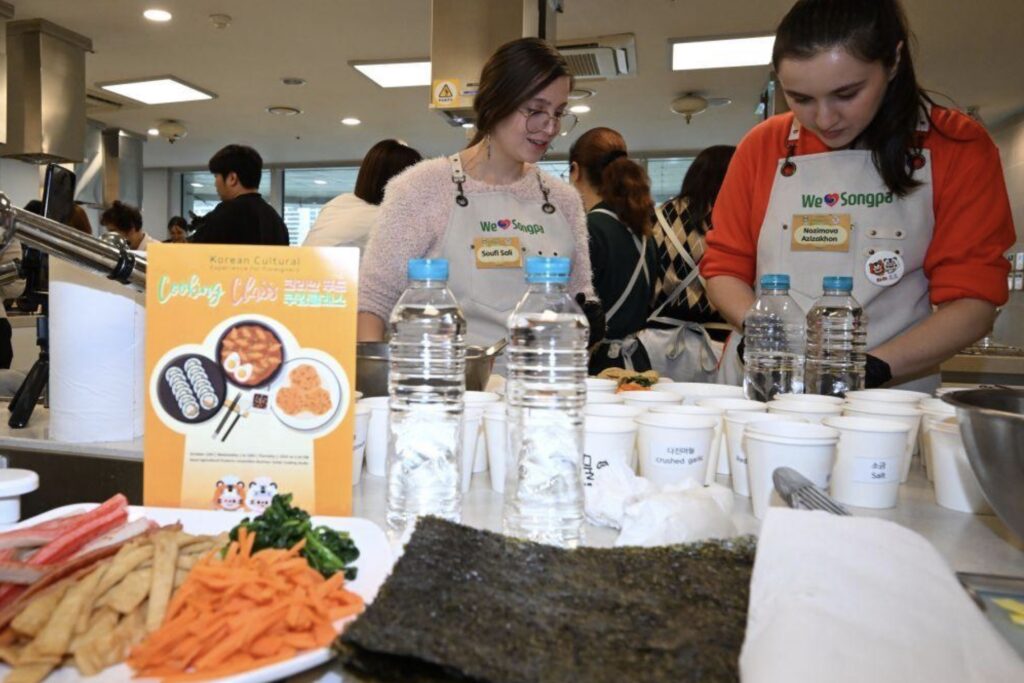
In Seoul, programs aimed at foreign visitors are already offering classes with professional chefs and food masters.
At Garak Market, for example, a monthly Korean cooking program has introduced international participants to dishes ranging from gimbap and samgyeopsal to street food and seasonal Korean cuisine.
The program combines cooking with a visit to one of Seoul’s largest food markets, allowing participants to see the ingredients before preparing them.
That combination is important for culinary tourism.
A cooking class can become a bridge between a tourist attraction and the everyday food culture of a city.
Instead of simply taking photographs of a traditional market, visitors can purchase or learn about ingredients and then use them to prepare a meal.
The experience also creates opportunities for interaction with Korean chefs and local residents.
Language is another factor supporting the growth of these programs.
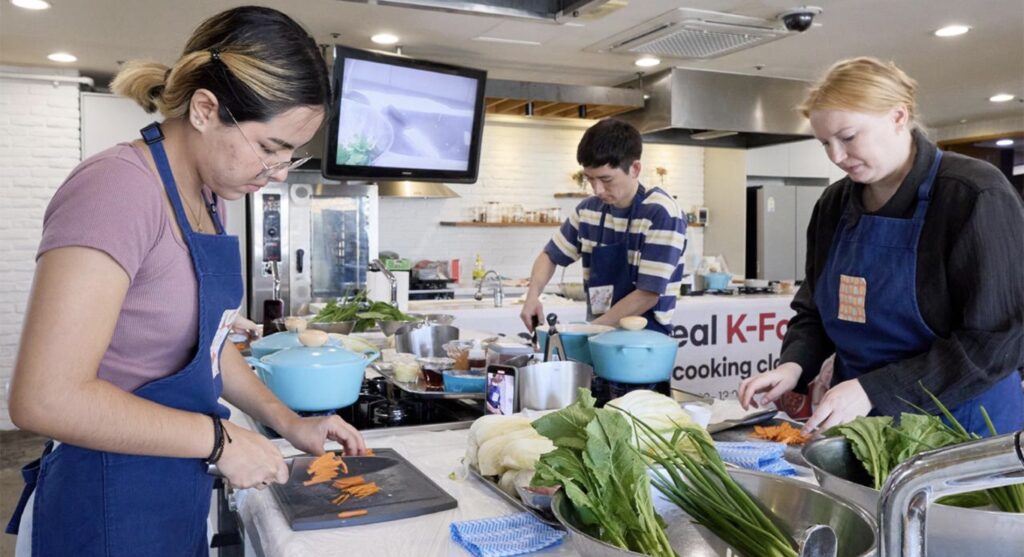
Classes designed specifically for international visitors increasingly provide instruction in English and other languages, making it easier for travelers to participate regardless of their knowledge of Korean.
Some programs also incorporate Korean history, dining customs and stories behind individual dishes.
Korean food’s connection to popular culture is adding another layer.
International audiences who first encountered Korean cuisine through television dramas, films or social media can now experience dishes in a more direct way.
Cooking programs inspired by Korean dramas have previously allowed tourists to prepare foods featured in popular shows, including gimbap, japchae and bulgogi.
The appeal extends beyond Seoul.
Tourism authorities are increasingly promoting regional food as a way to encourage international visitors to travel farther into the country.
South Korea has a wide range of local culinary traditions, from seafood-based dishes in coastal cities to regional specialties built around agricultural products.
The Korea Tourism Organization has also been using overseas influencers to promote regional food tourism, sending international creators to different parts of the country to taste, film and share local dishes with audiences abroad.
The strategy could help address one of the challenges facing Korean tourism: encouraging visitors to explore destinations outside the capital.
Seoul remains the country’s largest international tourism hub, but regional food offers a natural reason for travelers to add other cities and provinces to their itineraries.
Food can also encourage longer stays.
A visitor interested in Korean cuisine may travel to a traditional market, take a cooking class, visit a local restaurant and explore the area around it.
That creates spending opportunities for restaurants, markets, transportation providers, accommodation businesses and local producers.
The growing interest in culinary experiences also reflects a broader change in international tourism.
Travelers increasingly seek activities that allow them to participate rather than simply observe.
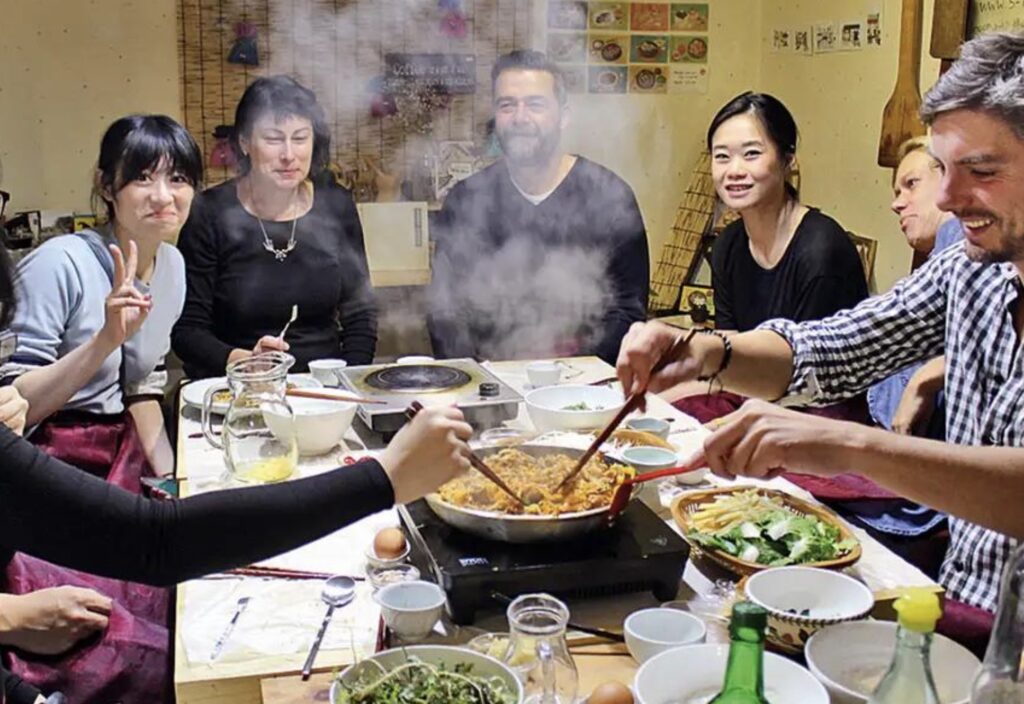
Cooking, craft workshops and local cultural programs fit that demand because they create experiences that visitors can take home as memories and skills.
For South Korea, the opportunity is to turn the global popularity of K-food into a wider tourism economy.
The country already has an international audience familiar with Korean dishes.
The next step is to give that audience more reasons to discover where the food comes from and how it is made.
That could make culinary tourism an important part of South Korea’s next stage of tourism development.
As Korean food gains a larger global following, South Korea is increasingly turning the meal itself into a tourism experience — giving international visitors a chance not only to taste K-food, but to make it themselves.
SOPHIA KIM
US ASIA JOURNAL

