


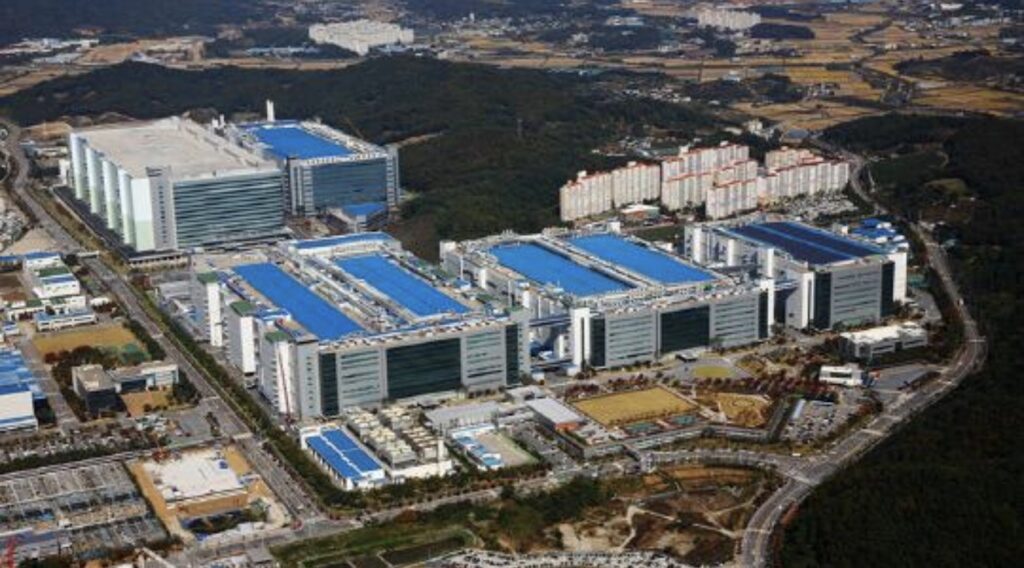
South Korea’s semiconductor industry is entering a new phase as the rapid expansion of artificial intelligence infrastructure increases demand for high-performance memory and strengthens the position of the country’s two largest memory manufacturers, Samsung Electronics and SK hynix.
The latest developments in the global AI market have again placed Korean chipmakers at the center of investor attention.
Nvidia reported quarterly revenue of $96.22 billion, more than double the figure from a year earlier. Its data center business generated $89 billion in revenue, also more than doubling from the same period a year earlier.
The results reinforced expectations that spending on AI infrastructure remains strong.
For South Korean semiconductor companies, however, the significance extends beyond demand for processors.
As AI systems become more powerful, they require increasingly sophisticated memory capable of moving large amounts of data quickly between processors and memory systems.
High Bandwidth Memory, commonly known as HBM, has therefore become one of the most important components in the AI hardware supply chain.
Samsung Electronics and SK hynix are among the world’s major suppliers of advanced memory products.
SK hynix has maintained a leading position in the HBM market, while Samsung has been working to expand its position as demand for newer generations of HBM increases.
Market data for the first quarter of 2026 showed SK hynix holding the largest share of global HBM revenue, with Samsung also maintaining a significant position in the market.
The competitive landscape is changing as the industry moves toward newer generations of memory.
The transition to HBM4 is particularly important.
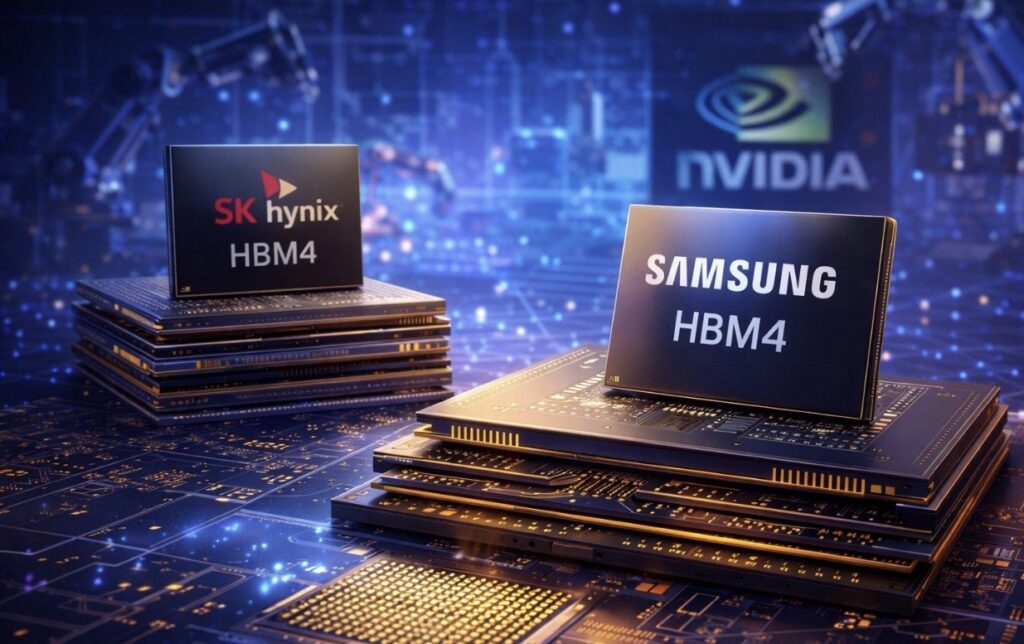
Next-generation AI processors require memory with greater bandwidth and higher performance. This has encouraged memory manufacturers to invest heavily in production capacity, advanced packaging and new manufacturing technologies.
The increase in demand is also creating a different problem.
Memory has become a potential bottleneck for the broader AI industry.
Nvidia executives said higher memory costs were putting pressure on the company’s margins, highlighting the growing importance of memory supply as AI computing expands.
For Korean manufacturers, this creates both an opportunity and a challenge.
Higher demand can improve pricing power and increase revenue, but producing advanced memory requires substantial investment in manufacturing facilities, equipment and technology.
The companies must also make decisions about how much capacity to dedicate to HBM and other high-value memory products while maintaining supplies for traditional markets such as PCs, smartphones and servers.
That balance is becoming increasingly important.
The memory industry has historically experienced large cycles in which periods of oversupply are followed by shortages and sharp changes in prices.
AI is changing the structure of that market by creating a new source of demand from data centers.
Large technology companies are building increasingly powerful computing infrastructure to support artificial intelligence services, creating demand for processors, memory, networking equipment and electricity.
This has made semiconductor companies more closely connected to the global AI investment cycle.
South Korea is particularly exposed to this transformation because semiconductors are among the country’s most important export industries.
The country’s position in memory manufacturing gives Samsung and SK hynix an important role in the global supply chain, but it also means that changes in AI investment can have a significant impact on the broader Korean economy.
The two companies are now competing not only on manufacturing scale but also on technology.
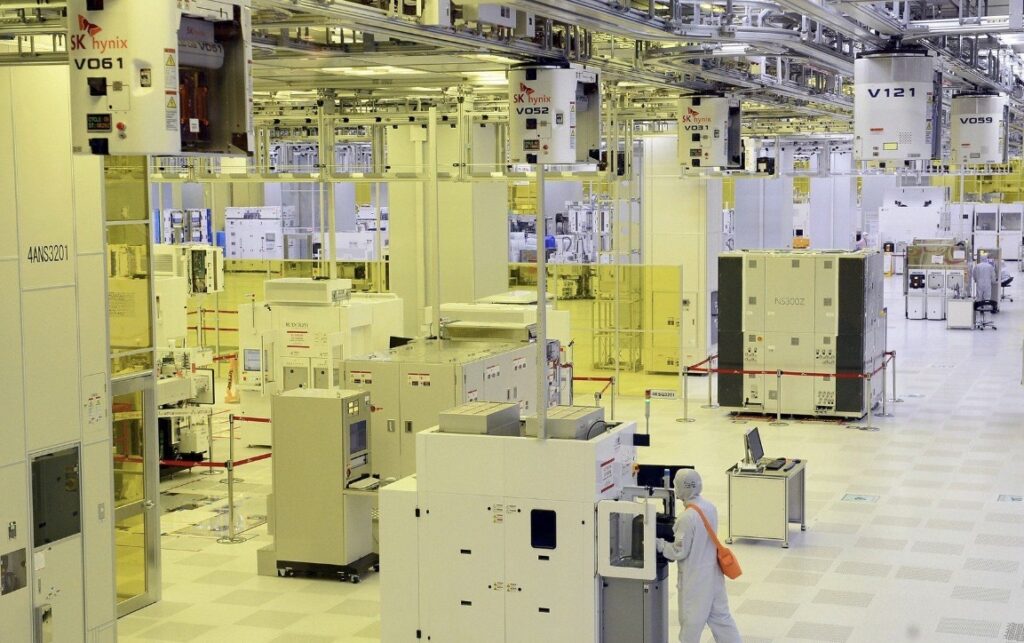
HBM requires advanced manufacturing and packaging capabilities, and customers increasingly evaluate memory based on performance, reliability and integration with AI accelerators.
This is creating a shift in the competitive landscape.
The traditional memory market was largely driven by personal computers, smartphones and conventional servers. The new market is increasingly shaped by AI data centers and specialized computing systems.
That transition could benefit companies that successfully move toward higher-value products.
But the AI boom also raises questions about how sustainable the current level of investment will be.
If technology companies continue expanding data-center spending, demand for advanced memory could remain strong. If investment slows significantly, however, manufacturers that have rapidly expanded capacity could face a new period of oversupply.
For Samsung and SK hynix, the immediate priority is therefore clear: secure their position in the next generation of AI memory while maintaining enough flexibility to respond to changes in the broader semiconductor market.
The latest Nvidia results have provided another indication that AI infrastructure investment remains strong.
For South Korea, the development has implications far beyond two companies.
The country’s semiconductor ecosystem includes equipment manufacturers, materials suppliers, packaging companies and smaller technology firms that depend on investment by major chipmakers.
As AI increasingly becomes a driver of global technology investment, the performance of Samsung and SK hynix could therefore influence a much wider part of South Korea’s industrial economy.
The competition is no longer simply about who can manufacture the largest volume of memory.
It is increasingly about who can provide the most advanced memory for the next generation of artificial intelligence.
For South Korea’s semiconductor industry, the AI boom is creating a new race — and memory has become one of its most important battlegrounds.
SOPHIA KIM
US ASIA JOURNAL

