


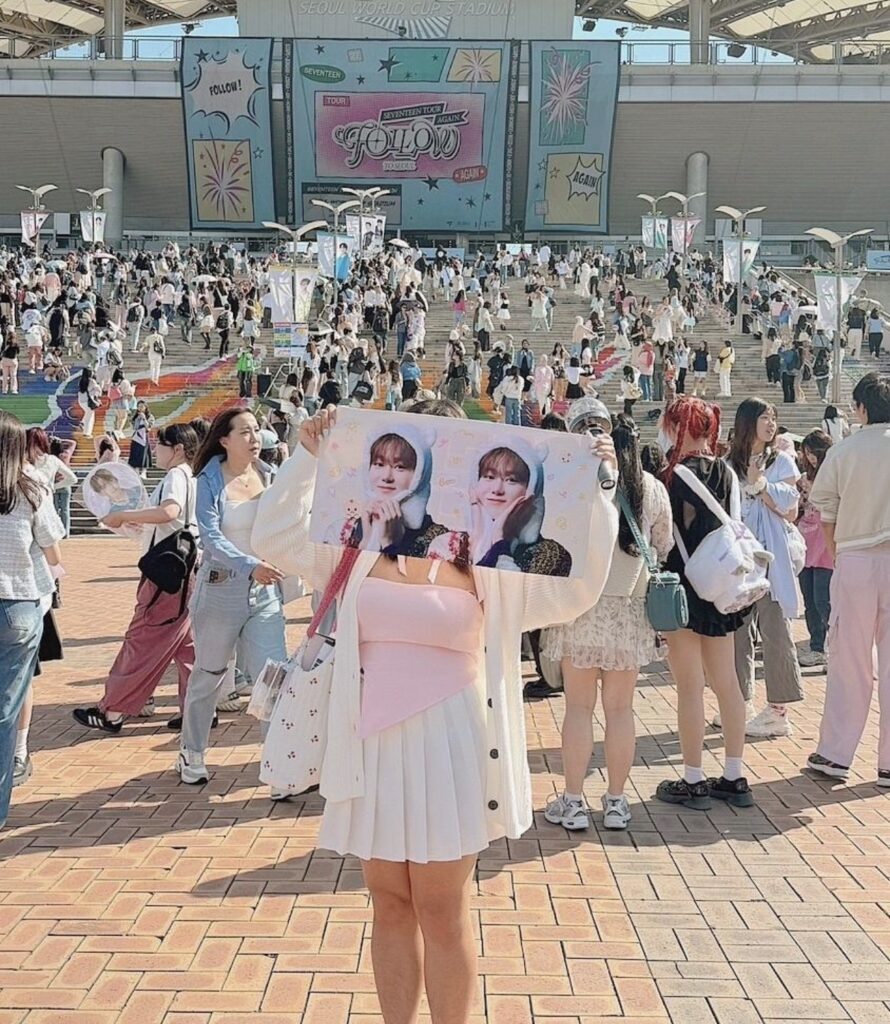
Across Asia, entertainment is becoming an increasingly important reason for people to travel.
In the past, travelers generally chose a destination first and then looked for entertainment after arriving. Today, that pattern is changing. Music, television, film, animation and online fandoms are increasingly influencing where people travel, when they travel and how they spend money.
For some travelers, a concert is now enough to justify an international trip.
A fan may travel to another country to see a favorite artist, stay for several nights, visit places associated with the artist and explore local restaurants, cafés and shopping districts before returning home.
The performance may last only a few hours. The trip surrounding it can last several days.
This is creating a new form of entertainment tourism across Asia.
South Korea is at the center of this trend. The international popularity of K-pop has created large communities of fans who increasingly combine concerts with wider experiences in Seoul and other Korean cities.
When a major artist announces a new tour, travel planning can begin almost immediately.
Fans often look for flights and hotels as soon as performance dates are announced. For international visitors, attending a concert can become the central purpose of a trip rather than simply one activity during a vacation.
But music is only part of the experience.
Visitors may also explore entertainment districts, Korean restaurants, beauty stores, fashion retailers and cafés connected to popular artists and television programs.
This allows entertainment to function as a gateway to a much broader tourism experience.
Japan has developed a similar relationship between entertainment and travel through anime, manga, games and J-pop.
International fans travel to Japan not only to visit traditional tourist attractions but also to explore specialty stores, exhibitions, themed cafés and neighborhoods connected to their favorite works.
Unlike conventional tourism, entertainment tourism does not always depend on a famous landmark.
A limited-time exhibition, character collaboration, pop-up store or entertainment event can provide a reason for someone to visit a city they may not otherwise have considered.
That creates opportunities for destinations outside the region’s biggest tourist centers.
A large concert venue, for example, can attract visitors to surrounding hotels, restaurants and shopping areas. A successful event can therefore generate economic activity well beyond ticket sales.
Hotels benefit from additional demand, while restaurants and retailers can create special products and promotions aimed at visiting fans.
Airlines and transportation companies can also benefit when large entertainment events attract travelers from other countries.
The relationship between entertainment and tourism is particularly strong among younger consumers.
Social media allows fans to discover not only artists but also the places associated with them. A restaurant visited by a celebrity, a filming location or a temporary pop-up store can quickly become part of a travel itinerary.
One fan’s trip can then inspire another.
Photos, videos and recommendations shared online create a continuous cycle between fandom and tourism.
This is changing how destinations promote themselves.
Traditional tourism marketing has often focused on landmarks, nature, shopping and food. Entertainment now provides another way for cities to attract international visitors.
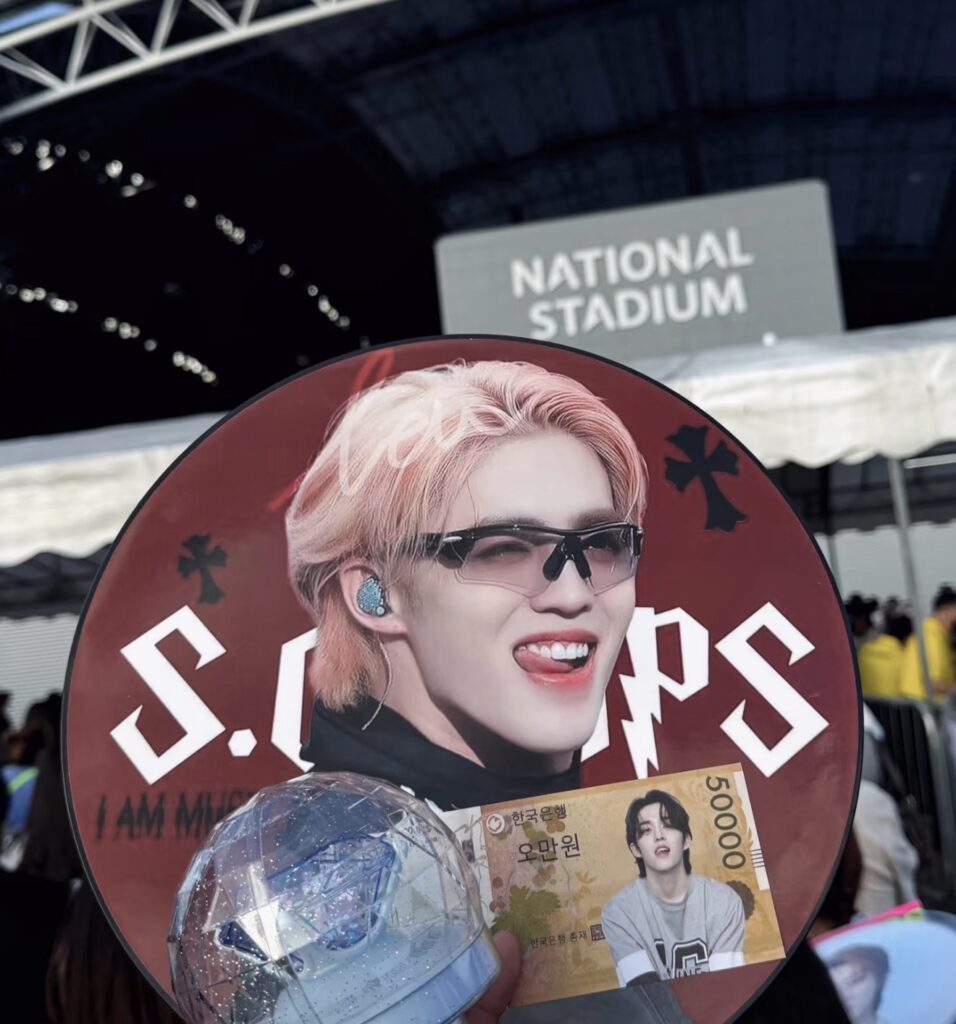
A city can promote itself through concerts, festivals, exhibitions and cultural events while encouraging visitors to experience the surrounding area.
The opportunity is particularly significant for Asian cities because the region has a large and highly connected consumer market.
Travel between major Asian cities can often be completed within a few hours, making it easier for fans to travel internationally for a weekend or several days.
The combination of affordable air connections, digital ticketing and online travel booking has further reduced the barriers to short entertainment-focused trips.
Entertainment companies are also beginning to think beyond the event itself.
Concerts can be accompanied by merchandise stores, exhibitions, themed cafés and collaborations with local businesses.
These activities turn a single performance into a broader experience.
For fans, that can make the journey feel more meaningful.
The destination becomes part of the fandom itself.
A visitor may photograph a location associated with an artist, purchase limited-edition merchandise, try local food and meet other fans before attending the main event.
The experience can continue long after the concert ends.
There is also a cultural benefit.
Entertainment can encourage people to learn more about countries and communities they may previously have known little about.
K-pop can introduce international audiences to Korean food, language and fashion. Japanese animation can encourage visitors to explore Japanese neighborhoods, products and cultural traditions.
Popular television programs can similarly turn filming locations into tourist attractions.
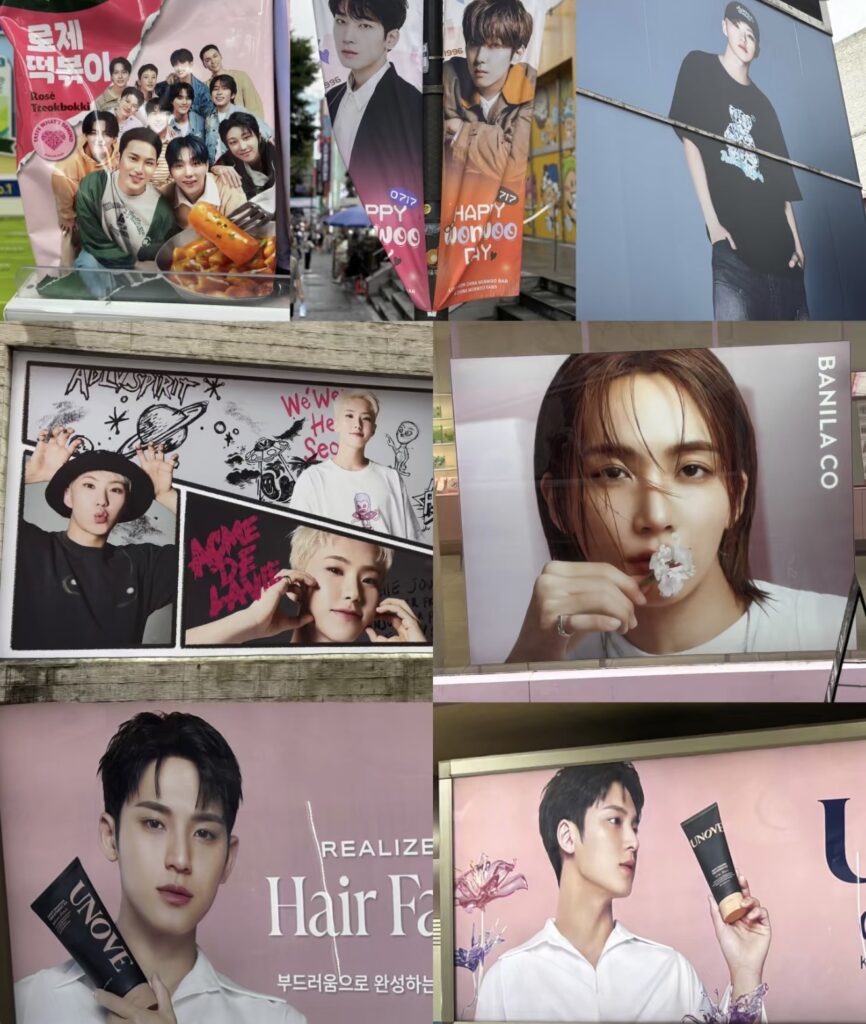
In this way, entertainment is becoming more than a form of leisure.
It is increasingly becoming a cultural bridge.
However, the growth of entertainment tourism also presents challenges.
Large events can place pressure on transportation, accommodation and local infrastructure. Popular destinations must also find ways to ensure that the economic benefits reach local businesses rather than remaining concentrated around major entertainment companies.
For tourism authorities, the goal is therefore not simply to attract fans to a concert.
The larger opportunity is to encourage those visitors to stay longer, spend locally and experience the destination beyond the event.
That could make entertainment tourism an increasingly important part of Asia’s broader travel economy.
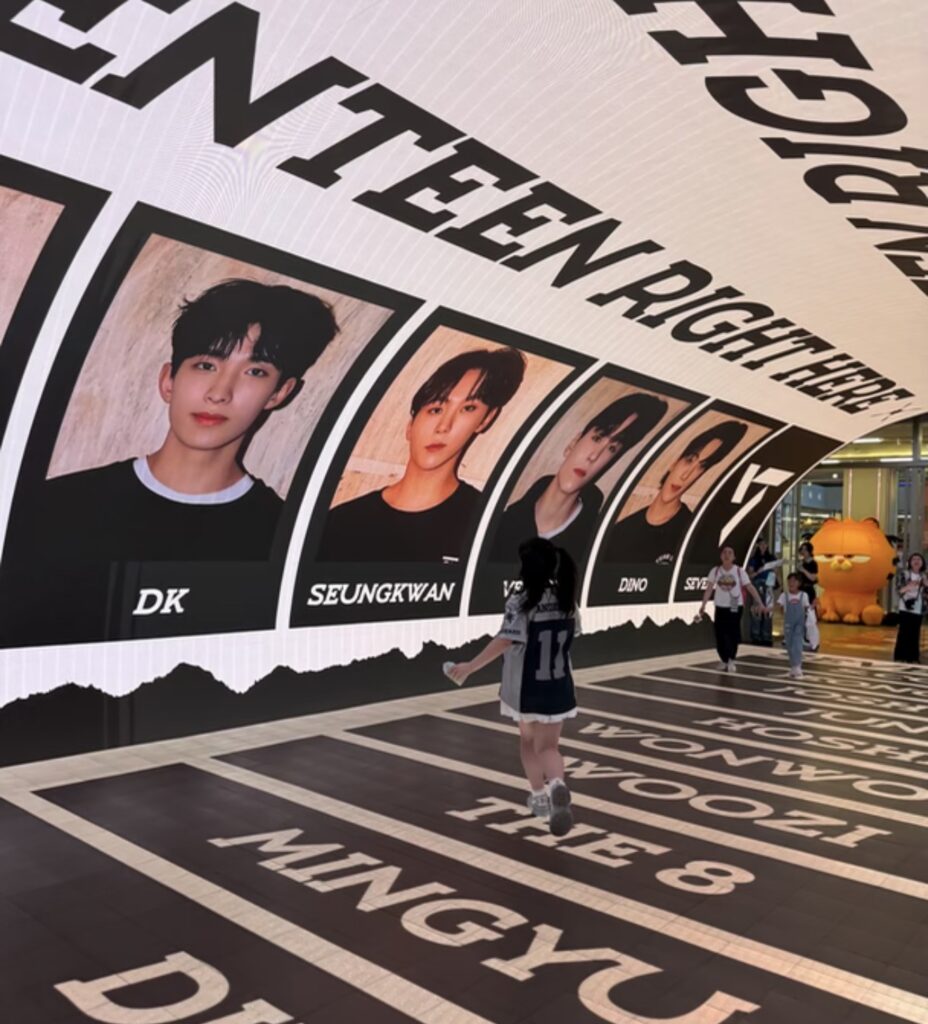
The region’s tourism industry has traditionally been built around landmarks, shopping, food and natural attractions.
A new generation of travelers is adding another reason to travel.
Sometimes, the destination is chosen because a favorite artist is performing there.
Sometimes, it is because a fictional character has become part of a city’s identity.
And increasingly, a trip begins with something that started on a screen.
The modern fan is no longer simply watching from home. Increasingly, the fan is getting on a plane.
SOPHIA KIM
US ASIA JOURNAL

