



Travel habits across Asia are changing as more people choose shorter and more frequent trips that can fit around work, study and everyday commitments.
Instead of saving vacation time for one long holiday, travelers are increasingly taking several shorter breaks throughout the year. A two- or three-day trip can provide an opportunity to visit another city or country without requiring a lengthy absence from work.
The shift is particularly visible among younger travelers, for whom travel is increasingly becoming part of everyday lifestyle rather than an occasional major event.
Recent travel research indicates that 32% of surveyed Asian travelers planned trips lasting one to three days in 2026. Another 35% expected to take four to six trips during the year, suggesting that travel frequency is becoming an important part of how consumers plan their leisure time.
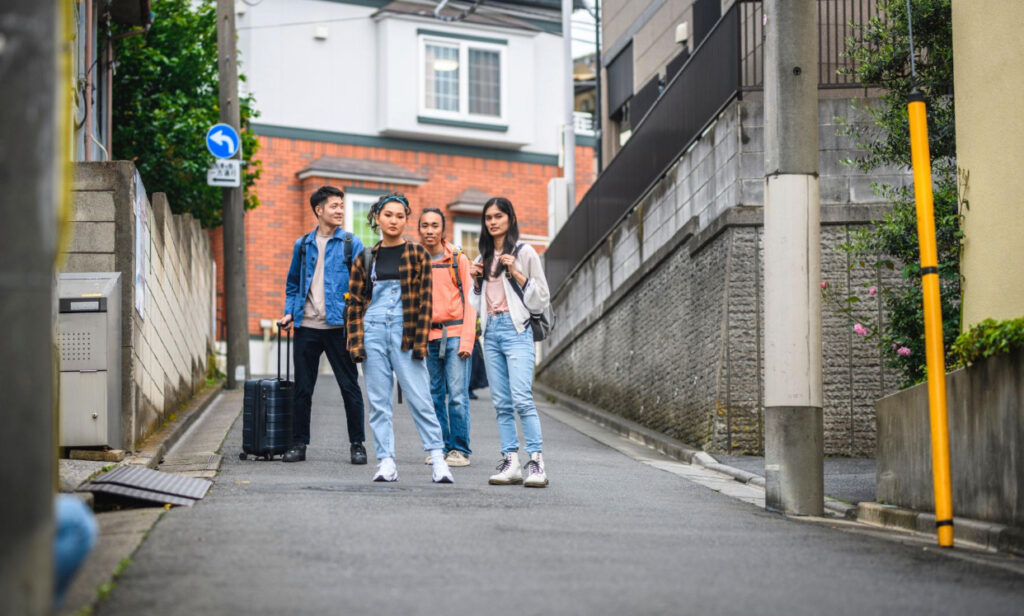
The growing popularity of short trips is closely connected to Asia’s geographic characteristics.
Major cities across the region are connected by extensive air networks and, in some markets, high-speed rail. Travelers can move between neighboring countries or cities within a few hours, making weekend travel increasingly practical.

For a worker in Seoul, for example, a Friday evening departure can make a weekend in Japan possible before returning home on Sunday. Similar patterns can be seen among travelers moving between Singapore, Kuala Lumpur, Bangkok, Taipei and other major Asian cities.
The appeal is not simply convenience.
Shorter trips also allow travelers to organize their spending around specific experiences. Instead of paying for a week-long vacation, visitors can concentrate their budget on a restaurant, concert, shopping district, cultural event or outdoor activity.
This has created a more focused style of travel.
A traveler may visit a city specifically for its food, another for shopping and another for a cultural festival. The destination itself becomes less important than the experience the traveler wants to have there.
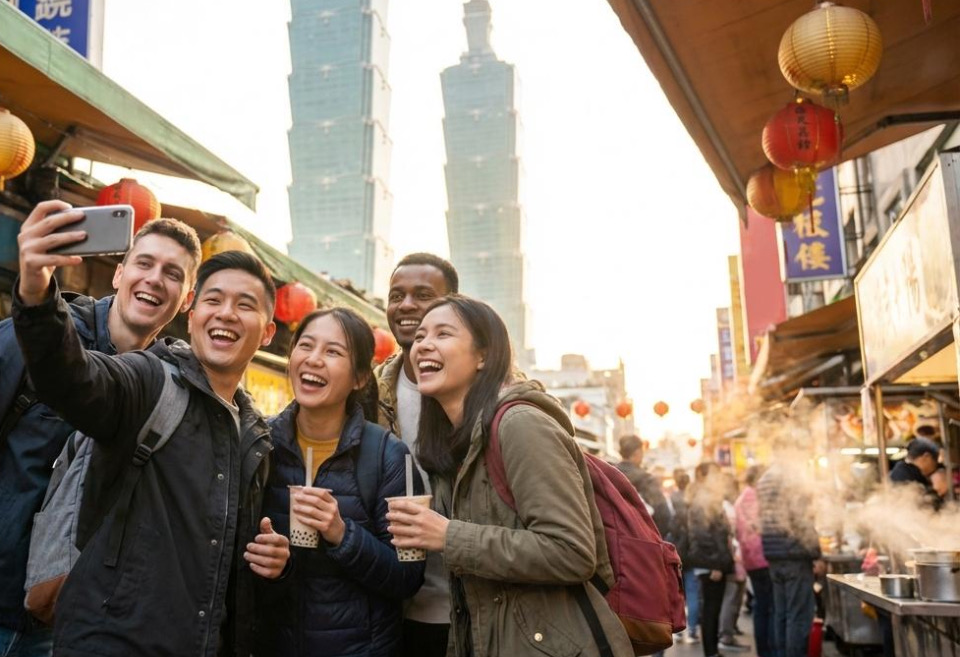
Social media has reinforced this behavior.
Travelers can discover restaurants, exhibitions, cafés and local attractions through short-form videos and online recommendations, often creating an itinerary around a small number of highly specific experiences.
Planning has also become easier.
Mobile booking services allow travelers to compare transportation and accommodation options quickly, while digital maps and travel applications make it easier to navigate unfamiliar cities. Artificial intelligence is also beginning to play a larger role in travel planning, from destination recommendations to itinerary creation and translation.
The result is a travel market increasingly designed around flexibility.
Hotels and tourism businesses are responding by offering products suited to shorter stays, while destinations are promoting compact itineraries that allow visitors to experience their main attractions within a limited period.
For cities outside the region’s traditional tourism centers, the trend could provide a new opportunity.
Travelers with only a few days available are more likely to consider destinations that are easy to reach and simple to explore. This could help smaller cities attract visitors if they can offer distinctive food, culture, nature or entertainment within a relatively compact area.
The trend is also changing domestic tourism.
Not every short trip requires an international flight. Travelers are increasingly able to turn a free weekend into a visit to a nearby coastal town, mountain destination or regional city.
This creates a different relationship between travel and leisure.
A holiday no longer has to be a major event planned months in advance. Instead, travel can become something that happens several times a year, depending on available time, prices and personal interests.
That does not mean longer vacations are disappearing.
Long-distance journeys will continue to require more time, particularly for travelers visiting destinations far from home. Instead, shorter trips are becoming an additional option alongside traditional holidays.
For airlines, hotels, restaurants and local tourism businesses, this may ultimately mean that the value of a traveler is measured not only by how long they stay, but also by how often they return.
Asia is particularly well positioned for this change.
Its large population, dense network of major cities and relatively short distances between many popular destinations make frequent short-distance travel possible for millions of consumers.
The next stage of Asian tourism may therefore be defined less by longer vacations and more by greater frequency.
Travelers do not necessarily need a full week away to experience something new.
Sometimes, a free weekend is enough.
Across Asia, the idea of a vacation is becoming smaller, more frequent and increasingly centered on the experience itself
SOPHIA KIM
US ASIA JOURNAL

