


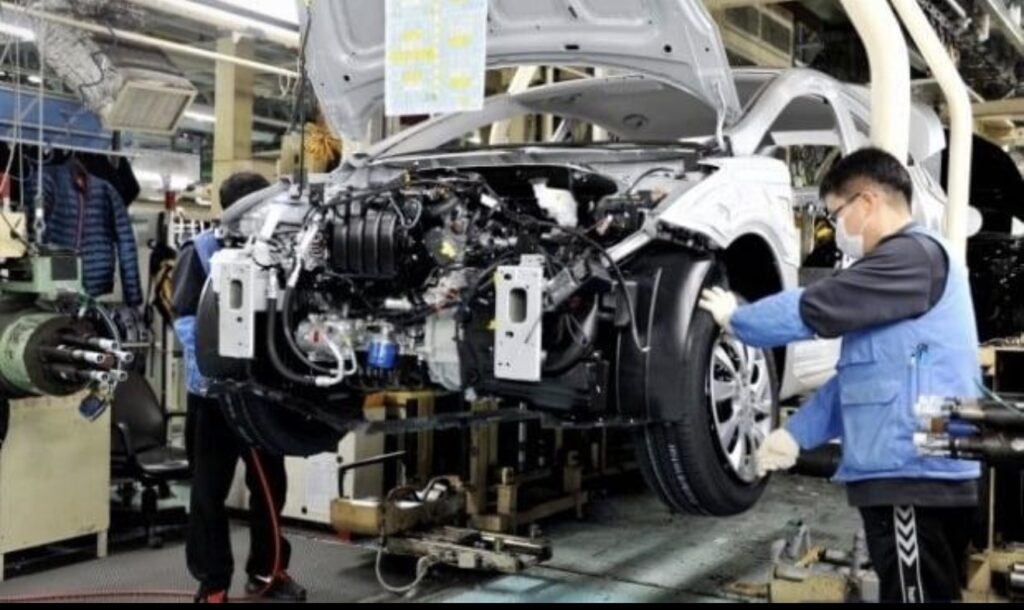
Hyundai Motor’s latest labor agreement has brought a temporary end to a dispute that exposed a deeper challenge facing South Korea’s manufacturing sector: how to protect workers while companies accelerate the adoption of artificial intelligence, automation and robotics.
Hyundai Motor and its labor union reached a tentative wage agreement on Aug. 25, following a dispute that had led to the company’s first full-day strike in a decade on Aug. 21. The agreement still requires approval by union members.
The negotiations focused initially on wages, bonuses and employment conditions. But the discussions also reflected concerns about how technological change could affect the future of manufacturing jobs.
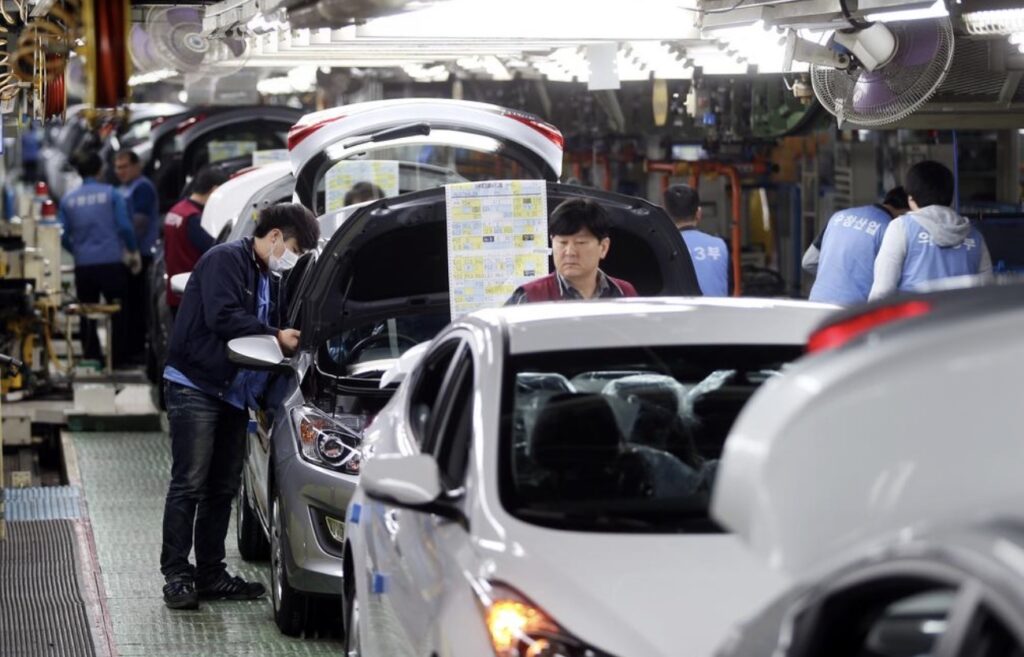
The tentative agreement includes a 4.1% increase in base pay, performance-related compensation and additional benefits. The company and union also agreed on plans to hire new technical workers through 2028.
The employment issue has become increasingly important as Hyundai Motor Group expands its investment in artificial intelligence and robotics.
Automobile production is undergoing a fundamental transformation. Manufacturing plants are increasingly using automated equipment to perform repetitive tasks, while artificial intelligence is being introduced into areas including production management, quality control and vehicle development.
Hyundai Motor Group has also been developing robotics capabilities through its ownership of Boston Dynamics. The group has said that humanoid robots could eventually be used in manufacturing operations, including automobile production.
For workers, the development presents both opportunities and risks.
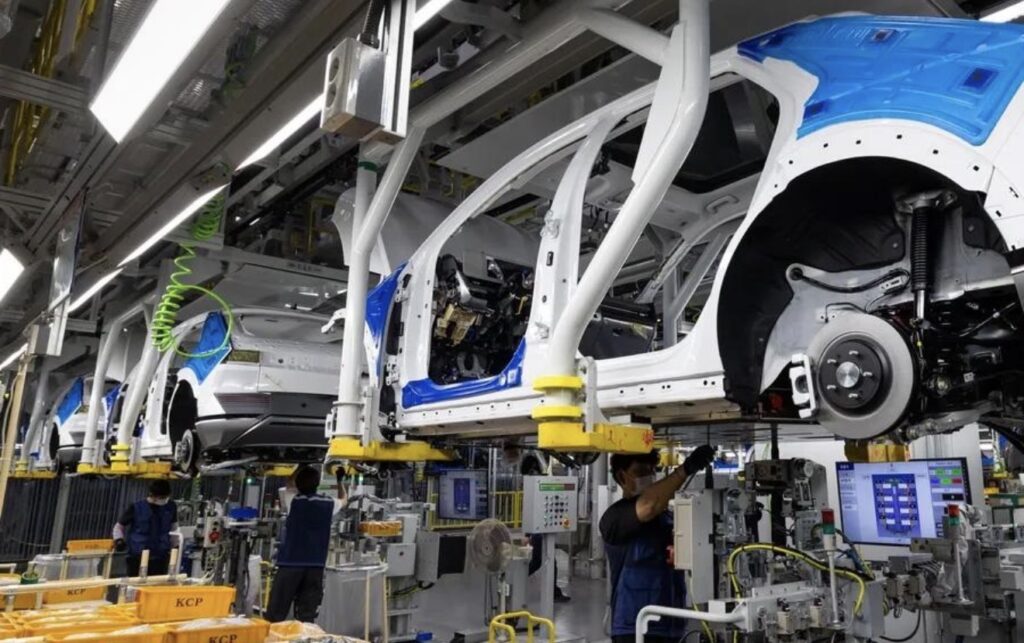
Automation can reduce physically demanding work, improve workplace safety and increase production efficiency. At the same time, it can change the number and type of workers required on a production line.
This has created a new issue for labor relations.
Traditional wage negotiations largely focused on salaries, working hours and benefits. In an increasingly automated manufacturing industry, unions are also becoming concerned about employment security, retraining and how technological investment will affect existing jobs.
South Korea faces another complication: its workforce is aging.
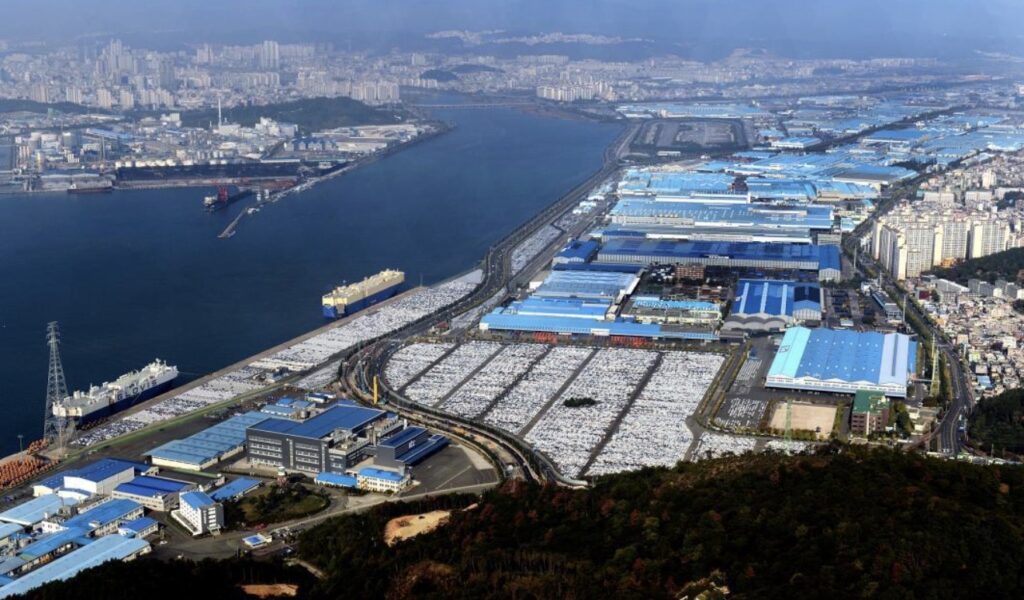
Longer working lives are becoming increasingly important as the country’s population ages. Extending employment for experienced workers can help companies retain technical knowledge and address labor shortages.
However, longer employment can also create concerns about opportunities for younger workers entering the workforce.
The Hyundai agreement illustrates the difficulty of balancing the two generations.
While existing employees are seeking greater employment security and improved working conditions, the company also needs to bring in younger workers with skills suited to increasingly digital manufacturing environments.
The skills required inside a modern automobile factory are changing as well.
Workers who previously focused primarily on mechanical production may increasingly need knowledge of robotics, software, sensors, data systems and automated equipment. This means that vocational education and retraining could become as important as traditional employment protections.
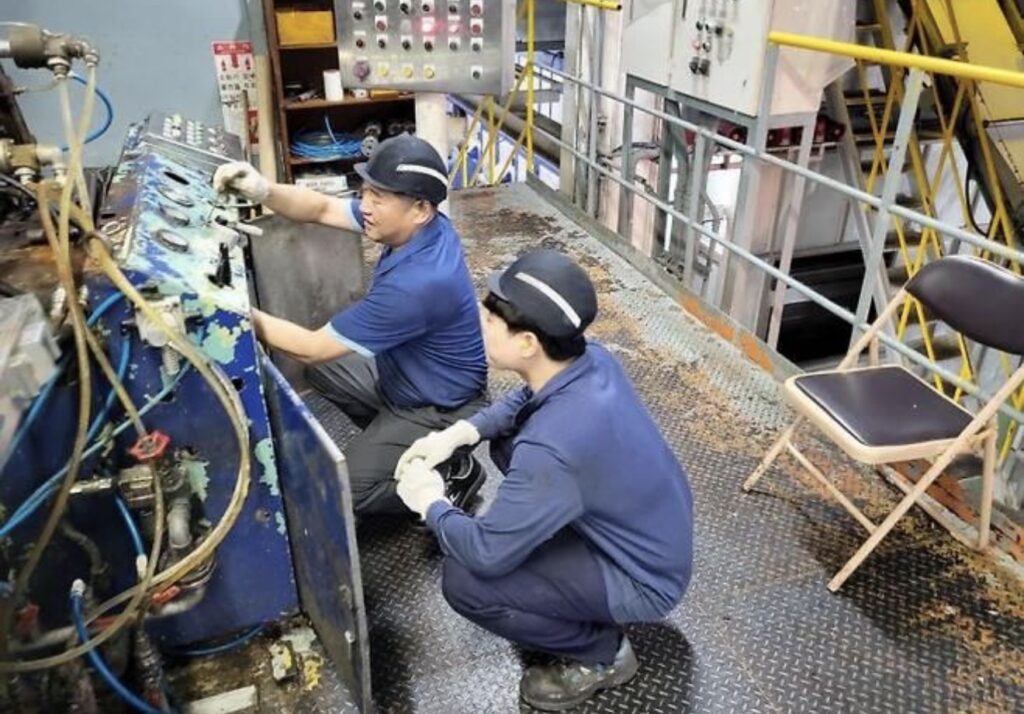
The transformation is not limited to Hyundai.
South Korea’s automotive industry is closely connected to thousands of parts manufacturers, logistics companies and other suppliers. Changes in production technology at major automakers can therefore affect employment throughout the wider manufacturing ecosystem.
The same challenge is emerging in other industrial sectors.
Semiconductor manufacturing, electronics, logistics and chemical production are all increasing their use of automation and artificial intelligence. Companies are under pressure to improve productivity while facing higher labor costs and a shrinking working-age population.
For South Korea, this creates a difficult policy question.
The country needs to remain competitive in industries where automation and artificial intelligence are becoming essential. At the same time, technological progress cannot be separated from the workers whose livelihoods depend on those industries.
The answer may not be a choice between people and machines.
Instead, companies will need to determine how technology can be used to change jobs rather than simply eliminate them, while workers receive opportunities to acquire the skills required for the new production environment.
The Hyundai labor agreement provides a temporary solution to an immediate labor dispute. Its broader significance, however, lies in what comes next.
As artificial intelligence and robotics become increasingly visible on factory floors, South Korea’s labor market will face a new question: how can an aging workforce, younger job seekers and rapidly advancing technology coexist within the same industrial economy?
The answer will likely shape not only Hyundai Motor’s future workforce but also the direction of South Korea’s manufacturing sector in the years ahead
SOPHIA KIM
US ASIA JOURNAL

