


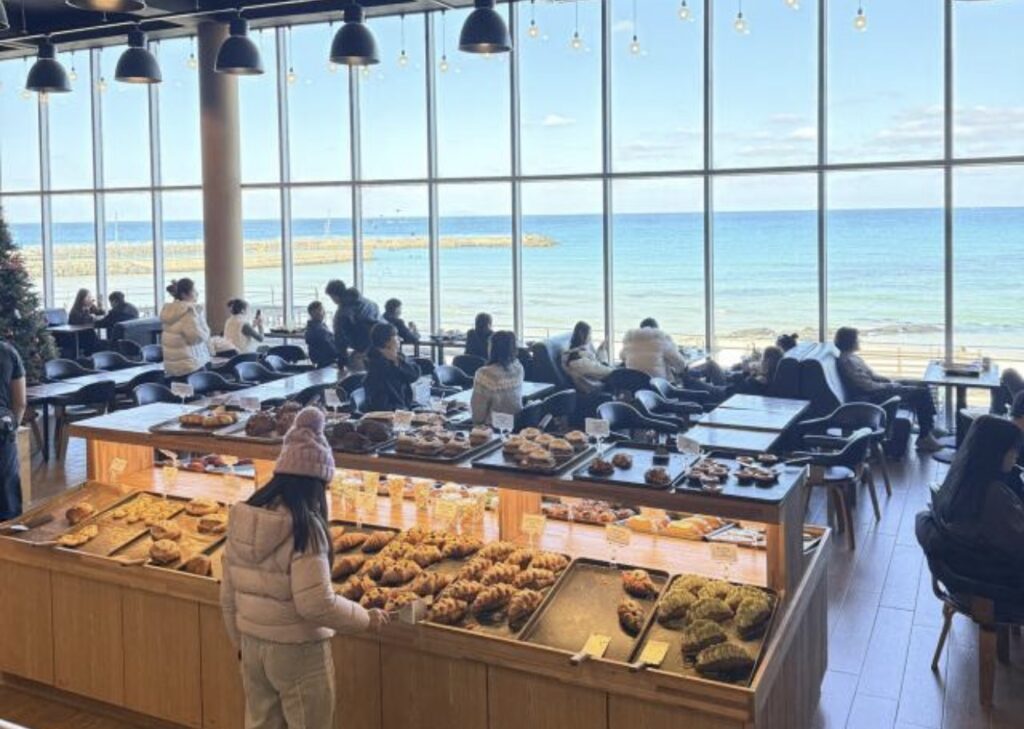
South Korea’s bakery industry is emerging as an unexpected tourism attraction as travelers increasingly seek out artisan bakeries, signature pastries and café experiences that reflect the country’s evolving food culture.
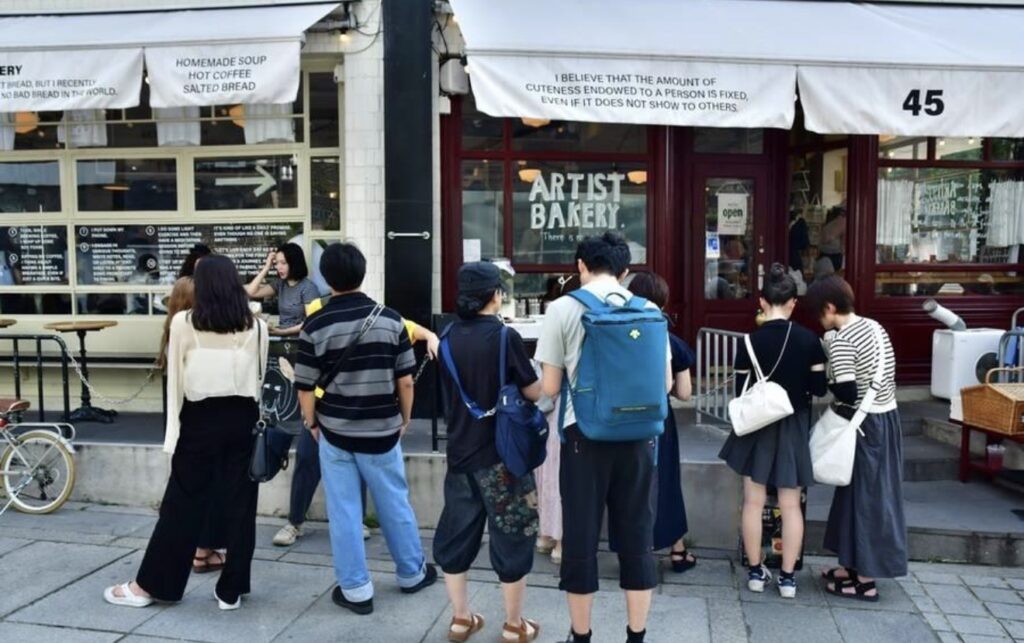
Long recognized internationally for Korean barbecue, fried chicken and street food, South Korea is now gaining attention for a new culinary trend centered on bakeries. Across Seoul and other major cities, visitors routinely queue outside popular bakeries to sample products that have become social media sensations, turning neighborhood cafés into destinations in their own right.
Industry observers say the shift reflects changing travel preferences among younger consumers. Rather than focusing solely on historical landmarks or luxury shopping, many international visitors are searching for everyday experiences that provide insight into local lifestyles. Bakeries have become an ideal example, combining craftsmanship, design and Korean hospitality in a casual setting.


Signature products such as salt bread, butter-filled rolls, fruit sandwiches, cream-filled pastries and premium croissants have become defining features of Korea’s modern bakery scene. Many stores emphasize fresh ingredients, seasonal recipes and visually distinctive presentations, encouraging customers to photograph their purchases before sharing them online.
Social media has significantly accelerated the industry’s global visibility. Videos showcasing freshly baked bread, open kitchens and long customer lines regularly generate millions of views across platforms, inspiring travelers to add well-known bakeries to their itineraries before arriving in Korea.
Unlike traditional bakeries focused primarily on bread sales, many Korean establishments integrate café culture with architectural design, creating spaces where customers spend hours enjoying coffee alongside freshly prepared pastries. Spacious interiors, carefully curated décor and scenic outdoor seating have transformed bakeries into lifestyle destinations as much as food retailers.
Regional cities have also benefited from the trend. Daejeon’s famous bakeries, Busan’s coastal cafés and Jeju Island’s bakery scene have attracted visitors seeking local specialties unavailable elsewhere. Tourism experts note that these destinations encourage travelers to explore neighborhoods beyond major commercial districts, supporting surrounding restaurants and small businesses.
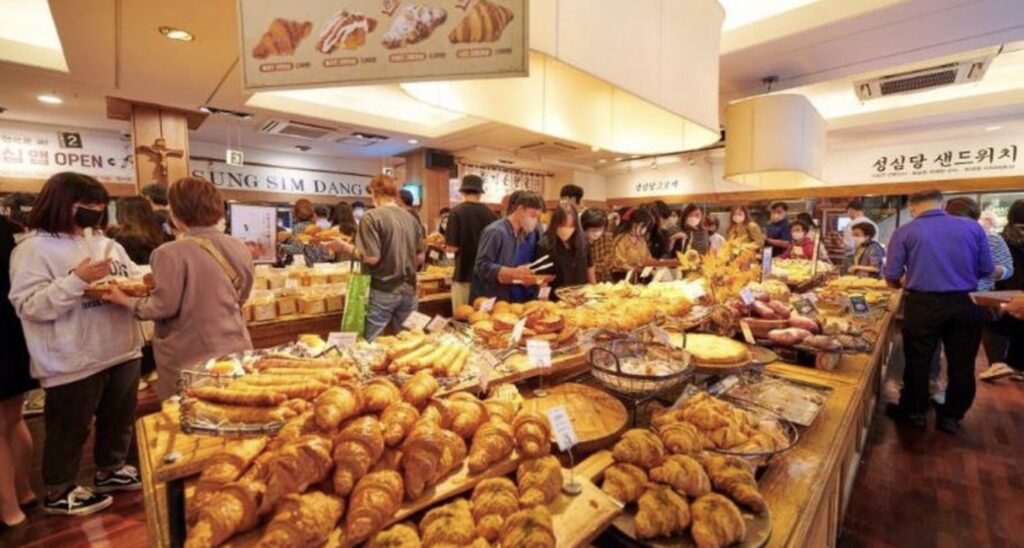
International tourism has further encouraged bakery operators to diversify their offerings. Many stores now provide multilingual menus, digital ordering systems and products designed to appeal to overseas visitors while preserving Korean flavors. Ingredients such as mugwort, black sesame, sweet pumpkin and yuja continue distinguishing Korean bakeries from their international counterparts.
Industry analysts believe the sector’s success is closely connected to the broader global popularity of Korean culture. Interest generated by Korean television dramas, films and online creators has expanded curiosity about everyday aspects of life in Korea, including cafés and neighborhood bakeries frequently featured in entertainment content.
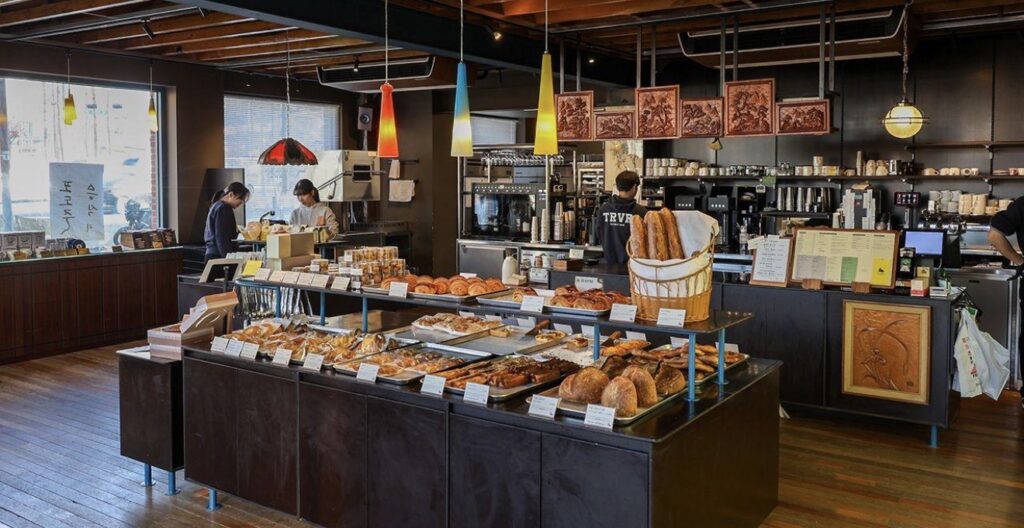
The bakery industry has also become an important platform for culinary innovation. Independent bakers regularly experiment with new recipes while large bakery chains introduce seasonal collections that combine domestic ingredients with European baking techniques. This balance between international influence and local identity has helped Korean bakeries develop a distinctive reputation within Asia’s competitive food market.
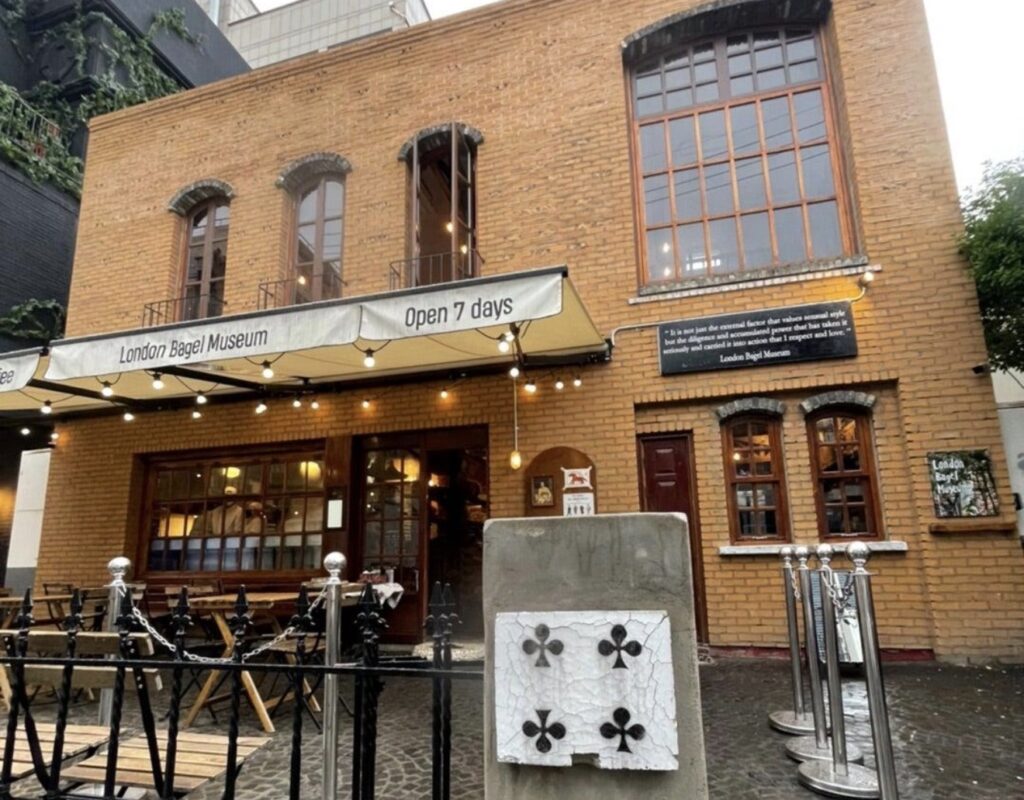
For international travelers, bakery visits increasingly represent more than an opportunity to purchase bread. They provide insight into contemporary Korean consumer culture, where food, design and social experiences intersect. Long waiting lines outside popular stores are often viewed not as inconveniences but as part of the experience itself.
As South Korea continues strengthening its reputation as a global food destination, industry experts expect bakery tourism to remain an important contributor to the country’s visitor economy. By combining creativity, quality ingredients and memorable customer experiences, Korean bakeries have evolved from neighborhood businesses into internationally recognized attractions that complement the country’s expanding culinary identity.
SOPHIA KIM
US ASIA JOURNAL

