


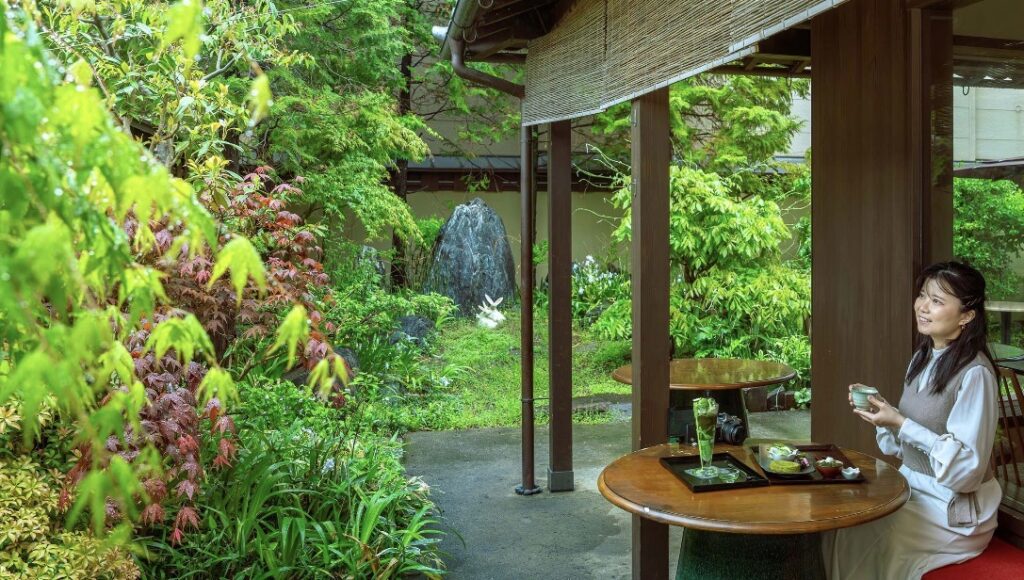
Japan’s centuries-old matcha tradition is experiencing a modern global revival as demand for premium green tea expands beyond traditional tea ceremonies into cafés, restaurants, cosmetics and tourism, transforming one of the country’s oldest cultural products into a rapidly growing lifestyle industry.
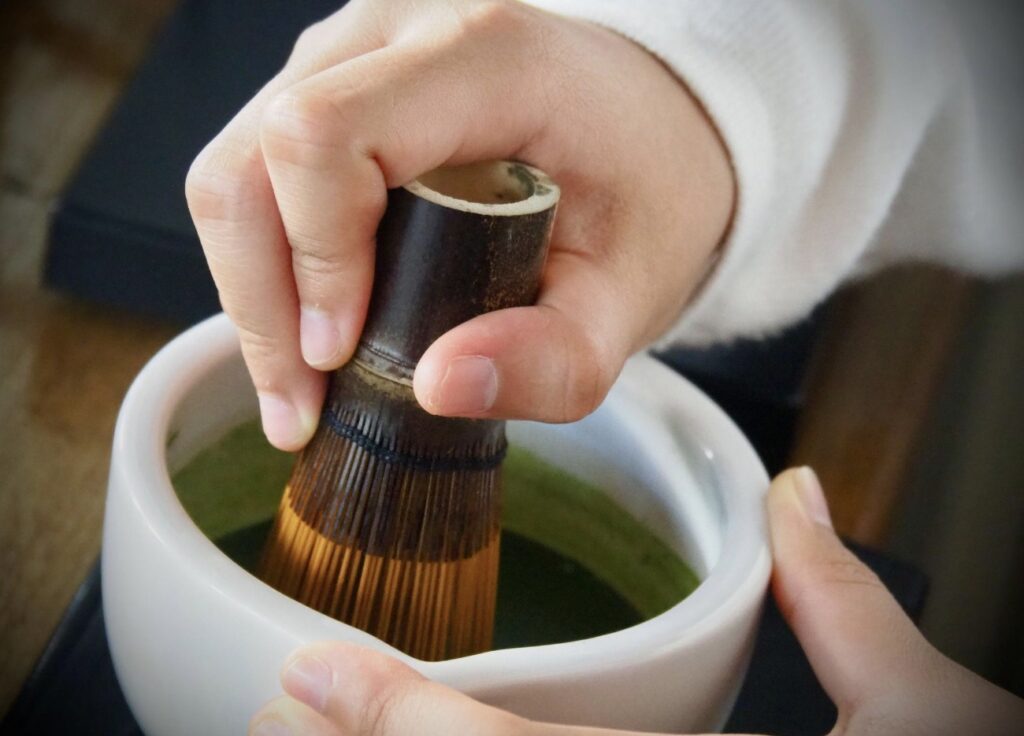
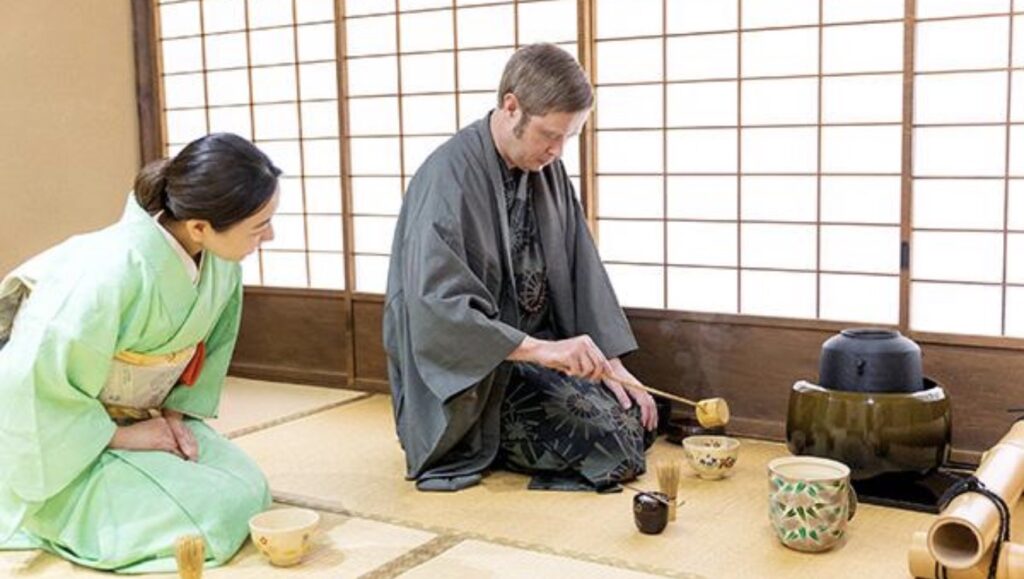
Long associated with Japanese culture and Zen philosophy, matcha has evolved into a mainstream consumer product embraced by younger generations around the world. Once primarily consumed during formal tea ceremonies, finely ground green tea powder now appears in specialty beverages, desserts, baked goods and wellness products sold across North America, Europe and Asia.
Industry observers say the transformation reflects broader changes in consumer preferences. As interest in healthier beverages and authentic food experiences continues to grow, matcha has become increasingly attractive to consumers seeking alternatives to traditional coffee-based drinks while also embracing Japanese culture.
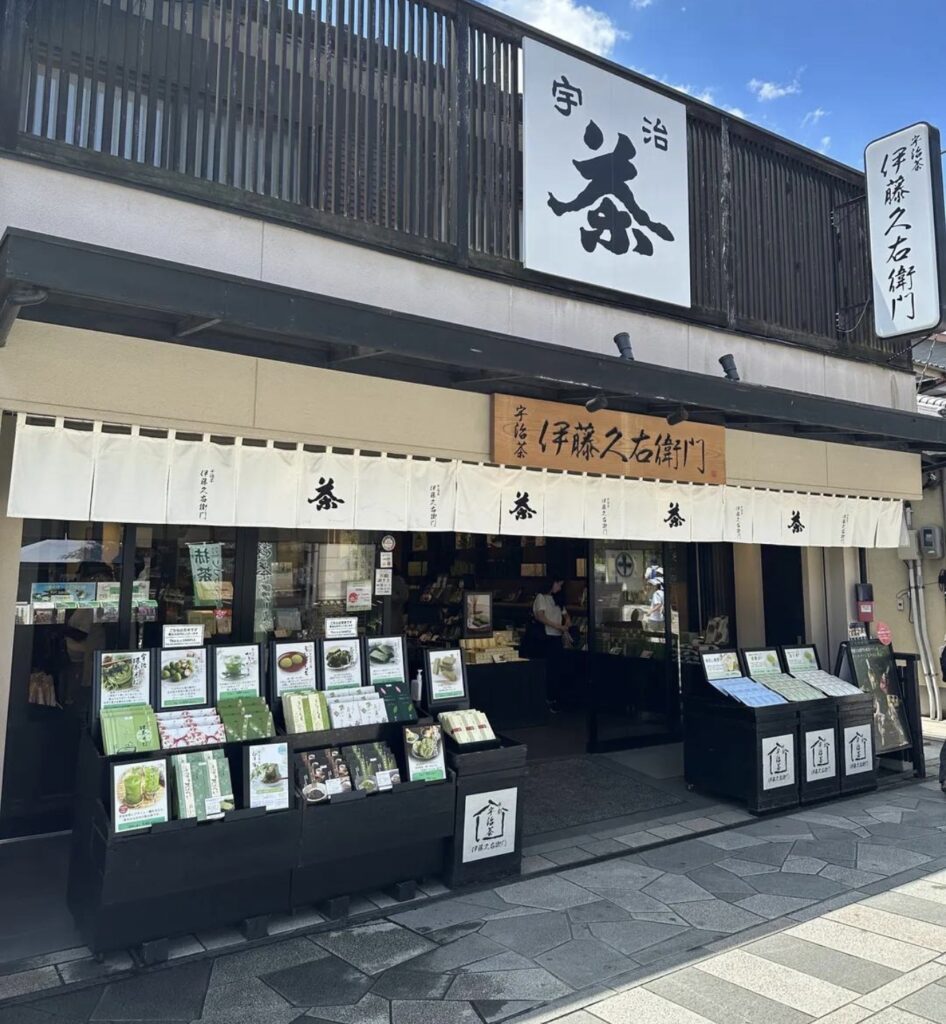
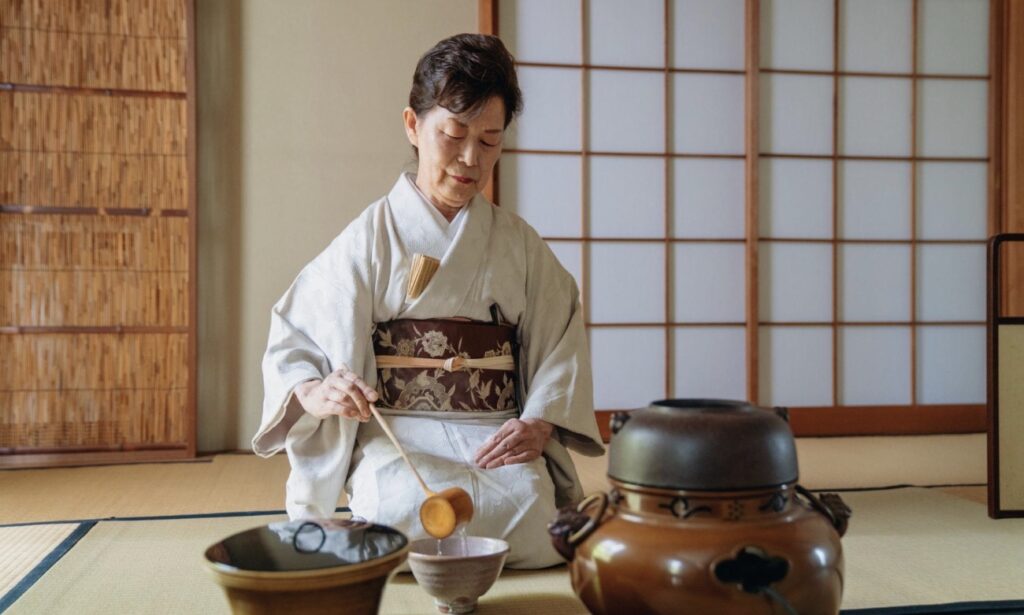
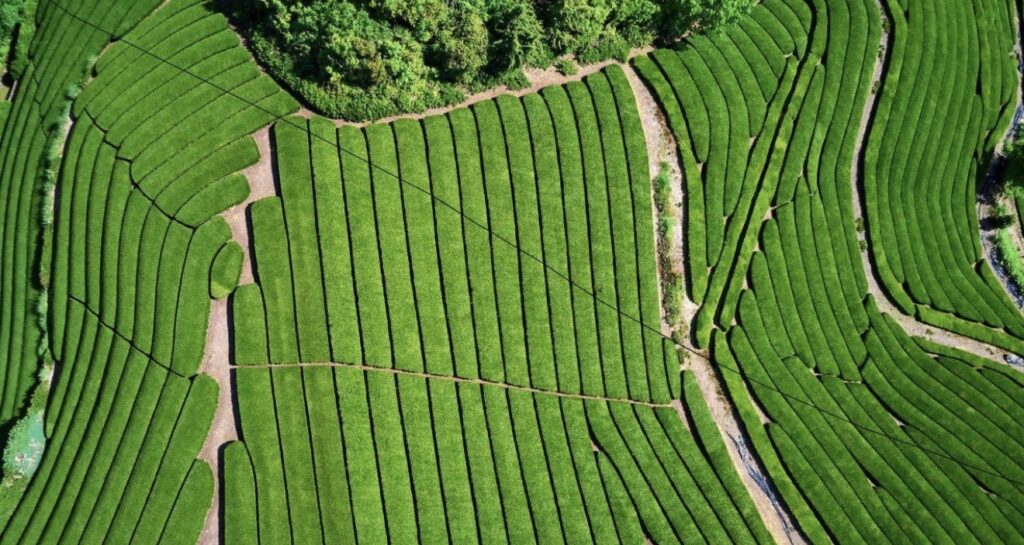
Kyoto Prefecture, particularly the historic city of Uji, remains the symbolic center of Japan’s premium matcha production. Tea plantations in the region continue supplying high-grade leaves used by tea houses, luxury cafés and international beverage companies. Visitors increasingly travel to Uji not only to purchase tea products but also to participate in tea ceremonies, factory tours and hands-on workshops introducing the cultivation and preparation of matcha.
Tourism officials say interest in tea-related experiences has risen alongside international travel to Japan. Rather than limiting their itineraries to famous temples and shopping districts, many visitors now seek opportunities to experience regional food culture, with tea farms and traditional tea houses becoming popular destinations.
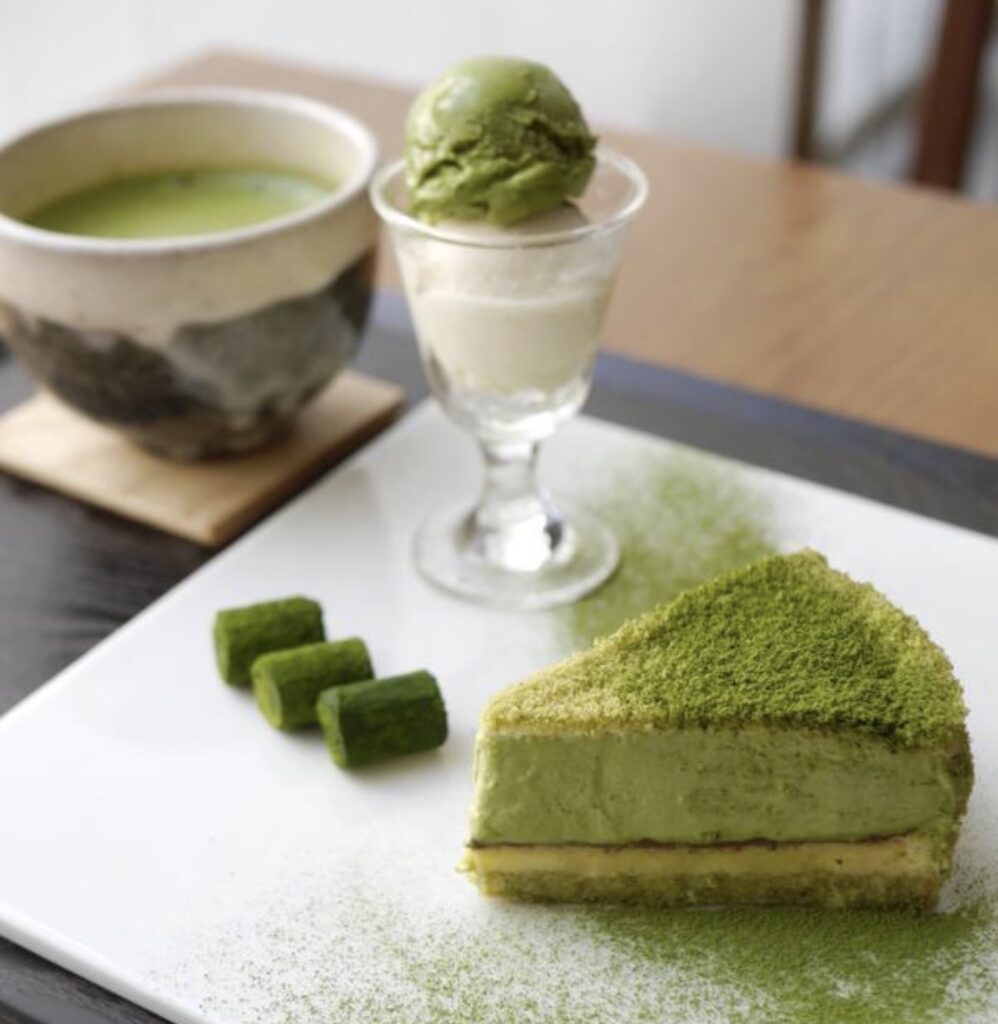
The commercial expansion of matcha extends well beyond tourism. Global coffee chains, independent cafés and dessert brands have introduced matcha-flavored beverages, pastries and seasonal menus that appeal to consumers looking for distinctive flavors. Premium cafés increasingly emphasize ceremonial-grade matcha and traditional preparation methods as part of their branding strategies.
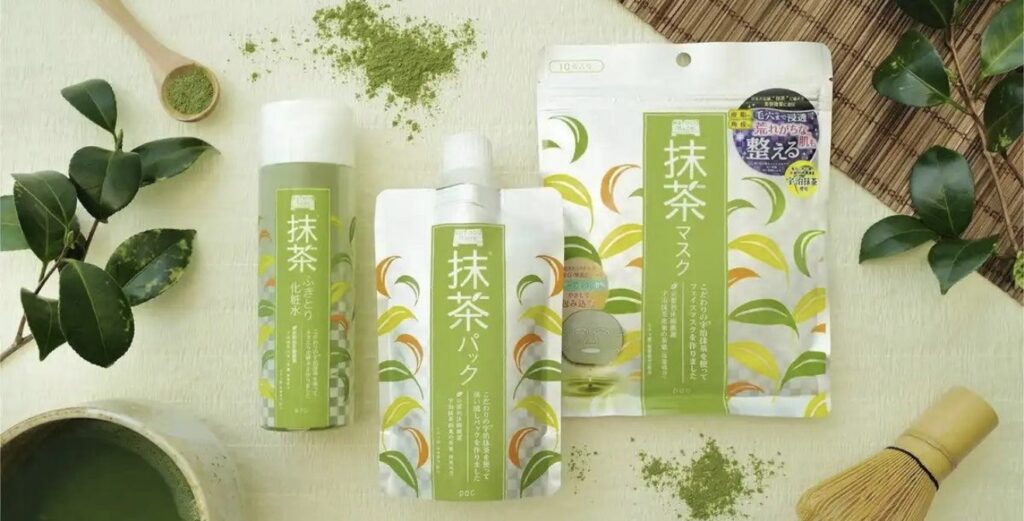
The cosmetics industry has also incorporated matcha into skincare products marketed for their antioxidant properties. Although scientific evidence regarding specific cosmetic benefits varies depending on product formulation, the ingredient’s association with natural wellness has strengthened its commercial appeal in beauty and personal care markets.
Social media platforms have further accelerated international awareness. Videos featuring traditional tea preparation, vibrant green desserts and café recommendations regularly attract millions of views, inspiring travelers to include tea experiences in their travel plans before arriving in Japan. Food influencers have also helped introduce matcha to younger consumers unfamiliar with Japanese tea culture.
For Japanese producers, overseas demand presents both opportunities and challenges. Premium-grade matcha requires careful cultivation, shading techniques and labor-intensive processing that cannot be expanded rapidly. Some producers have reported increasing export orders while emphasizing the importance of maintaining quality standards rather than pursuing rapid production growth.
Industry analysts note that matcha’s popularity illustrates how traditional cultural products can generate new economic value without losing their historical identity. Instead of replacing centuries-old production methods, many businesses are combining heritage with modern marketing, allowing traditional craftsmanship to reach global audiences through digital commerce and international partnerships.
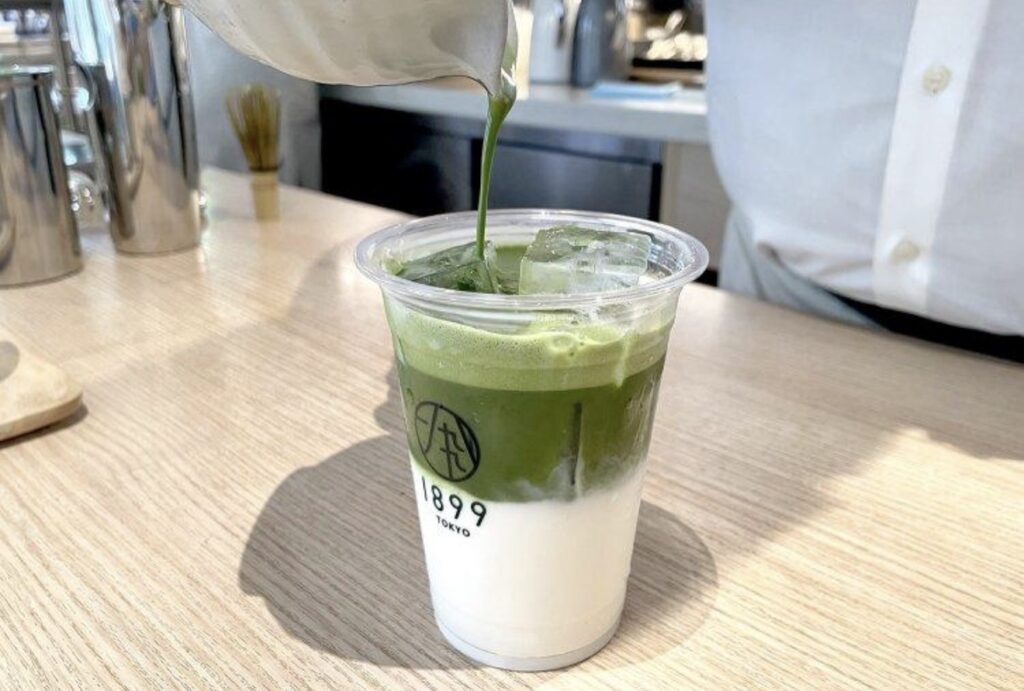
The growing appreciation for matcha has also encouraged renewed domestic interest among younger Japanese consumers, who increasingly view the product as both a symbol of national heritage and a contemporary lifestyle choice. Tea cafés offering innovative beverages alongside traditional preparations have helped bridge generations while introducing cultural practices to new audiences.
As Japan continues promoting regional tourism and cultural exports, matcha is expected to remain one of the country’s most recognizable culinary ambassadors. Industry experts believe its success demonstrates how authentic local traditions can become internationally competitive brands when supported by quality production, cultural storytelling and evolving consumer demand.
For global consumers, matcha now represents more than a beverage. It has become a symbol of Japanese craftsmanship, wellness and everyday culture, illustrating how centuries-old traditions can successfully adapt to the preferences of modern international markets.
SOPHIA KIM
US ASIA JOURNAL

