


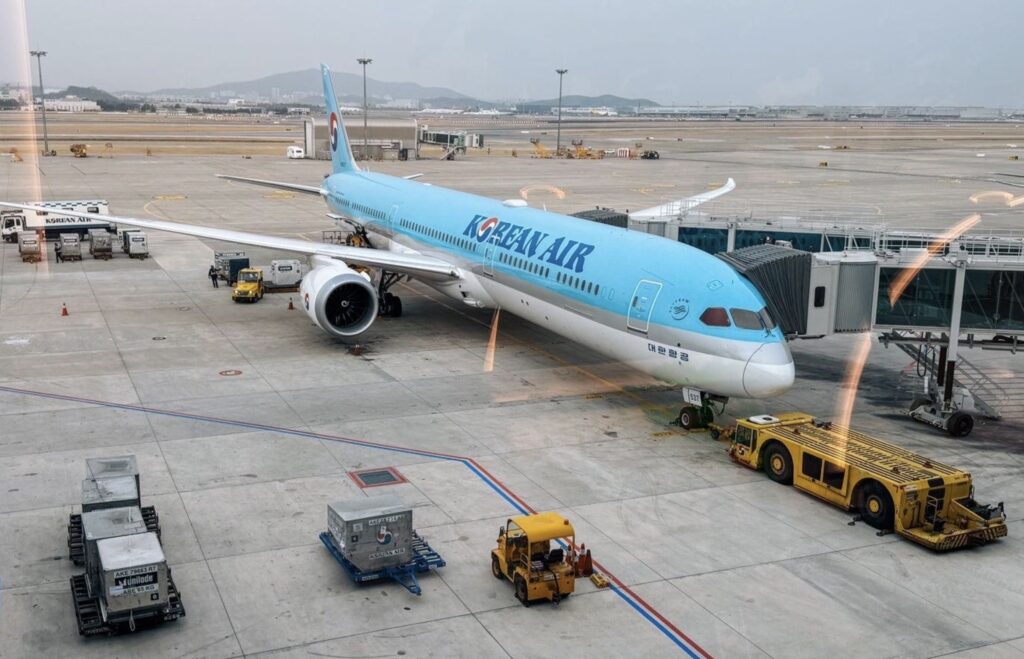
Asia’s airline industry is entering a new stage of recovery, one defined less by rapid expansion than by financial discipline as carriers adapt to volatile fuel markets, evolving travel demand and continued supply-chain constraints.
Unlike the immediate post-pandemic period, when restoring international capacity became the industry’s primary objective, airlines are now placing greater emphasis on sustainable earnings. Executives across the region are increasingly evaluating route performance, aircraft utilization and operating efficiency rather than pursuing network growth for its own sake.
The shift reflects a broader change in the economics of global aviation. Higher operating costs, fluctuating fuel prices and delays in aircraft deliveries have encouraged airlines to maximize returns from existing fleets instead of aggressively adding capacity. Industry analysts say profitability has become the principal benchmark for strategic decision-making.
Across Northeast Asia, airlines continue to benefit from resilient demand for international business travel and premium leisure services. Carriers are investing in cabin upgrades, digital customer services and operational efficiency while focusing on routes that generate stronger yields rather than simply increasing passenger numbers.
Southeast Asian airlines are pursuing a similar approach. Tourism demand remains healthy across several destinations, yet operators are balancing growth with cost management as exchange-rate movements, maintenance expenses and fuel costs continue to influence financial performance. Rather than restoring every pre-pandemic route, many airlines are concentrating resources on destinations with stronger commercial prospects.
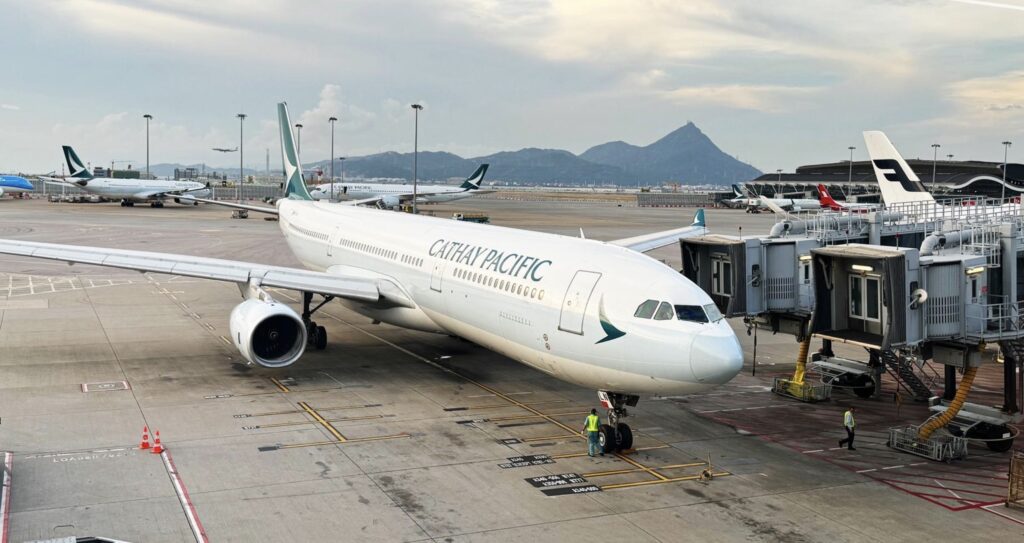
Fleet modernization has become another defining trend. Airlines are introducing newer aircraft capable of improving fuel efficiency and lowering long-term operating expenses. At the same time, shortages in aircraft production have extended delivery schedules, prompting carriers to keep existing aircraft in service longer while increasing investment in maintenance and engineering support.
Market conditions have also reinforced the importance of operational flexibility. Airlines are adjusting schedules more frequently than in previous years, responding to changes in passenger demand, seasonal travel patterns and geopolitical developments that may affect international air corridors.
Industry specialists believe Asia will remain one of the fastest-growing aviation markets over the long term, supported by expanding middle-class populations, increasing regional connectivity and continued demand for international travel. However, future growth is expected to be measured by financial sustainability rather than record passenger volumes alone.
For investors, the aviation sector is entering a period in which operational execution may prove more significant than expansion plans. Airlines capable of maintaining cost discipline while responding quickly to market changes are expected to be better positioned as the industry moves beyond its recovery phase and into a more competitive global environment.
SOPHIA KIM
US ASIA JOURNAL

