


According to the Yomiuri Shimbun, the Ministry of Health, Labor and Welfare decided to apply public medical insurance to non-face-to-face specialized treatment for mental illness in line with the revision of the medical fee in June.
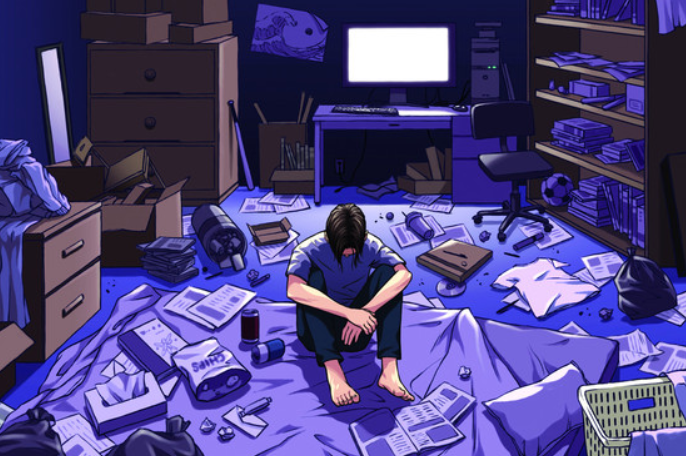
It is a policy to help patients with so-called “hikikomori” (hidden loner) conditions receive treatment in time.
Until now, only basic medical insurance has been applied for psychiatric non-face-to-face treatment, but medical access is expected to increase significantly as fees for professional treatment are recognized in the future.
According to 2022 estimates by the Japanese Cabinet Office, 1.46 million people aged between 15 and 64 in the state of Hikikomori, who rarely come out of their homes or rooms.
Even though some of them suffer from mental illness, they are reportedly unable to visit hospitals due to their reluctance to go out or their desire to move.
With the improvement of the system, psychiatrists will be able to communicate with patients through screens and use professional psychotherapy to help them organize their mindsets and emotions.
However, insurance will be applied only when personnel such as skilled nurses at local health centers visit patient families and recommend treatment, or if there is a cooperative system, such as these personnel being present next to patients during treatment.
Safety measures have also been prepared, such as limiting the prescription of some psychotropic drugs that may be abused.
JULIE KIM
US ASIA JOURNAL

