


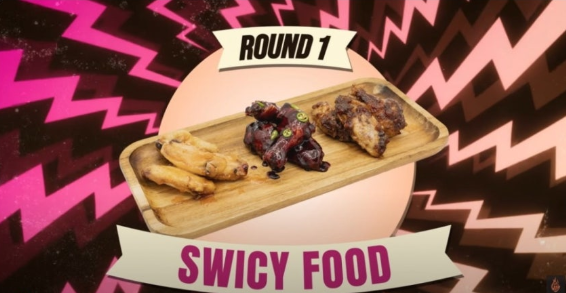
Swicy is a combination of “sweet,” which means sweetness, and “spicy,” which means spicy, and is emerging as a global trend, coupled with the younger generation’s taste to enjoy exotic flavors. In particular, as the combination of “sweet + spicy” such as tteokbokki and seasoned chicken was popularized earlier in Korea, restaurant brands are also actively launching new menus reflecting this. According to the industry on the 13th, the swish food culture, which enjoys both spicy and sweet taste, is affecting the global restaurant industry as a whole. CNN introduced swish as one of the most notable food trends last year, and Good Mythical Morning, a U.S. YouTube channel with 1.3 million subscribers, also highlighted swish food in January with the “2025 Eating Out Trend.”
The popularity of “hot honey,” a spicy and sweet sauce with honey and red pepper, is a prime example of the swish craze. Developed by American Mike Kurtz, it topped the bestseller list in Amazon’s hot sauce category in 2019 and posted annual sales of $40 million last year. TikTok, a video sharing platform, is also attracting as many as 35,000 posts related to hot honey. Starbucks in the U.S. also released three new Spicy Lemonades, a sweet drink with spicy flavor, reflecting last year’s trend.
The trend is not limited to the U.S. Samyang Foods sold a limited number of its pu phat phong curry spicy stir-fried chicken noodles in China last year, but it gained huge popularity as its preparations were sold out early. Analysts say that the combination of the strong spicy taste of the spicy chicken with the sweetness of the coconut has neutralized the spicy taste, which has attracted positive responses from local consumers.

Against the backdrop of the spread of swish culture, the industry points out that as the globalization of food culture has accelerated since the pandemic, interest in various foods in each country has increased, centering on the MZ (millennial + Z) generation. In particular, as Hallyu contents such as K-dramas and K-pop became popular, curiosity about Korean food grew, and as a result, Korea’s unique combination of “sweet + spicy” such as red pepper paste pork belly and seasoned chicken has emerged as a global trend. As this trend spreads, various swish foods are being released one after another in Korea, centering on restaurant brands that sell Western foods such as pizza and hamburgers. Pizza Mall, a pizza brand run by E-Land Eats, introduced its new summer buffet “Play the Pizza Factory” last month. It also introduced Korean buldak Diabola, a traditional Italian pizza, as well as sweet and soft pizzas such as Hawaiian Detroit and Carbono Nocchi. The move reflects consumers’ preference for “sweet + spicy taste.”
Consumer response was also positive. According to Pizza Mall, sales of its buffet restaurants increased by 13 percent over the past week.
“Even in summer, the tendency of customers to pursue a hot taste with heat is leading to the swish trend,” a pizza mall official said. “We are introducing new pizzas every season so that customers can enjoy trendy pizzas.” New products of swish-concept hamburgers are also appearing. Lotteria launched “Kimchi Bulgogi Burger” on the 3rd, adding kimchi taste to the sweetness of bulgogi. The company explained that it operated a pop-up store in Seongsu-dong, Seoul, in October last year, and that it received such a positive response that the cumulative number of visitors for 14 days reached 20,000, leading to the official launch.
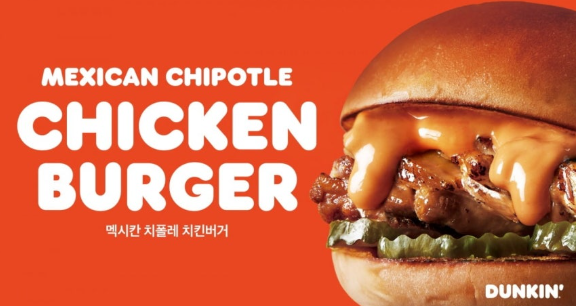
Dunkin, a donut brand, also introduced the Mexican Chipotle chicken burger last month. The menu features a sweet and spicy flavor by using chipotle sauce, which is commonly used in Mexican cuisine.
“As the swicy trend spreads rapidly among young people, products that embody sweet and spicy flavors are gaining huge popularity at home and abroad,” a food industry official said. “We will continue to introduce new products with a variety of flavors targeting consumers’ tastes.”
SALLY LEE
US ASIA JOURNAL

