


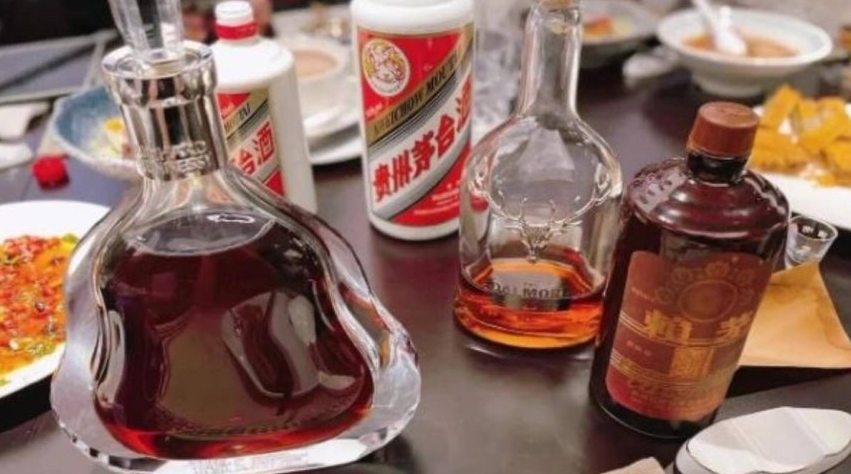
According to Hong Kong’s Sungdo Daily on the 23rd, the Central Discipline Inspection Committee of the Communist Party of China and the National Audit Committee of China released a report the day before on the “Central’s Criteria for Recognizing Clear Violations of Public Officials Regulations.”
According to the report, responding to a breach of regulations is the act of providing or accepting a banquet in violation of regulations.
This includes providing or accepting banquets that can affect the fair performance of official duties, accepting banquets made up of public funds, and organizing or participating in banquets with public funds in violation of regulations.
The report also clarified eight dining spots that officials should not go to, including public-funded banquets, corporate invitations, stakeholders’ meals and entertainment that could disrupt the execution of official duties.
Regarding the question of “who can I eat with,” the report explained that there is no problem if it is a normal meal with family or friends.
However, he drew a line that party members and executives should not accept any invitation to meals that could affect fair execution of official duties, whether public money was spent on meal calculations or not.
The report also pointed out that if the other party invites, meals with subordinates, affiliated organizations, businesses and stakeholders are in violation of regulations for whatever reason or wherever they eat.
In addition, the private club emphasized that it was a violation regardless of whether or not it was affected by the execution of public affairs, regardless of who ate with and who paid for it.
China’s central government has set up guidelines because some local governments have come up with excessive measures, such as banning meals for more than three people or issuing a 24-hour ban on government officials, saying they would prevent factional formation.
Earlier, Chinese President Xi Jinping passed the Chinese version of the Kim Young-ran Act, Paragraph 8, at a Politburo meeting on December 4, 2012, a day after he became general secretary of the Communist Party.
SOPHIA KIM
US ASIA JOURNAL

