


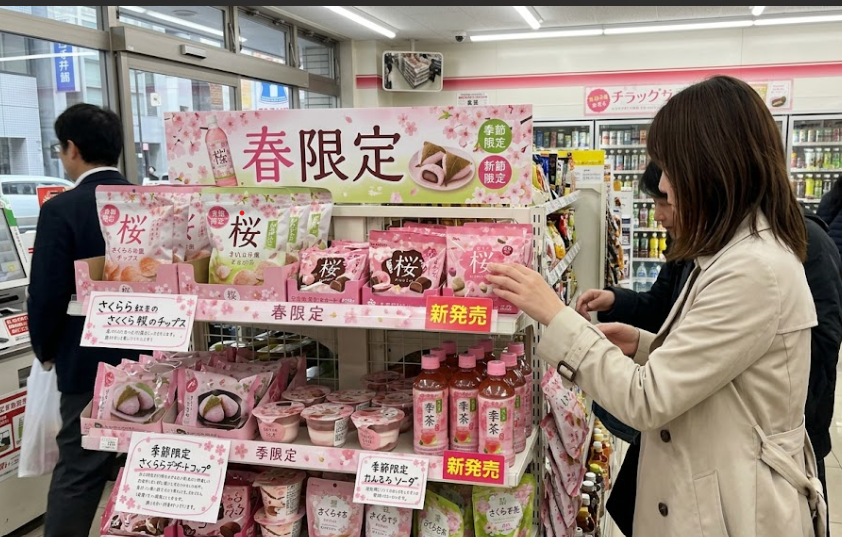
In Japan, the arrival of a new season often brings a familiar ritual: supermarket shelves and convenience stores begin filling with products that will disappear within weeks.
Autumn brings chestnut-flavored sweets, roasted sweet potato snacks and rich seasonal desserts. Spring introduces cherry blossom-inspired treats, while summer brings citrus drinks, chilled desserts and other products designed around warmer weather.
For shoppers, these releases offer a simple way to experience the changing seasons without making major changes to their daily routines.
The appeal goes beyond flavor. Seasonal products give ordinary shopping trips a sense of discovery, particularly when familiar brands introduce variations that are available for only a limited time.
Japan has a long-established food culture that values ingredients when they are at their seasonal best. This appreciation for seasonality extends from traditional sweets and regional dishes to modern packaged snacks and convenience-store desserts.
Food manufacturers have adapted that tradition to contemporary retail. Rather than waiting for customers to seek out seasonal ingredients themselves, brands introduce products that bring those flavors into everyday purchases.
Chestnuts and sweet potatoes, for example, are familiar autumn ingredients. When incorporated into cakes, chocolates, drinks or packaged snacks, they become part of a broader seasonal experience.
Limited availability adds another element. Consumers who know that a product may disappear after a few weeks have a reason to try it sooner rather than postpone the purchase.
For some shoppers, the attraction is also social. Seasonal packaging and unusual flavors provide easy subjects for photographs, reviews and recommendations on social media. A product can become part of a seasonal routine shared among friends, even when the item itself is relatively inexpensive.
The strategy also allows established brands to experiment without abandoning their best-known products. A familiar snack with a new seasonal flavor offers something different while retaining the packaging, recognition and basic appeal customers already know.
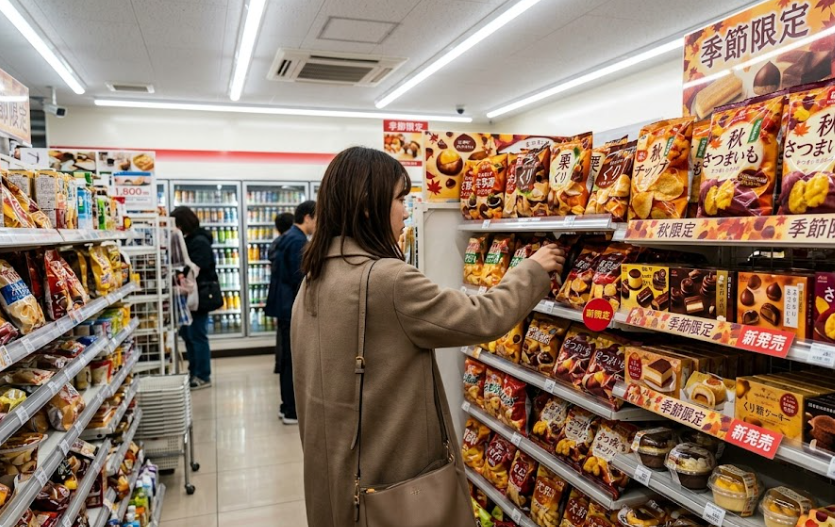
That balance can be particularly useful in a crowded retail market. Instead of introducing an entirely unfamiliar brand, companies can attract attention by giving an existing product a temporary twist.
The approach is visible beyond packaged snacks. Cafés, bakeries and dessert shops regularly introduce menus built around ingredients associated with particular times of year. These offerings encourage repeat visits from customers who want to try something before it disappears.
Yet not every limited-edition product becomes a hit. Consumers may lose interest when seasonal releases feel repetitive, artificial or disconnected from the ingredients they claim to celebrate.
Price also matters. A distinctive flavor or attractive package may encourage a first purchase, but repeat demand depends on whether customers believe the product is worth buying again.
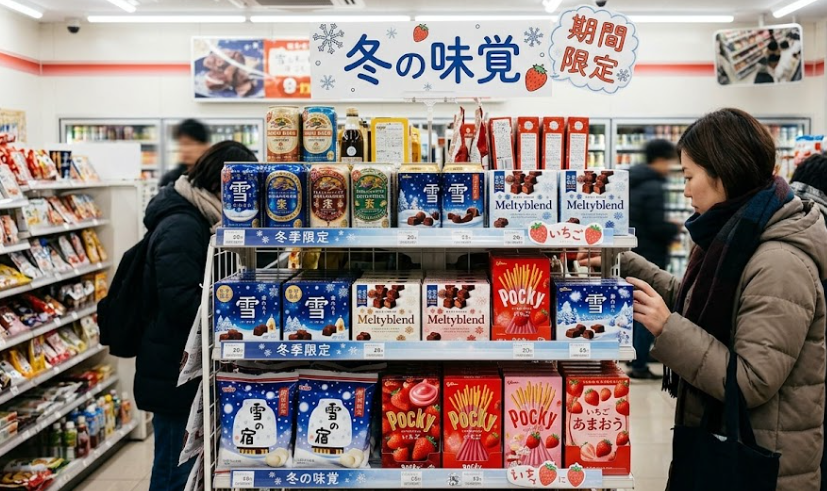
For international visitors, seasonal products have become an accessible way to explore Japan’s food culture. A limited-edition snack can be easier to sample than a full restaurant meal, and some travelers enjoy comparing products that are unavailable in their home markets.
The result is a retail experience in which the calendar becomes part of the shopping trip. Each season brings a changing selection of colors, flavors and packaging, giving familiar stores a slightly different character throughout the year.
Japan’s seasonal product culture shows how a simple idea can connect food traditions with modern marketing. By making everyday items feel temporary and timely, retailers give consumers a reason to look at familiar shelves with fresh interest.
SOPHIA KIM
US ASIA JOURNAL