


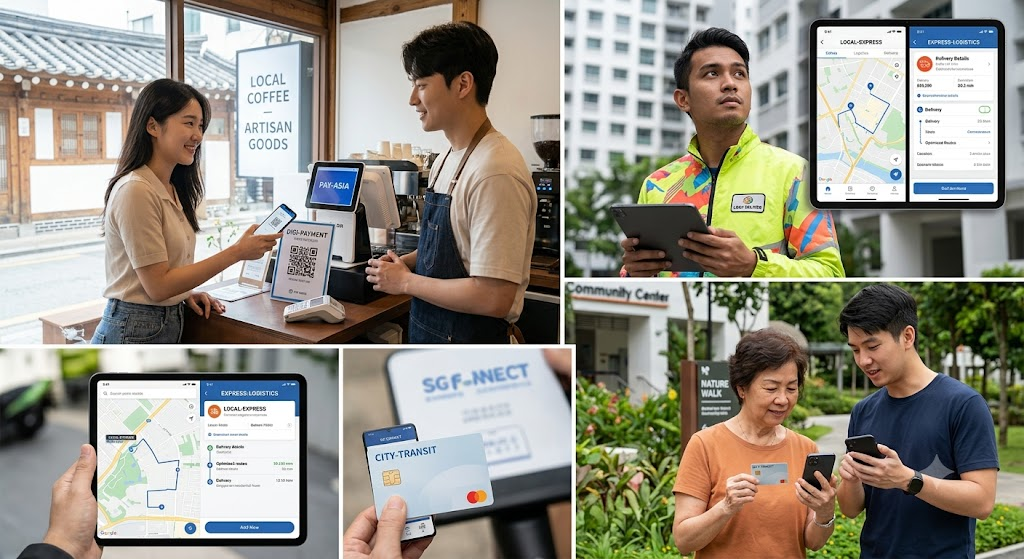
For the average consumer in highly connected Asian societies, digital integration is no longer a matter of convenience—it is the foundational baseline of daily existence.
Moving smoothly from mobile-driven O2O (Online-to-Offline) retail to hyper-efficient logistics networks, digital ecosystems in countries like South Korea and Singapore have fundamentally redefined how daily life operates. Tasks that routinely require multiple steps, separate applications, or physical paperwork in Western markets are routinely consolidated into unified mobile platforms across Asia.
While the United States continues to grapple with fragmented payment gateways, legacy banking infrastructure, and disparate service platforms, Asian urbanites navigate complex daily tasks effortlessly. From ordering bespoke local goods and managing small business inventories to executing instant micro-payments, consumers rely on comprehensive digital environments that prioritize speed and accessibility.
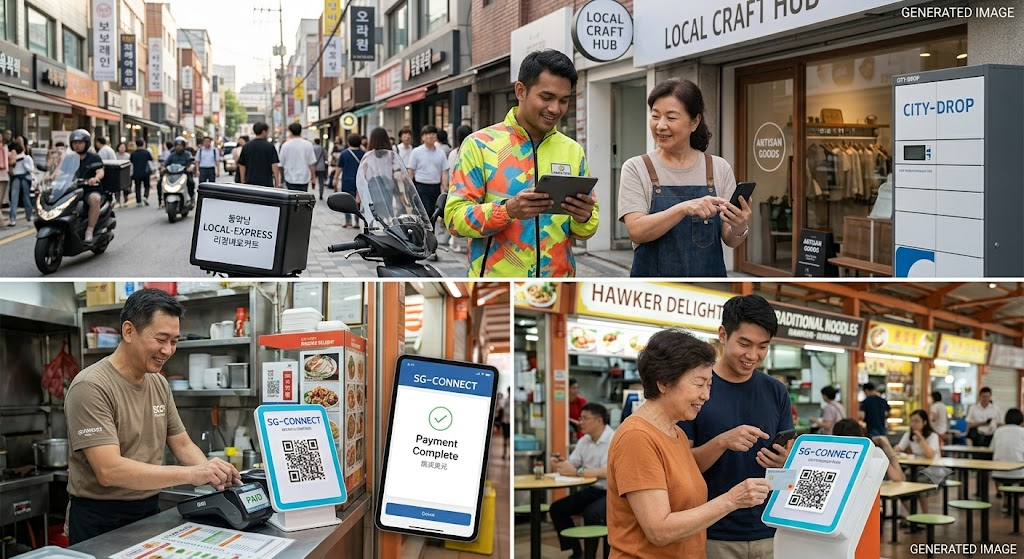
Industry experts emphasize that this high-speed digital adaptation provides a compelling blueprint for Western markets. As U.S. cities and corporations seek to modernize aging infrastructure and elevate consumer convenience, they are looking closely at how Asian platforms integrate multiple services without compromising user data security.
Nevertheless, this high level of connectivity also introduces complex regulatory dilemmas. Issues surrounding data privacy, the digital divide for older demographics, and the heavy reliance on a handful of tech giants require continuous legislative oversight. As digital innovation accelerates, the challenge for lawmakers across Asia is to foster technological advancement while safeguarding consumer rights in an increasingly interconnected world.
SOPHIA KIM
US ASIA JOURNAL

