


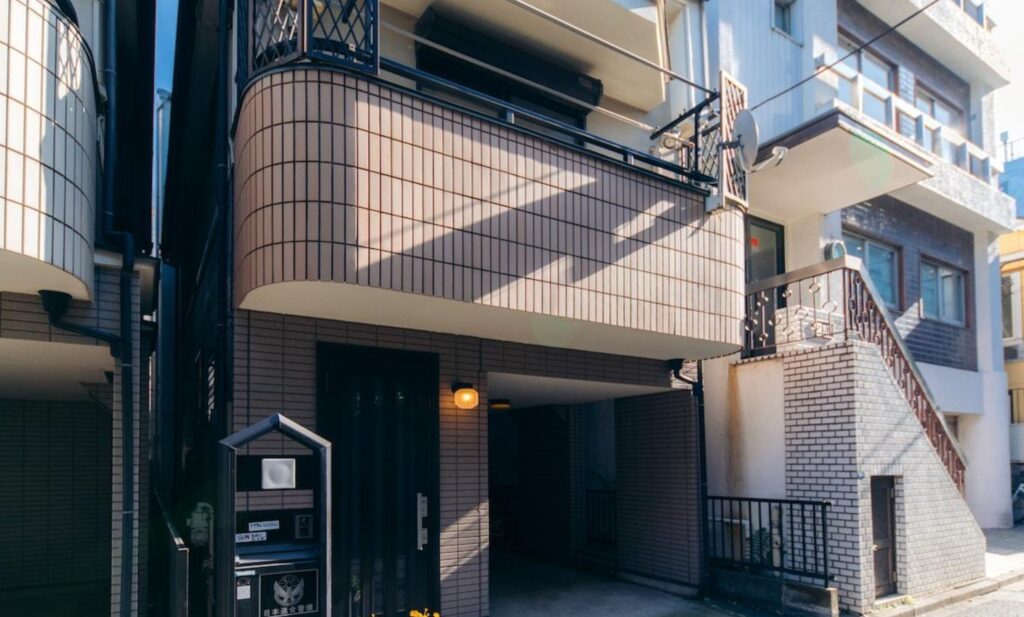
Tokyo’s tourism boom is increasingly creating a difficult question for local communities: how can the city welcome millions of international visitors without allowing tourism to disrupt residents’ everyday lives?
Shinjuku Ward, one of Tokyo’s busiest tourist districts, is preparing tighter restrictions on short-term private accommodation following a sharp increase in complaints from residents.
The ward plans to prohibit new private lodging facilities in residential areas and around schools and cultural facilities.
The proposed rules would also limit operations in commercial areas to 120 days a year.
Existing facilities would eventually be subject to the new restrictions after a two-year transition period.
The move could affect roughly half of the nearly 4,000 short-term rental properties currently operating in Shinjuku.
The district has the largest number of private lodging facilities among Tokyo’s wards.
The number of such properties has increased rapidly in recent years as international tourism has recovered.
But the expansion has also brought complaints from residents.
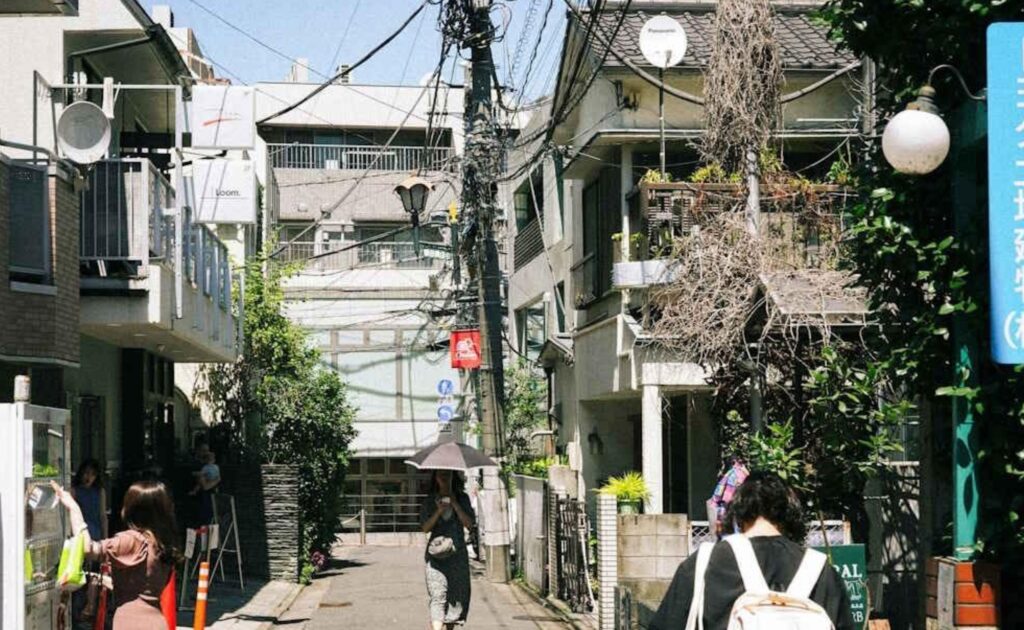
During fiscal 2025, which ended in March, Shinjuku received 1,334 complaints involving private lodging facilities.
The complaints included improper garbage disposal, excessive nighttime noise and smoking in prohibited areas.
Some residents have also reported trespassing and other disturbances.
The number of complaints has risen dramatically compared with previous years.
Shinjuku officials have already taken action against operators who repeatedly violate local rules.
Since December 2025, licenses for five operators and 15 facilities have been revoked.
But officials say enforcement against individual operators has not been enough to resolve the wider problem.
That has led the ward to consider broader restrictions based on location rather than focusing only on individual businesses.
The issue highlights the tension between tourism and residential life in one of Japan’s most visited urban areas.
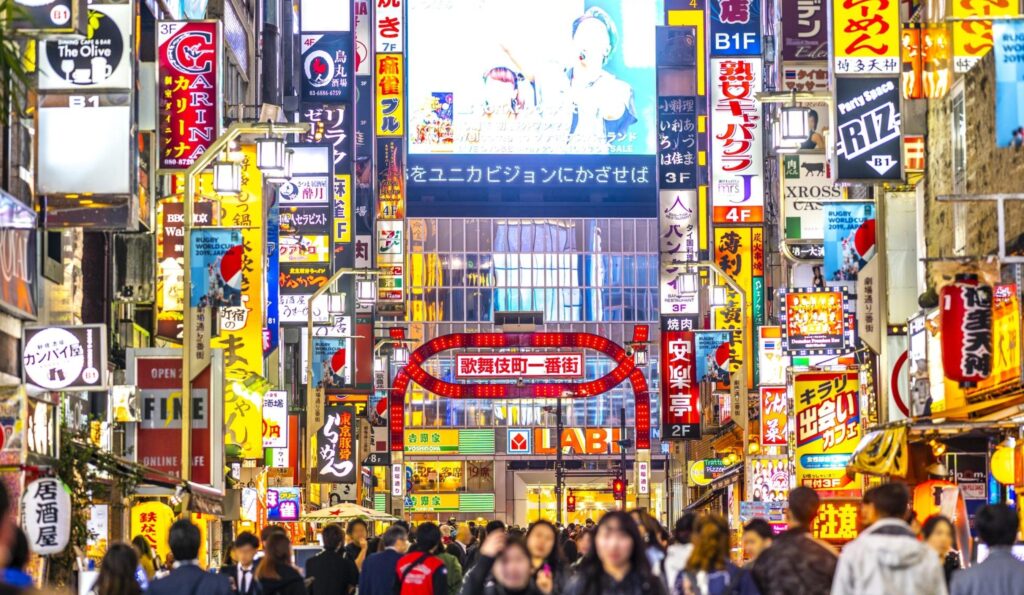
Shinjuku is home to major attractions including Kabukicho, large shopping and entertainment districts and one of the world’s busiest railway stations.
The area has benefited heavily from the return of international tourism.
Hotels, restaurants, retailers and other businesses have gained from the large number of overseas visitors.
But residents do not necessarily experience tourism in the same way.
For people living near short-term rentals, visitors can mean more noise, unfamiliar faces in residential buildings and additional pressure on local waste and public facilities.
The problem has become increasingly important as Japan attracts record numbers of international travelers.
Japan welcomed about 42 million foreign visitors in 2025, a record for the country.
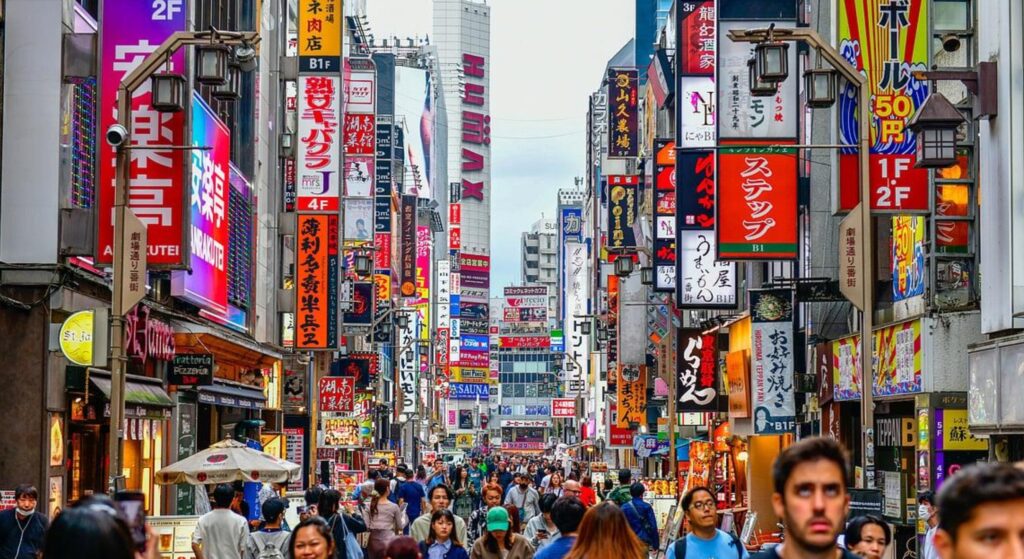
The government is targeting 60 million visitors annually by 2030.
That goal could generate significant economic benefits, but it also raises concerns about whether popular destinations can absorb continued growth.
Shinjuku is not alone.
Kyoto has introduced strict limits on private lodging in residential areas, while other communities near major tourist attractions have adopted measures aimed at reducing overcrowding and protecting local neighborhoods.
The debate is increasingly being described as a question of how to manage “overtourism.”
The challenge is particularly complicated because short-term rentals can provide useful accommodation for travelers.
They can increase the supply of rooms during busy periods and provide visitors with alternatives to hotels.
For property owners, they can also provide an important source of income.
But local authorities must balance those benefits against the impact on permanent residents.
Shinjuku’s proposal therefore represents a shift toward regulating where tourism-related accommodation can operate rather than simply regulating how individual businesses behave.
The ward plans to seek public feedback before formally revising its ordinance.
The final rules could change during that process.
The debate will likely attract attention beyond Tokyo because other major tourist destinations are facing similar problems.

Cities around the world have struggled with the impact of short-term rentals on housing, neighborhood stability and quality of life.
Some have introduced restrictions on the number of days properties can be rented, while others have limited short-term rentals in residential areas.
Tokyo is now confronting the same challenge as its international tourism market expands.
The city’s tourism strategy has traditionally focused on attracting visitors.
The next stage may require greater attention to managing the impact of those visitors after they arrive.
That means ensuring that tourism creates economic opportunities without making local residents feel that their neighborhoods have become permanent tourist zones.
For Shinjuku, the challenge is especially visible because tourism and residential communities exist side by side.
The proposed restrictions are an attempt to draw a clearer boundary between the two.
Tokyo’s tourism success is creating a new policy challenge: finding a balance between the economic benefits of international visitors and the right of local residents to maintain a quiet and stable neighborhood.
SOPHIA KIM
US ASIA JOURNAL

