


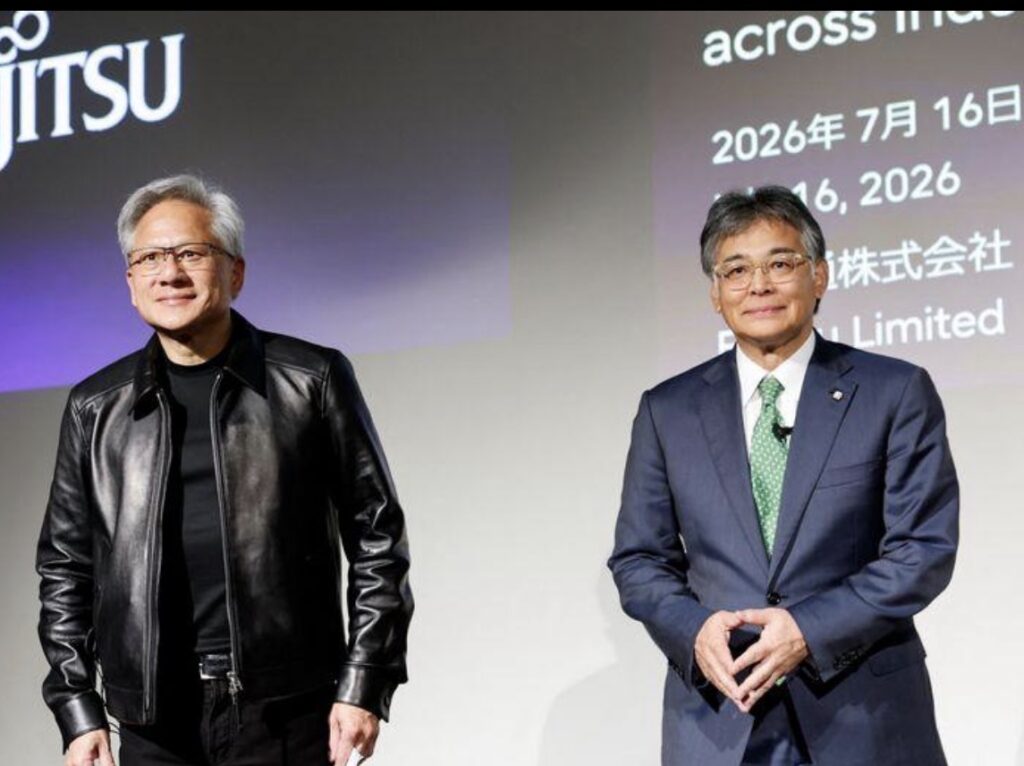
Japan is entering a new phase of its artificial intelligence strategy as NVIDIA deepens partnerships with Japanese companies while LINE Yahoo, the country’s dominant messaging platform, introduces AI-powered services and expands subscription-based features amid growing competition in the digital economy.
The developments come as NVIDIA Chief Executive Jensen Huang visited Japan in mid-July, meeting government officials and executives from major Japanese corporations to discuss cooperation in artificial intelligence, robotics and advanced semiconductor technologies.
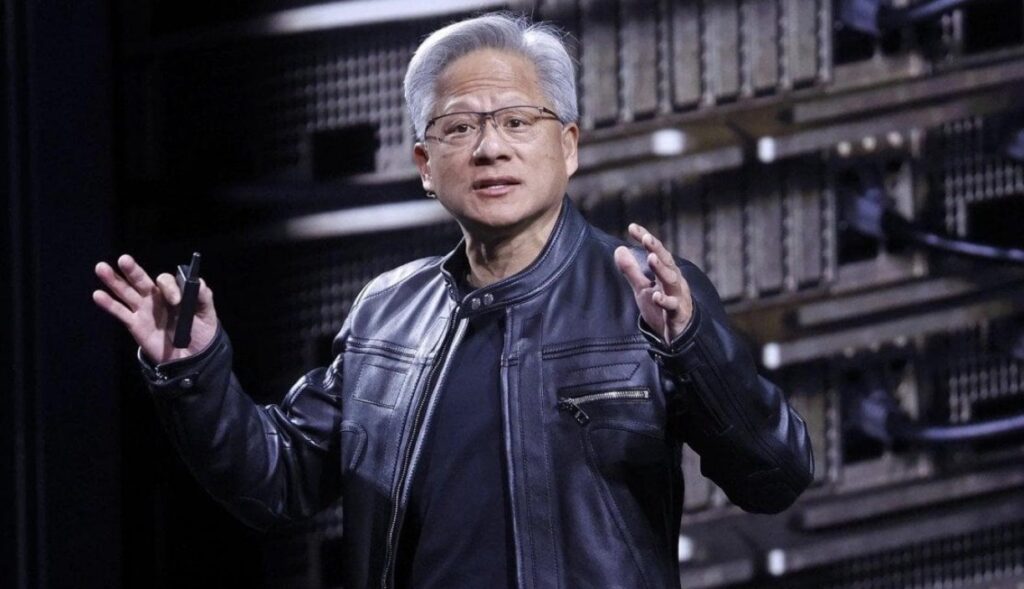
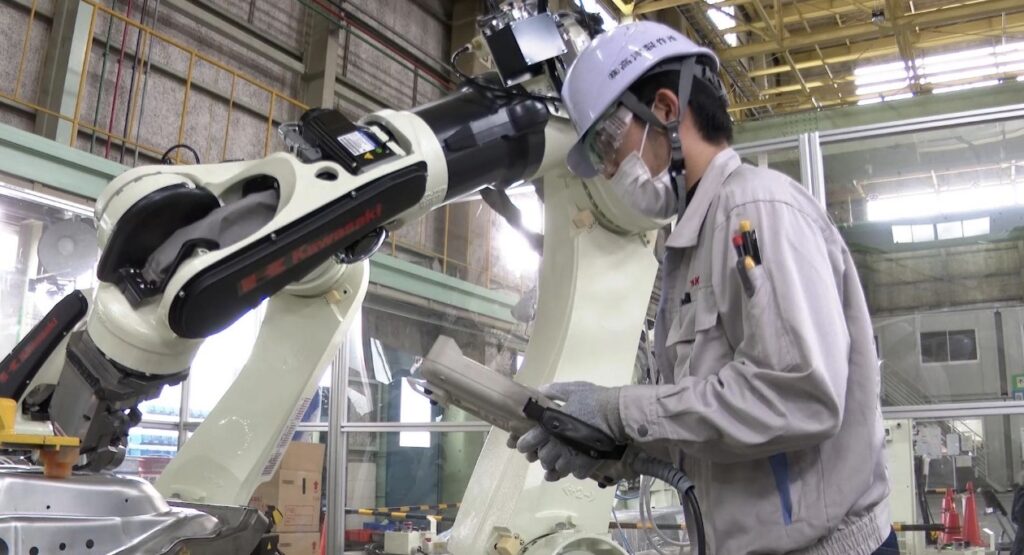
During his visit, Huang emphasized what NVIDIA calls “Physical AI”—AI systems capable of interacting with the physical world through robots, autonomous machines and industrial automation. He described Japan as an important market for the next generation of AI applications, citing the country’s strengths in manufacturing, robotics and precision engineering.
Japan has increasingly positioned AI as a national strategic priority. Policymakers view artificial intelligence as a tool to address labor shortages, improve industrial productivity and maintain the country’s competitiveness in advanced manufacturing.
Several Japanese companies have emerged as potential partners in this effort.
Toyota has been exploring AI technologies for autonomous mobility and intelligent manufacturing, while memory chip producer Kioxia continues expanding research into high-performance storage technologies required for AI data centers.
Mitsubishi Heavy Industries has increased investments in industrial automation and smart manufacturing systems, reflecting broader efforts to integrate AI into heavy industry.
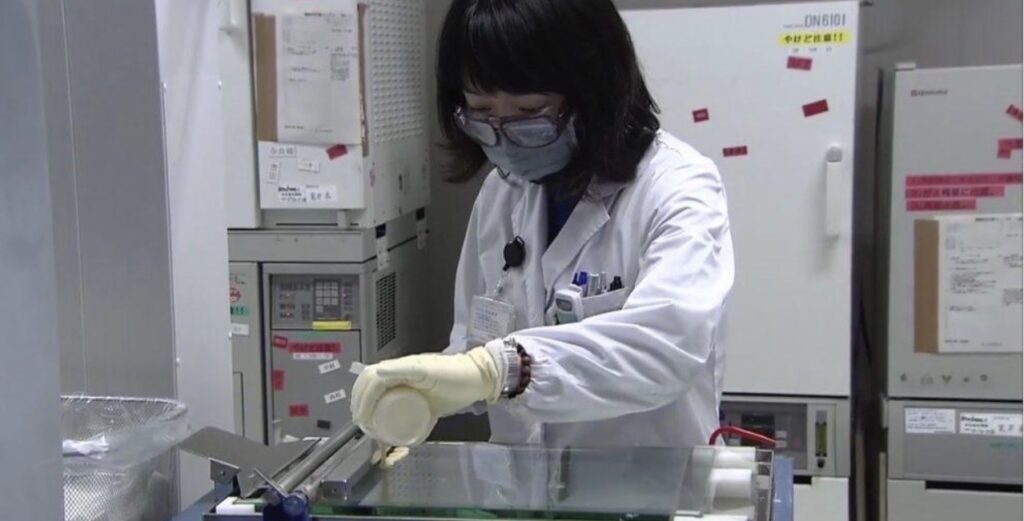
Ajinomoto, better known globally for its food products, has also become an important supplier to the semiconductor industry through its Ajinomoto Build-up Film (ABF), an insulating material widely used in advanced semiconductor packaging. As demand for AI processors grows, semiconductor packaging materials have become increasingly important components of the global AI supply chain.
Industry observers say Huang’s meetings demonstrated NVIDIA’s intention to strengthen relationships across Japan’s industrial ecosystem rather than focusing solely on chip sales.
However, analysts also note that many discussions remain at the cooperation stage rather than representing finalized commercial agreements.
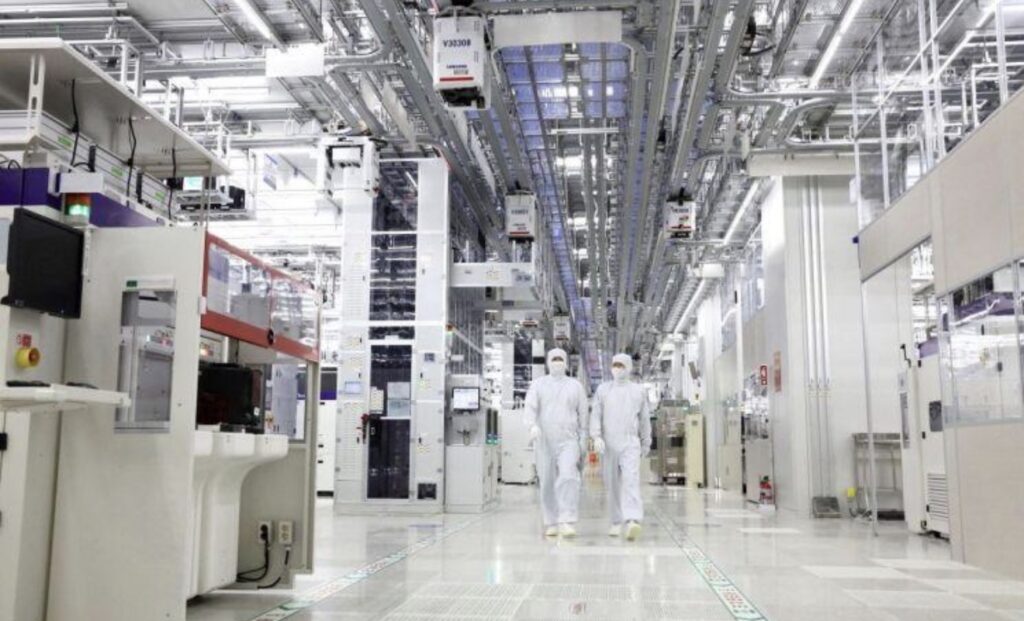
Questions have also surrounded Japan’s domestic semiconductor ambitions, particularly Rapidus, the government-backed chip manufacturer established to develop next-generation semiconductors.
When asked about Rapidus during his visit, Huang expressed optimism about the company’s future and described its long-term opportunities as promising. He did not announce that NVIDIA would manufacture products using Rapidus technology, indicating that discussions remain focused on future potential rather than confirmed production partnerships.
Similarly, Japanese AI infrastructure initiatives continue to develop through cooperation between domestic companies and global technology providers.
Projects supported by major corporations including SoftBank, NEC and Sony are expanding AI computing capabilities, while NVIDIA continues supplying advanced GPU technology that powers many of these systems.
Alongside Japan’s industrial AI expansion, LINE Yahoo is pursuing its own transformation.
Celebrating the 15th anniversary of the LINE messaging service in Japan, the company has announced a series of new subscription offerings and AI-powered functions designed to diversify revenue beyond digital advertising.
The platform plans to introduce additional premium features, including expanded message management tools, customizable user options and enhanced cloud-based functions available through monthly subscriptions.
LINE Yahoo is also investing in AI services that will allow users to search for restaurants, organize schedules, manage photos and receive personalized shopping recommendations directly within the application.
The company aims to create a more integrated digital ecosystem where communication, payments, shopping and AI assistance operate through a single platform.
While many technology companies globally are adopting similar “super app” strategies, the expansion has generated mixed reactions among some Japanese users.
Online discussions have shown that some users welcome the addition of AI-powered productivity tools, while others argue that messaging applications should remain simple communication platforms rather than expanding into multiple digital services.
Privacy has also remained an important issue.
Earlier this year, LINE Yahoo disclosed an incident involving user information after data associated with one of its gaming services was inadvertently transmitted during advertising system configuration. The company said the issue resulted from an operational error rather than an external cyberattack and implemented measures to prevent similar incidents.
Although the company stated that the problem had been addressed, the incident renewed public discussion about data governance and information security for digital platforms that have become part of everyday life in Japan.
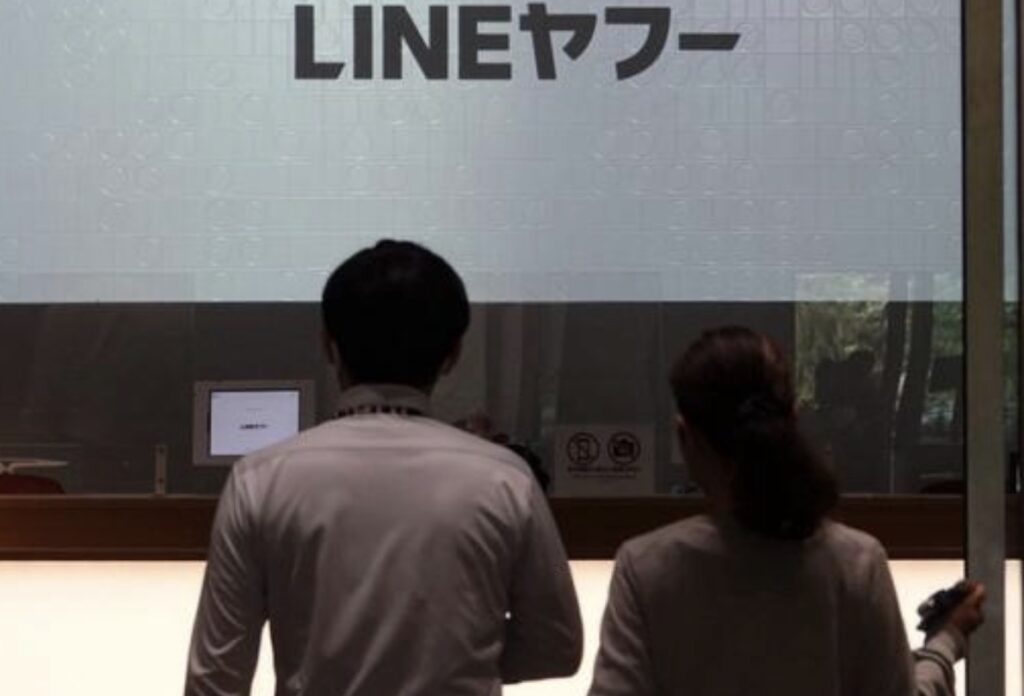
LINE occupies a unique position in the Japanese market.
Unlike messaging applications in many countries, LINE functions as essential communication infrastructure for millions of users and is widely utilized by local governments, businesses, schools and public organizations.
Because of this widespread adoption, industry analysts believe the company’s challenge will be balancing innovation with reliability.
As Japan simultaneously advances national AI initiatives and expands digital services for consumers, the coming years are expected to test whether companies can successfully introduce new AI capabilities while maintaining user trust, protecting personal information and preserving the simplicity that originally drove their popularity.
SAM KIM
US ASIA JOURNAL

