


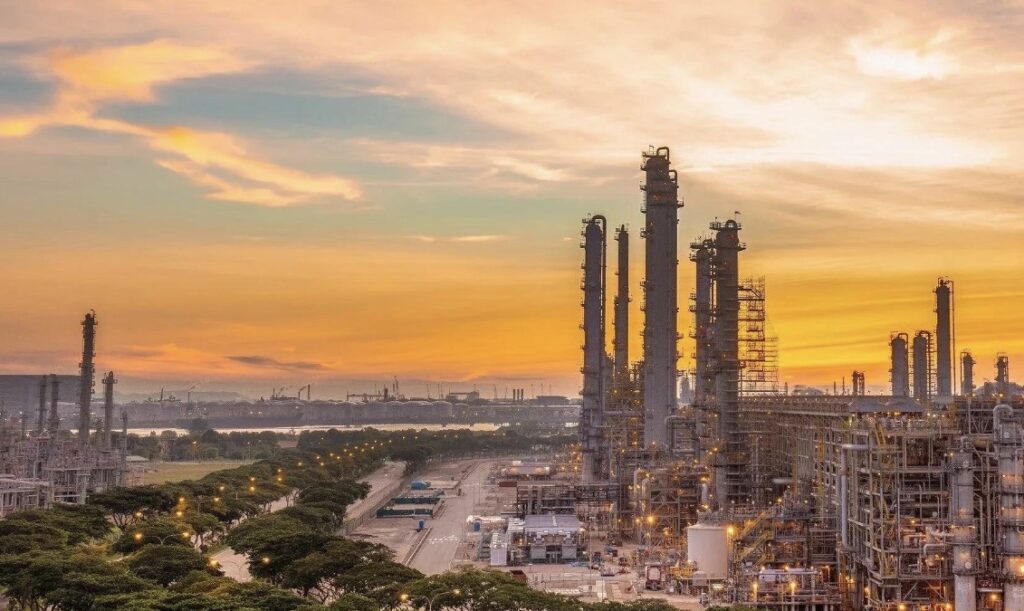
Global oil markets are entering a period of renewed uncertainty as attention shifts from supply constraints toward the strength of demand, with Asian economies emerging as the key indicator of whether the market can absorb additional crude production in the second half of the year.
The latest production adjustments by OPEC+ have eased immediate concerns over supply shortages, but analysts say the broader market is now being driven less by output decisions and more by expectations for economic activity across Asia, Europe and North America.
Energy traders are closely monitoring industrial production, freight activity and consumer spending throughout Asia, where China, India, Japan and South Korea collectively account for a substantial share of global energy consumption. While manufacturing activity has stabilized in several economies, demand growth remains uneven as exporters continue to navigate slower global trade and higher financing costs.
For governments across Asia, energy security has become as important as energy prices. Countries that rely heavily on imported crude are expanding strategic reserves, strengthening supply-chain resilience and seeking greater diversification of import sources to reduce exposure to geopolitical disruptions.
Lower production costs remain critical for export-oriented economies. Stable oil prices can help manufacturers manage transportation expenses and preserve competitiveness in industries ranging from automobiles and electronics to chemicals and shipping. Conversely, prolonged volatility would increase pressure on corporate margins and complicate inflation management for central banks across the region.
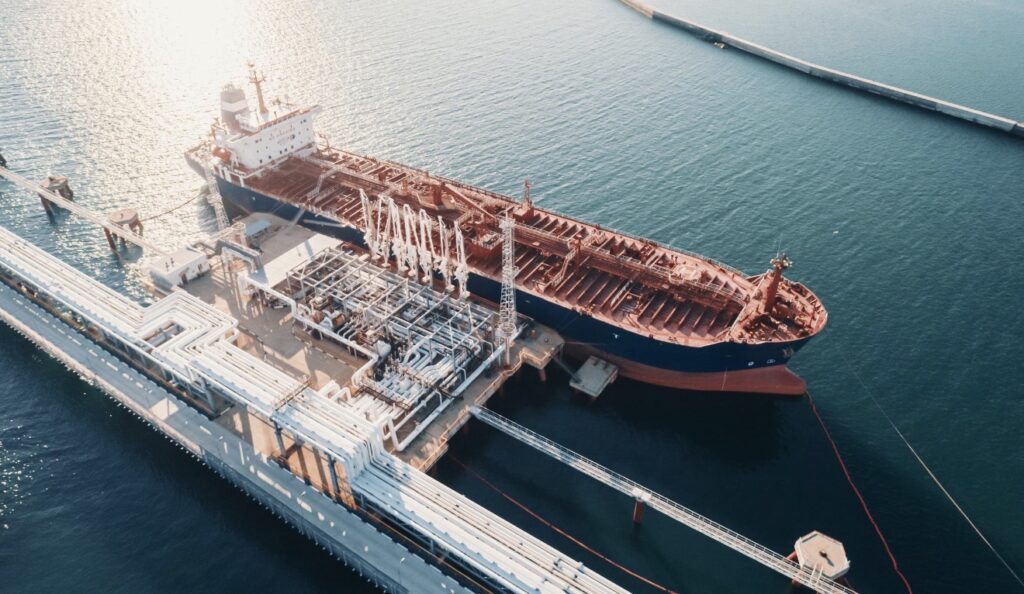
Market participants are also paying close attention to shipping routes linking the Middle East and Asia. Although supply conditions have improved compared with earlier disruptions, traders continue to factor geopolitical risks into pricing as uncertainty surrounding regional security persists.
Economists say the global oil market has entered a more balanced stage in which demand expectations carry greater influence than production headlines alone. Rather than reacting solely to changes in output quotas, investors are increasingly evaluating whether economic growth can sustain fuel consumption through the remainder of the year.
Asia remains central to that outlook. Continued investment in manufacturing, digital infrastructure and transportation is expected to support long-term energy demand, but the pace of recovery will depend on business confidence, trade conditions and household consumption.
As governments and businesses prepare for the second half of the year, attention is shifting beyond the volume of oil produced to the resilience of the global economy itself. The direction of demand, rather than supply alone, is likely to determine the next phase of the energy market.
SOPHIA KIM
US ASIA JOURNAL

