


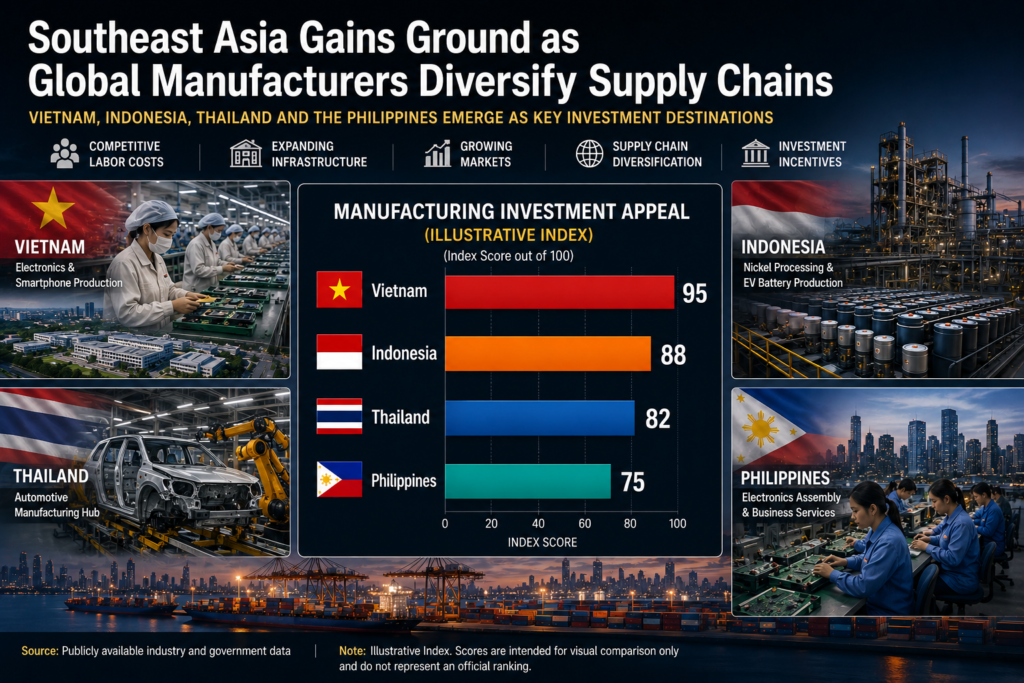
Southeast Asian economies are attracting increased manufacturing investment as multinational companies expand production networks beyond China and seek greater resilience in global supply chains.
Countries including Vietnam, Indonesia, Thailand and the Philippines have emerged as major destinations for new industrial projects, benefiting from shifting trade patterns and efforts by companies to diversify manufacturing operations.
Governments across the region have introduced measures aimed at attracting foreign direct investment, including tax incentives, industrial development initiatives and infrastructure upgrades. The policies have helped support investment in sectors ranging from electronics and automotive production to consumer goods and advanced manufacturing.
The trend has gained momentum in recent years as companies reassess supply chain risks following disruptions caused by the pandemic, geopolitical tensions and changing trade policies.
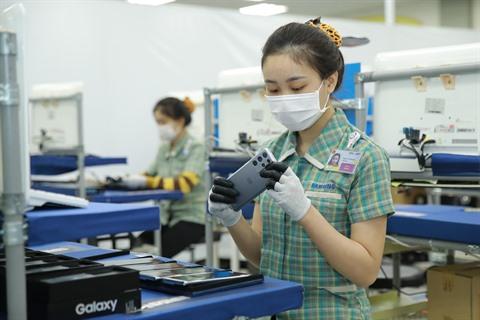
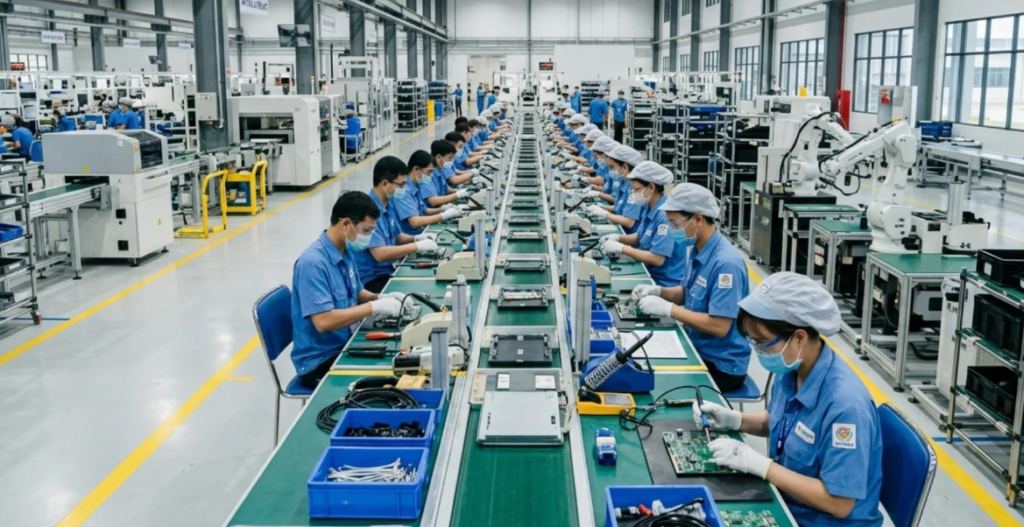
Southeast Asia’s competitive labor costs, expanding industrial capacity and growing domestic markets have strengthened the region’s position as an alternative manufacturing base for global companies seeking to reduce concentration risk.
While challenges remain, including infrastructure constraints and regulatory differences across countries, the region is playing an increasingly important role in global production networks as manufacturers pursue more diversified supply chain strategies.
The shift is expected to support investment, employment and industrial development across Southeast Asia, reinforcing the region’s growing significance in the global economy.
SOPHIA KIM
US ASIA JOURNAL

