



The landscape of alleys in Japan is changing little by little. Small Indian curry restaurants near my home, Vietnamese rice noodle restaurants on my way home, and Thai restaurants that used to add an exotic atmosphere are suddenly closing one day. This is because the Japanese government drastically raised the threshold for foreign start-up visas.
Last year, the Japanese government significantly strengthened the requirement for a “management and management visa” for foreign managers. The capital requirement for obtaining a visa jumped six-fold from 5 million yen to 30 million yen, and the obligation to hire full-time employees for Japanese or permanent residents was added.
The Japanese government explains, “This is a measure to prevent fake businesses using visas and, in fact, stay for immigration purposes.” In fact, according to Japan’s Immigration Bureau, the number of applications for “management and management visas” plummeted by about 96 percent after the system was reorganized. Applications, which were previously around 1,700 per month, decreased to about 70 after the requirements were strengthened.
According to the Tokyo Shimbun, an Indian man who came to Japan about 30 years ago and has run an Indian curry store for 18 years was also recently denied his visa. Although he has a Japanese spouse and children, immigration authorities explained that “examination has become stricter.” “I was suddenly told to leave Japan,” he said in an interview, expressing his embarrassment.
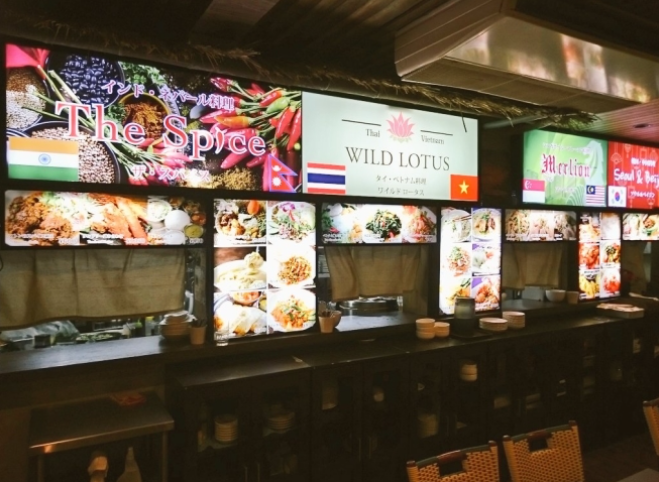
Some administrative writers say that the screening process has become much more difficult than before. In fact, there are cases where it has become difficult to renew a visa due to the fact that the address of the home and the company are the same. Many of these restaurants are not huge franchises but small shops run by private foreign businesses. Many of the multicultural landscapes of Japanese cities have been formed on these small shops, such as Korean restaurants in Shinokubo, Indian communities in Nishikasai, and Chinese business districts in Ikebukuro.
In reality, small restaurants on the streets of Japan were more than just restaurants. This is because private foreign businesses have created a multicultural landscape of Japanese cities, filling the business districts that were empty due to aging and lack of successors.
As a result, there are growing voices regretting the disappearance of small shops. An online signature-collecting campaign is spreading on social media with the hashtag “For a long time with your favorite shops.” More than 60,000 people have already joined the campaign.
There is also a growing sense of vigilance around foreigners who will live together in Japan. There are also controversies over land purchases by foreigners, social security and security issues. The scene shows signs at curry restaurants disappearing. It is a symbolic scene showing the direction in which Japanese society is moving.
JULIE KIM
US ASIA JOURNAL

