


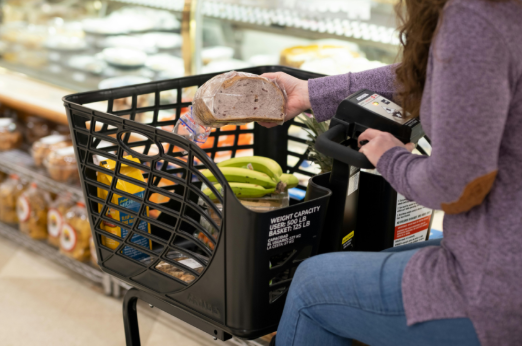
In the era of high prices and high oil prices, an increasing number of consumers are opting for “bulk shopping” as a way to reduce the burden on their shopping bags. The reason is that the price per unit is low. However, experts point out that unconditional bulk buying can result in increased spending. The key is not “living cheaply,” but “spending all the way to the end.”
In a recent article, Real Simple, a U.S. lifestyle media outlet, introduced foods that are prone to waste of money when purchasing in large quantities, and emphasized the need to check consumption habits.
Bakery items are typical items such as bread. When purchasing in large quantities due to short storage period, it is easy to dry out or mold before eating. The situation is similar for dairy products such as milk and yogurt. Since the products go bad quickly after opening, if the speed of consumption is not taken into account, it is highly likely to lead to disposal.
Fresh foods such as fruits and vegetables also need to be careful. Especially for households with one or two people, large purchases are likely to lead to food waste. Seasoning and sauces are no exception. Products that have a shorter shelf life after opening, such as mayonnaise and jam, are more difficult to use until the end.
Spices and cooking oil are considered examples of ‘invisible damage’. Spices lose their flavor rapidly over time, and cooking oil deteriorates in quality as the rancid process progresses. Even if it remains on the outside, it is not actually worth it.
The same goes for nuts, grains, and snacks. It is easy to become soggy or scatter while contacting air, reducing the practical benefits of large-capacity purchases. Frozen food is often forgotten in the freezer after over-purchasing because it can be stored for a long time.
Experts point to ‘overconfidence in the speed of consumption’ as the cause of this phenomenon. Although it may seem cheap right now, purchases beyond actual consumption eventually lead to disposal, increasing total expenditure. Lack of storage space and management burden are also easy to overlook costs.
Should bulk purchases be avoided, then? Not necessarily. Purchasing large quantities can result in substantial savings for household items such as tissues and detergents, foods that can be stored for a long time, such as rice and dry noodles, and items with a constant consumption rate.
After all, the grocery shopping strategy in the era of high oil prices is simple. It should be judged based on ‘consumption possibility’, not on a price tag. The ability to use it until the end without throwing it away is more important than the discount rate in front of you. The formula ‘buy more is cheap’ can still be valid, but it is always one premise. It only holds true when it is available to the end.
JULIE KIM
US ASIA JOURNAL

