


SINGAPORE – Spanish football giants Real Madrid and Barcelona have suffered a defeat off the pitch in Singapore, after their joint bid to trademark the name of their famous rivalry, El Clasico, was blocked following opposition from the governing body of Spain’s professional leagues.
The two clubs, fierce rivals on the football pitch, found themselves on the same side in the trademark dispute against Liga Nacional de Fútbol Profesional, commonly known as La Liga.
The Intellectual Property Office of Singapore ruled in favour of La Liga, finding that the term “El Clasico” was well known in Singapore as the name of a commercially organised and promoted sporting property associated with the league.
In grounds of decision issued on Nov 20, principal assistant registrar Mark Lim Fung Chian noted the unusual alignment of the two clubs: “On the pitch, the two clubs are fierce rivals. Here, they are on the same side, against the governing body for the league in which they play.”
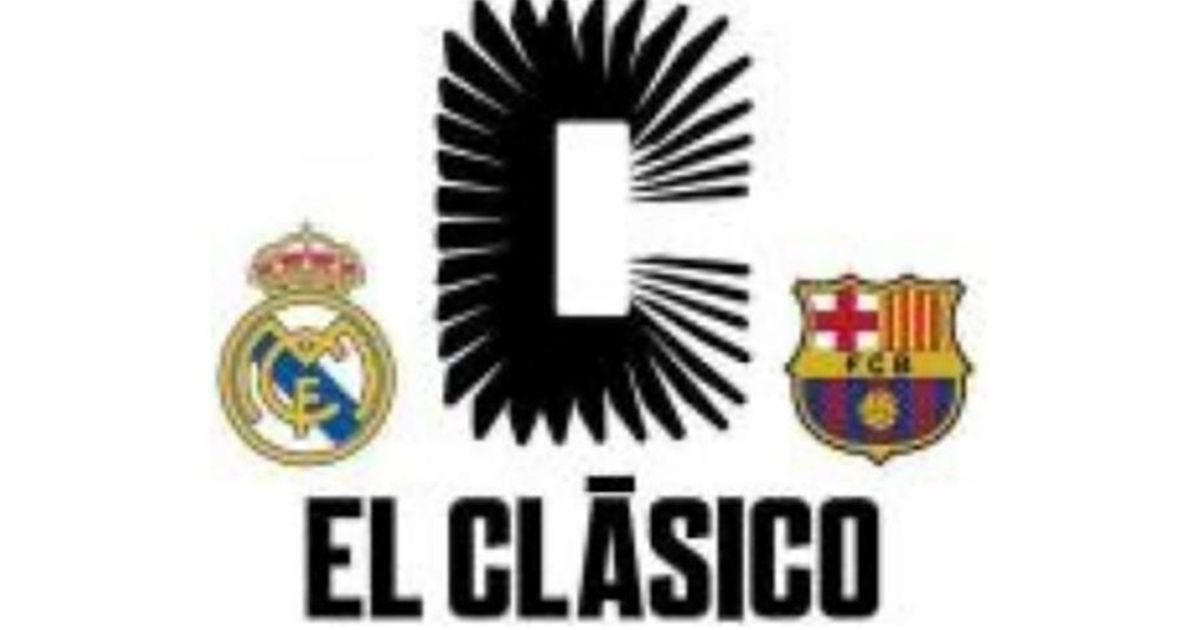
The dispute centred on a proposed mark featuring the crests of both clubs, a stylised letter “C” and the words “EL CLASICO”.
Real Madrid and Barcelona had sought trademark protection for a wide range of goods and services in Singapore, including video game software and accessories, mobile phone accessories, clothing, footwear, entertainment, sporting activities and ticket reservation services.
Their application was filed in August 2022. La Liga opposed it in June 2024.
The clubs’ main argument was that “El Clasico” had become a common, descriptive term for any match between Real Madrid and Barcelona, regardless of the competition in which the teams played. They contended that the expression simply described their rivalry and that La Liga should not be allowed to monopolise it.
The adjudicator said the key question was not whether people in Singapore recognised the term – all parties accepted that they did – but what they understood it to represent.
“If ‘El Clasico’ is understood only as a description of any match between the applicants, it would not function as a trademark at all,” he said. “If, on the other hand, it is recognised as the name of a particular sporting and commercial property associated with the opponent, the opponent’s case on this element is made out.”
La Liga submitted evidence of the term’s reach in Singapore, including viewership figures for matches promoted as El Clasico. These ranged from 27,165 viewers for a Dec 23, 2017 match to 68,384 for an Oct 28, 2018 match. Two other matches attracted 56,361 viewers in April 2021 and 60,521 in October 2021.
It also pointed to its promotional activities in Singapore, including watch parties, a “Taste of El Clasico” campaign with a local restaurant, collaborations with local businesses Weston SG and Singtel, and campaigns involving Singapore football personalities and influencers.
La Liga also established a Singapore office in 2017 as part of its regional expansion.
The adjudicator said the clubs’ evidence, taken on its own, was capable of supporting their argument, but almost all of it related to use outside Singapore. It therefore carried limited weight in determining how the term was perceived by the local public.
Having weighed the evidence, he was “not persuaded that it displaces the opponent’s Singapore-specific evidence of the sustained promotion and commercial exploitation of ‘El Clasico’”.
He concluded that the Singapore public recognised El Clasico “not merely as a description of a contest between the applicants, but as the name of a commercially organised and promoted sporting property associated with the opponent”.
The adjudicator also found that the proposed mark was similar to La Liga’s existing marks to a large extent.
Although the two club crests and the stylised “C” took up a substantial part of the proposed design, the words “EL CLASICO” appeared as its only textual component. The differences between that wording and La Liga’s marks – including the accent, capitalisation and spacing – were minor.
More importantly, he considered that consumers might mistake the proposed mark for an official version of La Liga’s branding.
Consumers could therefore reasonably understand the design as “an official variant, co-branded version or event-specific extension” of La Liga’s marks, rather than as a mark with an independent commercial origin.
The adjudicator also accepted that using the proposed mark could suggest that the clubs’ goods and services were licensed, authorised or commercially connected with La Liga. Such use could impair the league’s ability to control the commercial exploitation of its marks and diminish their brand value, he said.
La Liga thus won the case on two grounds: its El Clásico marks were well known in Singapore, and the clubs’ proposed mark could mislead consumers into thinking their goods and services were commercially linked to the league.
La Liga, which was represented by law firm Ghows, was awarded $10,500 in costs.
There was, however, an important procedural wrinkle in the case.
Real Madrid and Barcelona did not file written submissions or have representation at the hearing after their legal representatives stopped acting for them in August 2026, leaving the adjudicator to assess the case and previously submitted evidence without their arguments.
While he ruled in La Liga’s favour, he said his findings “should not constrain an adjudicator in future cases in which the same issue is fully argued by both sides”.