


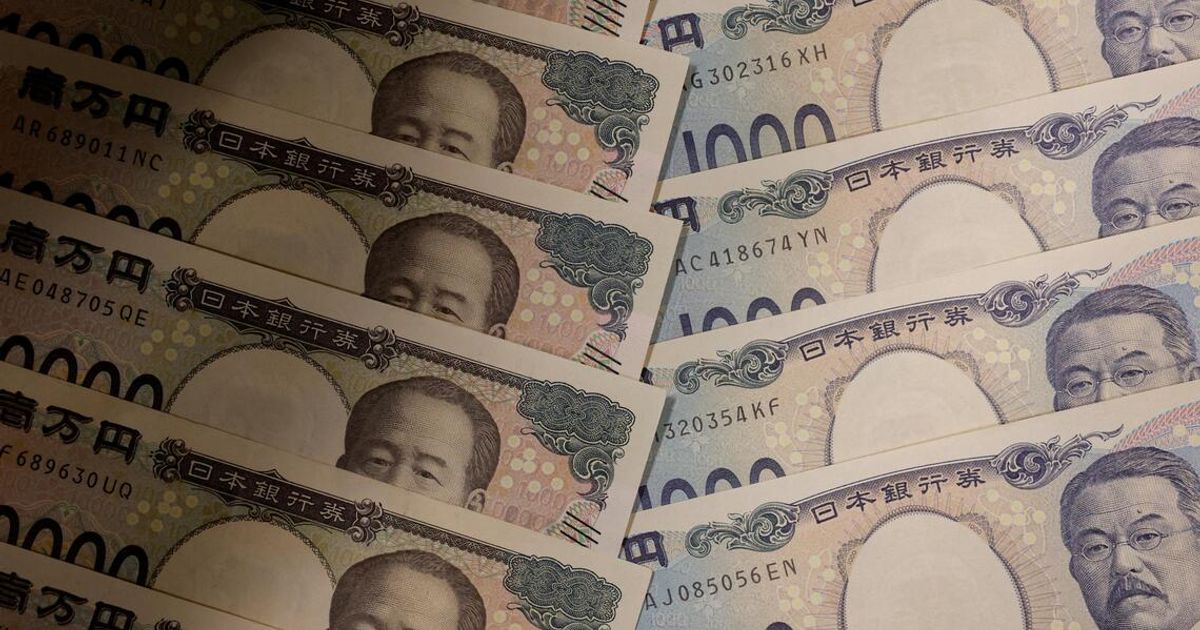
TOKYO – Japan’s top currency diplomat Atsushi Mimura said on Nov 12 the yen’s fall in recent days has been “too rapid”, in an apparent warning after the Japanese currency slipped toward 160 against the US dollar.
Mimura, vice-finance minister for international affairs, also said it is “too early” to forget what happened this summer, referring to a joint Japan-US intervention in the foreign exchange market to stem the yen’s depreciation.
The dollar was trading around the mid-159 yen line after the comments, still sharply higher than 158.87-89 yen as at 5pm (4pm Singapore time) on Nov 11.
The dollar got a boost overnight from growing expectations that the Federal Reserve will raise its key interest rate, supported by stronger-than-expected US consumer inflation data, according to dealers.
“I get the impression that the movements we’ve seen over the past few days are too rapid,” Mimura told reporters.
Financial markets expect the BOJ to go ahead with another interest rate increase as early as its next meeting in December, as inflation remains entrenched.
While the BOJ has signalled that further hikes may be in the offing should the risk grow of inflation overshooting its 2% target, its current policy rate of 1.25% is still lower than those in the United States and Europe.
The still wide interest rate differential is one of the key factors keeping the yen weak against the dollar.
A combination of high energy prices amid heightened Middle East tensions and a weak yen, which inflates import costs, have dealt a blow to resource-scarce Japan.
Japan stepped into the market to prop up the yen earlier in 2026. But it has failed to reverse the currency’s declining trend, partly reflecting market worries about the country’s fiscal health as Prime Minister Sanae Takaichi pushes for more fiscal spending.
The yen had fallen to levels unseen in about four decades beyond 163 per dollar, before Japan carried out a series of interventions this summer, including jointly with the United States on July 31. KYODO NEWS