


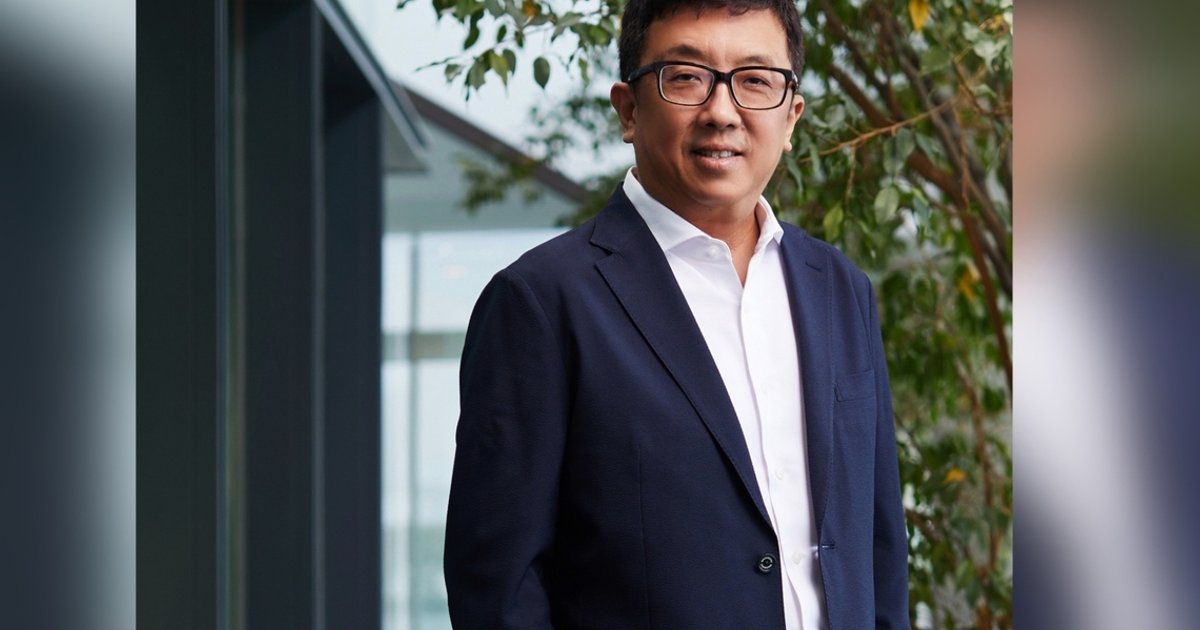
SINGAPORE – As the Singapore economy expands, more Chinese restaurant chains are likely to enter the Republic, bringing efficient kitchens, competitive prices and “beautiful” concepts that could leave older local favourites struggling to keep up, said Minor Food Group chief executive Dellen Soh.
These operators are not just testing whether Singaporeans like their food. They are also bringing business models honed in China’s fiercely competitive food and beverage (F&B) market, with targets to expand across South-east Asia.
“They are here to sweep the market,” Soh, a Singaporean, told The Straits Times in an interview.
The influx of Chinese chains, from hotpot and grilled fish to coffee and tea, is reshaping Singapore’s dining scene and raising the stakes for local operators whose menus, staffing and prices have not kept pace.
While Soh believes there is still money to be made in the business, survival will increasingly depend on the ability to rework the business model, with some local favourites inevitably disappearing from the scene.
Minor Food is a subsidiary of Thailand-listed Minor International, whose businesses span hotels, restaurants and lifestyle retail.
Soh, who also heads Minor Food Singapore – operator of about 120 restaurants across 24 brands, including Sanook Kitchen, Poulet and Mamma Mia – predicts that some longstanding hawker stalls and local brands will eventually disappear. This comes as owners retire and successors prove difficult to find, while heavier operating models struggle to compete with efficient global chains.
For many foreign chains, however, Singapore is a demanding but valuable testing ground, filled with busy malls and well-travelled consumers who dine out regularly and have a deep appetite for global cuisines.
If these chains can operate profitably here with their focused menus, lean staffing, fast preparation and competitive prices while satisfying discerning diners, they will be better placed to expand into other regional markets, Soh said.
“If you can make it in Singapore, you can make it anywhere else in South-east Asia.”
Three essentials for survival
Good food and service, fast preparation and a cost structure that makes commercial sense may seem basic, but they are essential requirements for F&B brands to survive in Singapore, Soh said.
Menu engineering helps bring these together. A carefully chosen range of dishes can make a kitchen easier to run, reduce the number of cooks needed and help restaurants serve consistently good meals at competitive prices.
Soh pointed to shrinking dim sum menus at some restaurants as an example. “Maintaining a team of skilled chefs to hand-make each basket of dim sum is costly.”
Minor Food has applied that thinking to Xin Wang Hong Kong Cafe, which is part of its Singapore portfolio. While the brand offered about 300 dishes when it opened 22 years ago, its menu has since been reduced to just 80 to 90 items.
Streamlining the menu also speeds up service, cutting wait time and boosting table turnover during peak hours, Soh added.
Keeping costs down must go hand in hand with giving diners a reason to visit, said the F&B veteran, adding that he would accept a higher food-cost ratio if lower menu prices helped fill the restaurant.
An impressive margin on each dish means little if the tables are empty, especially when around 80% of people in Singapore eat out, he said.
“The key is to offer good food at prices that encourage diners to return regularly.”
Think like a landlord
Rising rents are a common complaint among Singapore’s F&B operators. But Soh said businesses should know their commitments when signing a lease and develop operating models capable of covering the rent.
“It’s only when you cannot do well, then the rental becomes expensive,” he said.
Soh expects rents to keep rising, pointing to pressure on real estate investment trusts and listed mall operators to grow their returns.
Rather than count on concessions, he urged business operators to put themselves in the landlord’s shoes.
“Overseas chains bring fresh concepts, attract crowds and can afford rents that some established businesses cannot. This is what the landlord wants,” he said.
Take, for example, an older operator whose model supports a rent of $10 to $14 per sq ft. “They could be facing a Chinese chain able to pay $25.”
Singapore’s dining market is “small in size, but enormous in choice”, Soh said, with local and international operators competing for the same diners. “So, it’s the strongest that survive right now.”
Size also plays a part.
Minor Food’s scale gives it advantages that smaller operators cannot easily replicate, including greater leverage with landlords. Its 14 brands in VivoCity, for example, allow it to offer a range of concepts.
“The landlords know we will refresh or replace a struggling concept rather than abandon the premises,” said Soh.
“So before opening an outlet, we would already have a second brand in mind that could take over if the first fails, using the same layout and equipment to reduce conversion costs.”
He added that being able to offer a new format under an established name or changing a restaurant’s concept or menu can lift sales and make the same location and rent workable.
“If you don’t change, the landlord has no choice but to replace you.”
Asked whether Minor Food is considering new acquisitions or concepts in Singapore, such as taking over longstanding hawker businesses and scaling them, Soh noted that while hawker culture remains central to Singapore’s food identity, many of these businesses “can be difficult to preserve and expand when their appeal is tied to the person cooking”.
“Customers may perceive a change in taste when someone else takes over, even with standardised recipes. That complicates attempts to turn a beloved stall into a chain,” he explained.
He added that many ageing hawkers who have spent decades working long hours may not want their children to follow in their footsteps, and would encourage them to pursue other careers.
Meanwhile, new hawker concepts will emerge, including those started by chefs leaving established restaurants.
“But culinary skill alone cannot sustain this business. Hawkers need stamina for the daily demands of the trade.”
Refreshing brands, exploring retail
In Singapore, Minor Food’s priority is to improve its existing brands rather than acquire names simply to enlarge its portfolio.
The group opens 10 to 12 restaurants annually here, and refreshes or renews another 15 to 20, Soh said.
Still, the restaurant business is not getting any easier, even for Minor Food, which is among the largest F&B brand operators in South-east Asia.
Soh is exploring food retail as another avenue for growth. After tasting banana cakes from Bangkok’s Bake It Babe, for example, he quickly acquired the brand and brought it here, launching outlets in VivoCity and Jewel Changi Airport.
The upcoming Johor Bahru-Singapore Rapid Transit System (RTS) Link presents another challenge. With the cross-border rail set to open in February 2027, Soh is watching whether easier travel to JB will divert local spending, prompting him to continuously refine Minor Food’s restaurant operations, menus, pricing and service models to retain customers.
For example, Minor Food’s Riverside Canton Claypot Cuisine recently introduced claypot dishes to stand out amid growing competition in grilled fish.
Soh said the broader offering has attracted more customers and, in turn, boosted sales of its grilled fish.
Minor Food is also evaluating a listing in Singapore that could give it greater financial independence from its parent and a capital structure suited to its next phase of growth.
After decades of building its restaurant operations, franchise systems and manufacturing capabilities, Soh believes Minor Food has the foundation to stand on its own and attract international institutional investors.
Meanwhile, Soh sees distinct roles for the group’s markets, with Thailand as its main operating base, Singapore as an innovation hub, and the wider region offering room to scale concepts developed here.
He believes Minor Food’s brands can compete with the Chinese chains here, with landlords recognising the need to strike a balance in their tenant mix.
“We want to be the balance,” he said.
[embedded content]

