


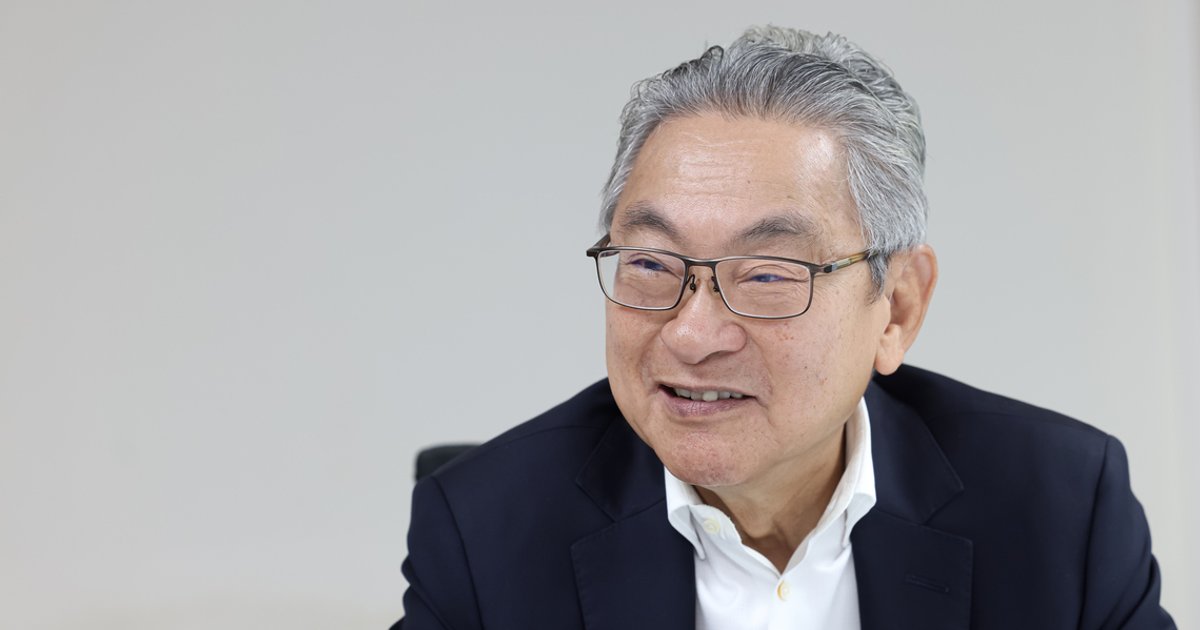
SINGAPORE – Singapore investors are willing to take risks on volatile growth stocks overseas, but are unlikely to make similar bets here, where the local market still lacks flow and liquidity, said Singapore Exchange (SGX) chairman Koh Boon Hwee.
The problem, in his view, is that the Republic has yet to create a level of sustained demand for local shares to give investors enough confidence to take risks here, and until then, further capital injections will be needed to keep demand in the stock market up.
Koh was speaking to The Straits Times on the sidelines of the Forbes Global CEO Conference on Oct 8.
“Do they here have the appetite for risk? The answer is yes,” he said, pointing to younger investors who buy overseas stocks such as Tesla and even SpaceX, which is loss-making.
But would they back similar businesses on SGX?
“My honest answer is, right now it’s unlikely, because they understand the constraints here as well,” he said.
This could help explain why many initial public offerings (IPOs) on the local bourse have recently struggled to gain traction after listing, despite efforts by the central bank, stock exchange and fund managers to revive the local equities market and attract new listings.
More injections needed
Asked whether Singapore would need continued capital injections in the meantime, Koh said: “Personally, I would think so”, but noted that the decision was beyond him.
While he commended the Government’s move to allocate $6.5 billion of investment capital into the local stock market through the Equity Market Development Programme (EQDP), he noted that it is a “stochastic injection, and not a natural flow”.
He distinguished such injections from the regular and sustained capital flows that pension systems generate in other countries.
In the United States, for example, multiple pension funds make independent investment decisions and help circulate capital through the public markets, private equity and venture capital.
An allocation under the EQDP, by contrast, leaves the question of what follows after the money has been committed.
“You have to think about how much more for how much longer,” Koh said.
While he stressed that the EQDP funds are being invested rather than spent, he noted that the wider concern is that the repeated allocations do not establish the recurring demand flows needed to sustain the market.
“Our challenge right now is to create something that is circular and sustainable,” said Koh.
“If you don’t have constant demand creation, it’s hard to sustain liquidity. And with no liquidity, there is no proper valuation.”
Convincing investors to recycle capital here
Koh explained that early-stage venture funding is relatively well supported in Singapore, but these investors eventually need a way to realise their investments and recycle the capital into other start-ups and ventures.
A public listing can provide that route, but for it to work, the market needs investors willing to buy into a company’s next stage of growth.
Without an attractive domestic market, founders must consider overseas listings to meet obligations to their backers, regardless of how committed they are to Singapore.
Several prominent Singapore-funded companies have already taken that path through the years.
Sea, the parent of e-commerce platform Shopee and gaming business Garena, for example, listed on the New York Stock Exchange in 2017, while Grab debuted on Nasdaq in 2021 through a merger with a special purpose acquisition company.
Singapore-headquartered data centre operator DayOne is now pursuing a similar route, having filed for a proposed Nasdaq IPO this month.
The result is that SGX misses out on potential growth stocks that could attract a broader pool of investors, while early backers realise their investments through overseas markets, leaving a gap in the domestic capital cycle.
“You can’t blame them for doing that,” Koh said, adding that Singapore may have provided the research funding, business environment, stability and security that helps young companies develop, but a lot more work needs to be done to offer a viable route for capital to be recycled here.
“We need to create an environment that will not make it an automatic reflex that we list on Nasdaq or we list in Hong Kong.”
Asked whether Singapore’s market simply needed more time to develop compared with the US, Koh said the problem was structural, as the Republic has yet to establish a system for recycling more Singapore dollar capital.
“My view is, this is structural because we have not come to the conclusion that we need to recycle some of the Singapore dollar funding.”
Why Singapore should support start-ups
Ultimately, the market must be willing to support younger companies for Singapore’s economy to grow.
Beyond enabling the investment returns to be recycled to finance another generation of enterprises, “we need newer enterprises because they will generate the growth that is required not just in the market, but in the economy as well”.
The way he sees it, if Singapore’s leading companies in 20 years are largely the same as today’s, the intervening periods could include significant stretches of stagnation in the local economy.
Koh questioned whether investors’ prevailing preference to fund banks, property and real estate investment trusts would be sufficient in an increasingly fragmented world, where countries are seeking greater self-reliance.
He said these big companies already attract buyers and sellers on their own, adding that “the larger established companies become, the harder it is for them to compound growth at high rates”.
What is more important is whether smaller companies can eventually reach a similar scale if the market does not give them enough support.
Developing younger enterprises also offers the prospect of more home-grown businesses that own their brands and products, rather than supply components or assemble goods for others.
Koh said many companies here operate further down supply chains, where they have less visibility of end demand and are exposed to amplified swings in orders.
A brand owner reducing orders by 5%, for instance, can trigger progressively deeper cuts as suppliers adjust their inventories. A business several tiers down could eventually face a 15% swing.
By contrast, a company selling its own brand has more direct visibility of what customers are buying and greater control over its revenues.
“We need more of these companies here,” Koh said.