


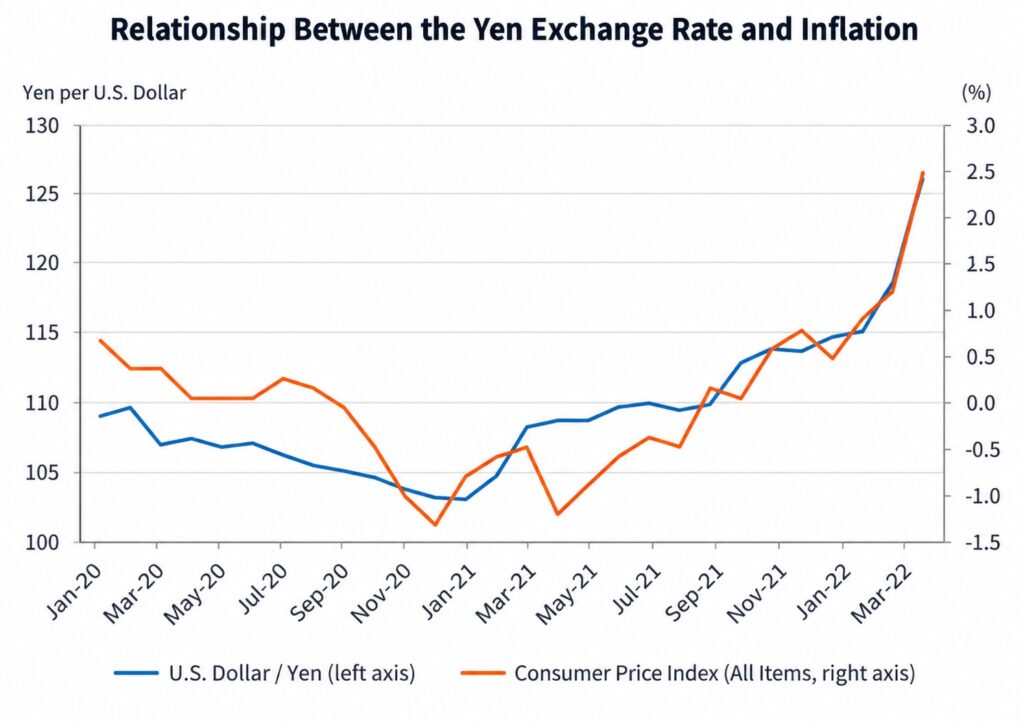
Japan’s central bank is facing renewed pressure to raise interest rates as rising production costs and a weak yen threaten to keep inflation above the level policymakers consider sustainable.
Bank of Japan board member Kazuyuki Masu said Thursday that the central bank may need to raise interest rates rapidly if inflation accelerates.
His comments came as the BOJ prepares for its next policy meeting, where markets are increasingly expecting another rate increase.
Masu said recent increases in producer prices deserve close attention because companies have become more willing to pass higher costs on to consumers.
The pressure is coming from several directions.
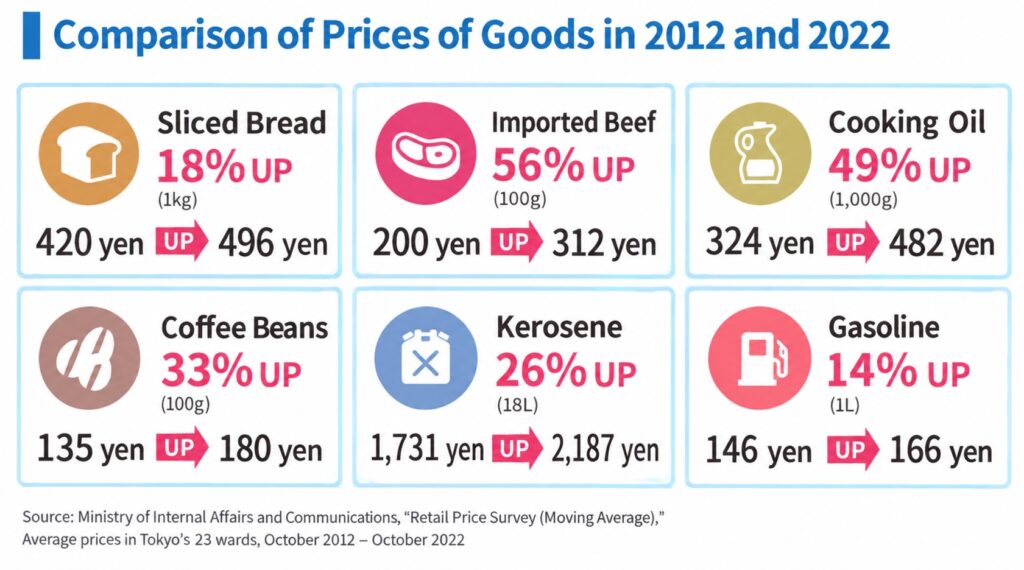
A weaker yen has increased the cost of imported goods, while higher fuel and raw-material prices are raising costs for businesses.
The economic impact of the conflict in the Middle East is adding another layer of uncertainty.
Higher energy prices can increase transportation costs and feed into prices for food and other consumer goods.
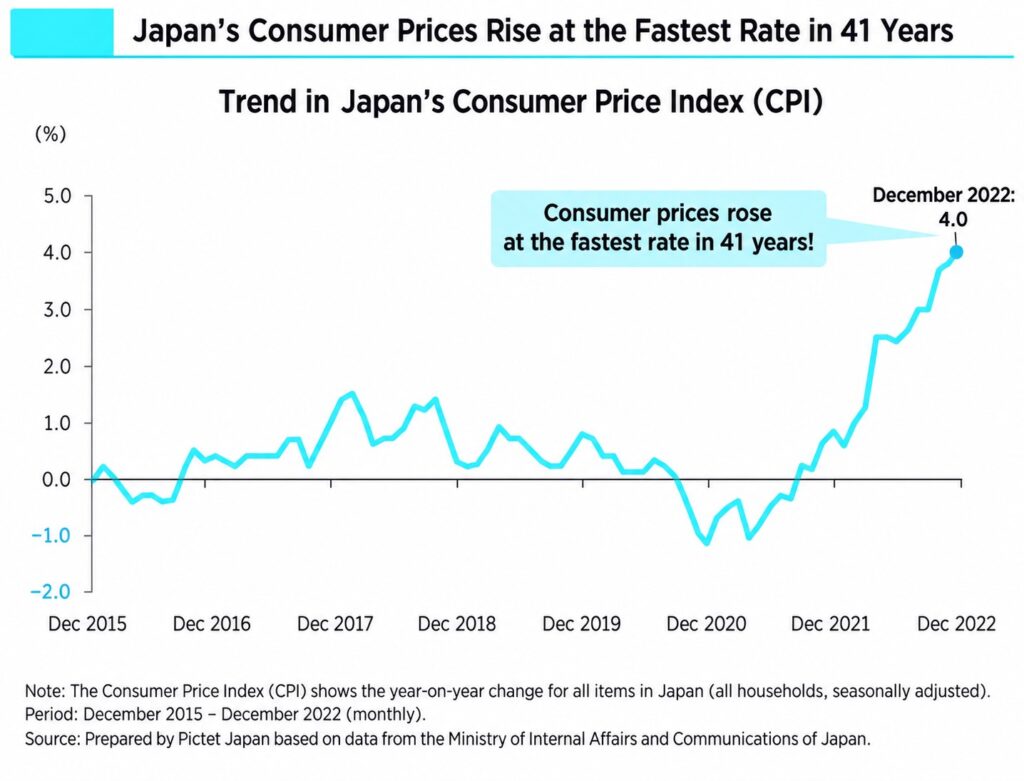
Masu said underlying inflation remains below but close to the BOJ’s 2% target.
He argued that the central bank needs to raise its policy rate further to ensure that it has enough flexibility to respond if inflation accelerates.
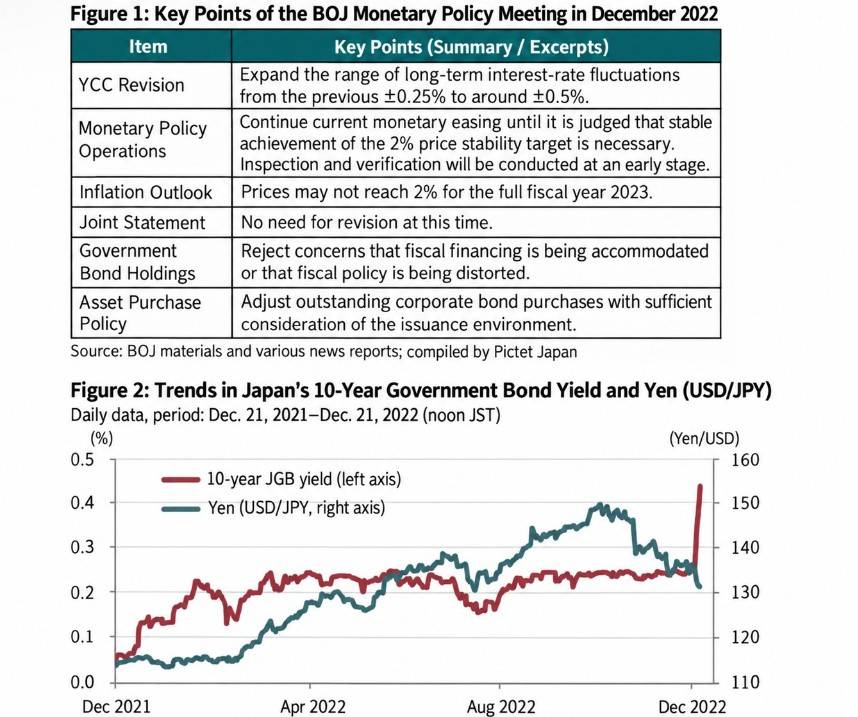
Japan has already moved far from the ultra-loose monetary policy that characterized its economy for many years.
The BOJ raised its policy rate to 1% in June, its highest level in decades, after years of negative or near-zero interest rates.
The bank kept rates unchanged at its July meeting but has signaled that further increases remain possible if economic and price conditions continue to evolve as expected.
Markets are now increasingly focused on the BOJ’s Sept. 17-18 meeting.
A recent Reuters poll showed economists expecting the policy rate to rise to 1.25% this month.
The same poll projected the rate could reach 1.75% by the second quarter of 2027, earlier than previously expected.
The shift reflects a changing view of Japan’s inflation problem.
For much of the past three decades, Japan struggled with weak price growth and deflation.
Consumers and companies became accustomed to relatively stable prices and low interest rates.
The current environment is different.
Businesses are increasingly raising prices to offset higher labor, energy and material costs.
Consumers are consequently facing a higher cost of living at a time when the central bank is attempting to normalize monetary policy.
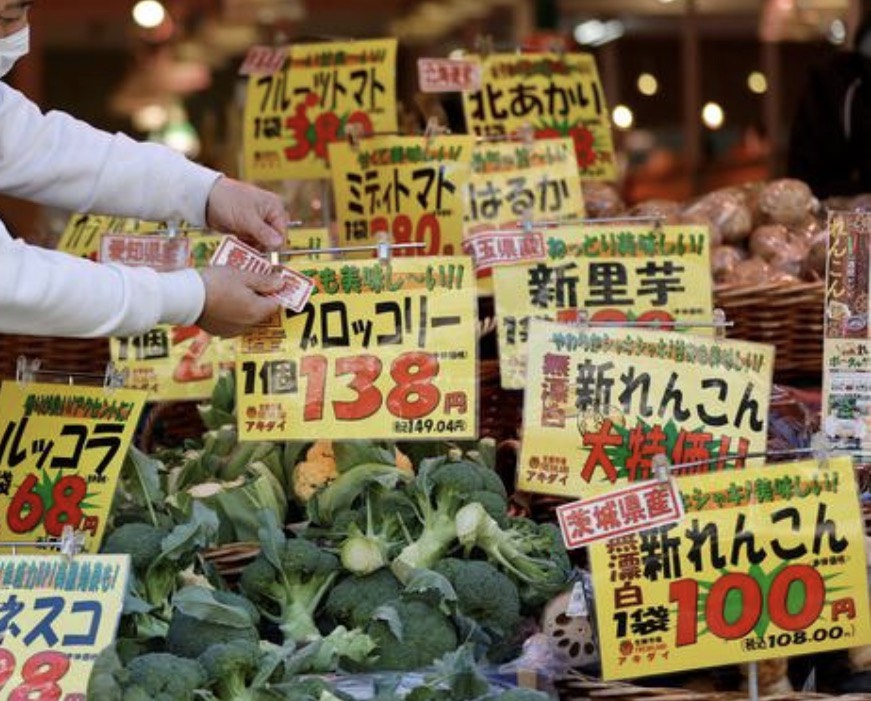
The weak yen remains a key factor.
A weaker currency makes imported energy, food and raw materials more expensive.
That can raise household costs even when domestic demand remains relatively moderate.
At the same time, a weaker yen can benefit Japanese exporters by making their products more competitive overseas.
This creates a difficult policy balance for the BOJ.
Higher interest rates could help support the yen and reduce imported inflation.
But they could also increase borrowing costs for households and companies.
Japan’s corporate sector has continued to borrow despite previous rate increases, and Masu warned that strong corporate investment could eventually create additional pressure on the economy.
For households, higher rates could gradually increase the cost of mortgages and other forms of borrowing.
For businesses, higher financing costs could make investment decisions more difficult.
The impact will vary considerably across sectors.
Large companies with strong cash reserves may be better positioned to absorb higher borrowing costs.
Smaller businesses, particularly those already facing higher labor and material expenses, could have less flexibility.
The BOJ therefore faces a difficult question about how quickly policy should be normalized.

Moving too slowly could allow inflation to become entrenched.
Moving too quickly could weaken economic activity and put additional pressure on households and smaller businesses.
The central bank must also consider developments outside Japan.
Oil prices have become increasingly sensitive to geopolitical developments in the Middle East.
A sustained increase in energy prices could create another wave of imported inflation and make the BOJ’s task more difficult.
At the same time, the Federal Reserve and other major central banks are also dealing with uncertainty over inflation and economic growth.
Changes in U.S. interest rates can influence global capital flows and currency markets, including the yen.
The yen strengthened after Masu’s comments as investors increased expectations for further Japanese rate increases.
A stronger yen could help reduce the cost of imported goods, but it could also reduce some of the price competitiveness enjoyed by Japanese exporters.
For Japan, the debate marks another stage in the country’s transition away from an era of exceptionally low interest rates.
The BOJ is attempting to establish a more conventional monetary policy while ensuring that inflation remains close to its target and economic growth remains stable.
The outcome will affect more than financial markets.
Interest rates influence mortgages, business investment, consumer spending, the yen and the prices Japanese households pay for imported goods.
Japan’s next rate decision will be closely watched as the BOJ tries to prevent renewed inflation from becoming entrenched without putting too much pressure on households and businesses.
SOPHIA KIM
US ASIA JOURNAL

