


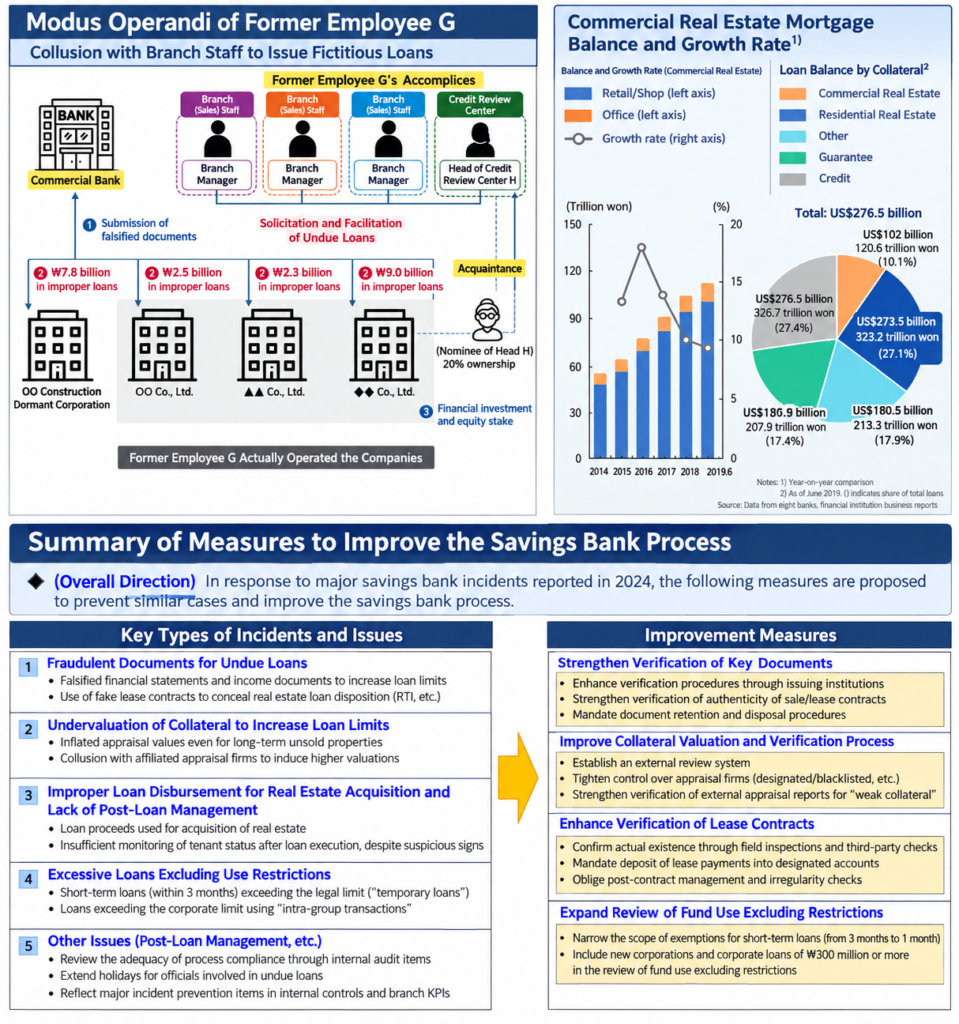
South Korea’s corporate lending system is facing renewed scrutiny after a major real estate loan fraud case exposed weaknesses in how financial institutions detect suspicious transactions and monitor loans after they are approved.
The case involves more than 182 billion won in suspected losses at state-run IBK Industrial Bank of Korea, where investigators have been examining loans allegedly obtained through false documents and nominee borrowers.
The incident has raised questions about whether banks are doing enough to identify fraudulent borrowing before loans are approved and whether their internal controls are effective once warning signs emerge.
The case began with allegations involving so-called “work loans,” in which developers and brokers allegedly use nominal buyers and fabricated documents to obtain loans for commercial real estate transactions.
The scale of the suspected fraud expanded significantly during the investigation.
What was initially identified as a 965 million won case grew to 4.785 billion won in June and eventually to about 18.22 billion won by August.
In total, 12 borrowers and 14 loans involving approximately 24.46 billion won in lending were identified in connection with the case.
About 6.24 billion won has been recovered through measures including external sales, leaving roughly 18.22 billion won in outstanding exposure.
The case became particularly controversial because the bank had received a police search warrant containing information about the suspected fraud.
According to information submitted to lawmakers, police sent the warrant to the bank in September 2025.
The bank received it the following day but did not immediately recognize the matter as a financial accident.
It identified the problem about a week later.
More concerns emerged after the bank reported the incident to financial regulators.
Two weeks after reporting the problem, the bank approved an additional 1.9 billion won loan secured by commercial property in Namyangju, Gyeonggi Province.
The loan went through internal collateral and credit approval procedures but later became part of the suspected fraud after falling into arrears.
The incident has raised questions about whether information collected by different departments within financial institutions is being properly connected.
A bank may have detailed information about a customer’s financial history, collateral and existing loans, but that information is only useful if potential risks are identified and shared with the teams responsible for approving new credit.
The issue extends beyond one institution.
Financial authorities have identified 1,167 cases since 2021 in which business loans were used for purposes other than those stated when the loans were issued.
The loans involved a combined initial amount of about 389.1 billion won.
The number of detected cases increased every year from 2021 through 2025.
There were 58 cases involving loans issued in 2021, followed by 125 in 2022, 135 in 2023, 198 in 2024 and 384 in 2025.
Banks accounted for the largest number of cases, followed by mutual finance institutions and savings banks.
Financial regulators have found several weaknesses in post-loan monitoring.
In some cases, financial institutions failed to conduct required checks, did not sufficiently examine how funds were being used or failed to conduct on-site inspections.
These weaknesses are particularly important in South Korea’s real estate lending market.
Business loans can be legitimate sources of financing for companies and property-related businesses.
But when funds intended for business operations are redirected toward property purchases or other investments, the risks can increase for both borrowers and lenders.
The problem can become more complicated when brokers or intermediaries use multiple borrowers and documents to create transactions that appear legitimate on paper.
For banks, detecting such activity requires more than checking individual documents.
It requires comparing information across borrowers, properties, transactions and previous lending activity.
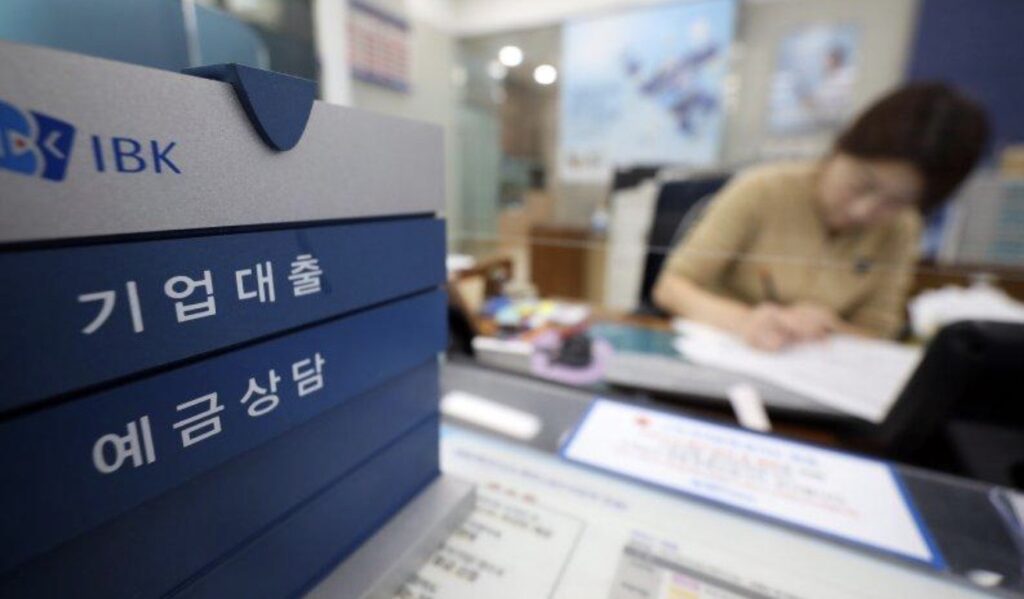
The latest case has therefore renewed calls for stronger internal controls.
Financial institutions are under pressure to strengthen the screening process before loans are approved while also improving monitoring after funds are distributed.
Regulators are also reviewing how financial information about improper loan use is recorded and shared.
The goal is to prevent borrowers who misuse loans from continuing to obtain additional credit through other financial institutions.
The controversy comes at a time when South Korea is trying to strengthen confidence in its financial system.
Corporate lending plays an important role in supporting businesses, investment and economic growth.
Banks must therefore balance tighter risk controls with the need to provide legitimate companies with access to credit.
Overly restrictive lending could make it harder for smaller businesses to obtain financing.
But weak controls can expose banks and customers to significant losses.
The challenge is particularly important as financial institutions increasingly use digital systems and automated credit assessments.
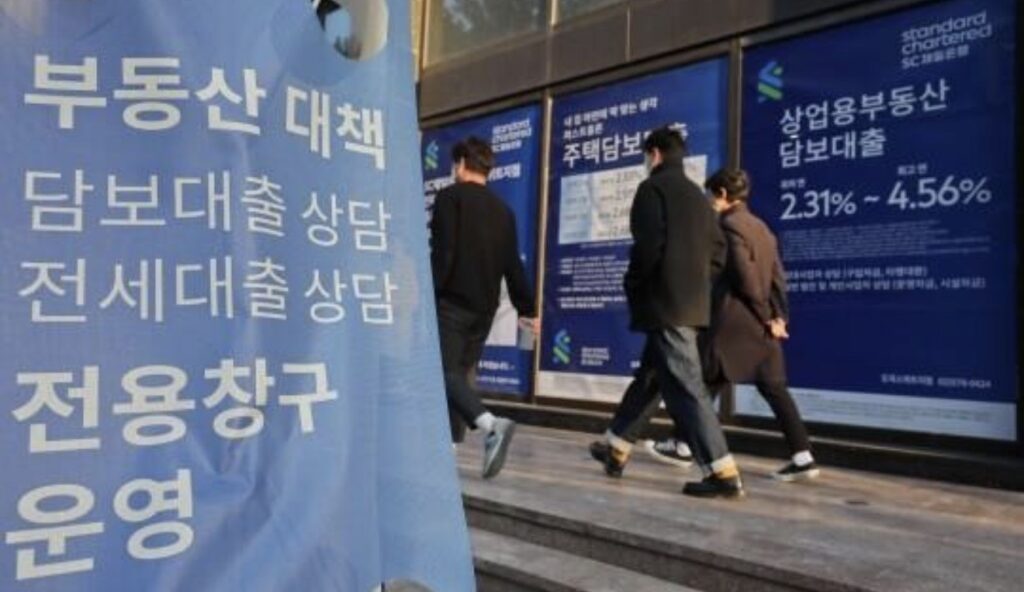
Technology can help identify unusual transactions, but fraudulent borrowers can also adapt their methods.
Human oversight remains important when complex real estate transactions involve multiple companies, borrowers and intermediaries.
The case also highlights the importance of accountability after a financial accident is discovered.
Detecting a problem is only the first step.
Banks must determine how the fraud occurred, identify related transactions and prevent similar loans from being approved.
For South Korea’s financial sector, the latest case is becoming a test of whether existing internal-control systems can keep pace with increasingly sophisticated lending fraud.
The issue is no longer simply how much money was lost, but whether South Korea’s financial institutions can identify suspicious borrowing early enough to prevent a single fraudulent transaction from becoming a much larger systemic problem.
SAM KIM
US ASIA JOURNAL

