


LONDON – The price of Brent North Sea oil, the international benchmark, topped US$100 a barrel on Sept 9 for the first time since the end of July, as fresh flare-ups in the Middle East war stoked supply concerns.
Brent jumped more than 2 per cent to US$100.19 a barrel, adding to worries about high inflation, before pulling back slightly to US$99.90.
With the US-Iran conflict now in its seventh month and showing no sign of calming despite White House claims of an imminent deal, investors are growing increasingly anxious that the Federal Reserve will have to hike interest rates to cap surging consumer prices.
The two foes are locked in a stalemate six months into the war, with Tehran maintaining a stranglehold on the Strait of Hormuz, a vital shipping route for the world’s oil and gas, and Washington pushing a campaign to choke the Islamic republic’s ports and economy.
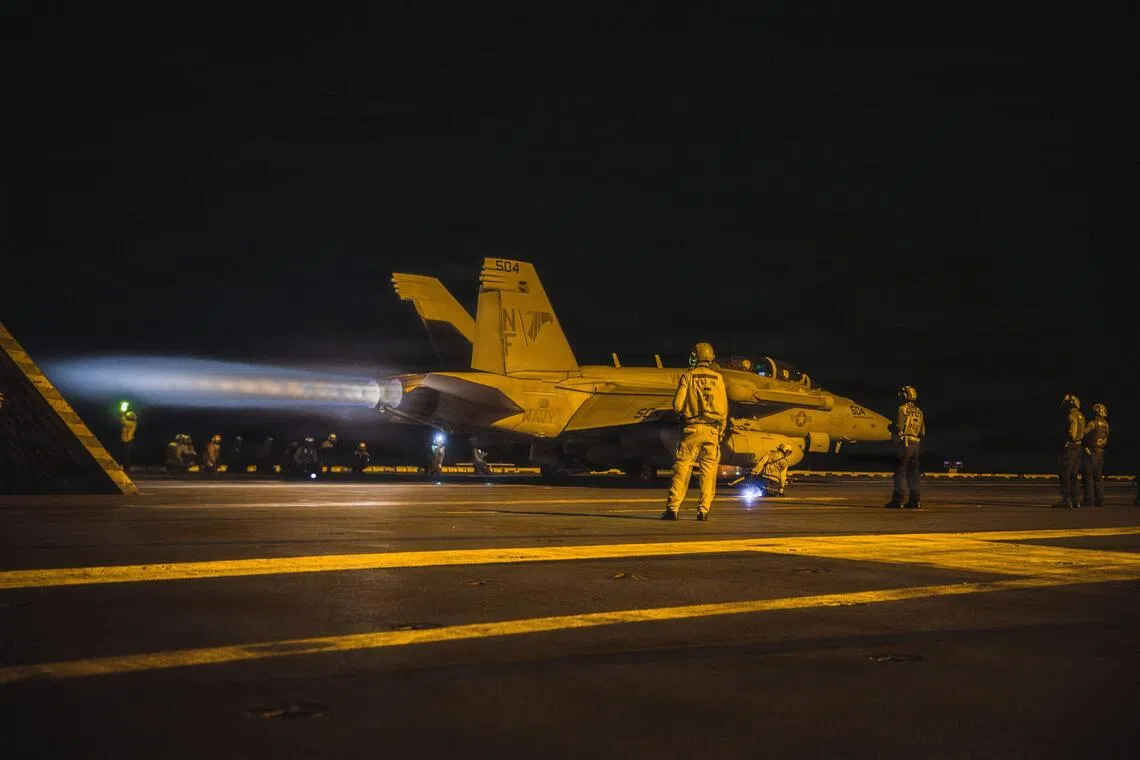
Iran said on Sept 9 it struck a US military base in Jordan following American attacks on its vessels in the Strait of Hormuz, which itself was in retaliation for ballistic missile launches at a US warship.
Tehran also said it would target oil tankers off Kuwait and Bahrain, and urged crews to leave their ships, according to the IRNA state news agency.
That came after Saudi Arabia and Iran-backed Houthis in Yemen exchanged strikes, with the rebels targeting oil facilities in an offensive towards the Red Sea’s Bab al-Mandab chokepoint.
The waterway is an increasingly important route for Saudi oil with the Strait of Hormuz shut.
Both main crude contracts jumped more than 1 per cent on Sept 9, with Brent hitting as high as US$99.68 and a whisker away from the US$100 last touched in July. West Texas Intermediate was heading towards US$95 for the first time since June.
The surge in energy costs has kept inflation elevated globally and is putting pressure on central banks to hike borrowing costs, with the European Central Bank tipped to do so on Sept 10.
All focus is on the release of the US consumer price index Sept 11, which is seen as the key to whether the Fed lifts rates next week or not.
“The continuing conflict in the Middle East is keeping concerns over supply disruptions, and that in turn is worrying investors about the inflationary consequences of elevated oil prices,” said Fawad Razaqzada, a market analyst at FOREX.com.
“For the Fed, the combination of resilient US employment and renewed pressure from energy prices are both hawkish signals,” he added. “A sustained rise in oil prices would risk reversing the progress on inflation that policymakers have been relying on to justify lower interest rates, while simultaneously squeezing consumers and businesses.”
The prospect of borrowing costs heading up is weighing on equities, with all three main indexes dropping on Wall Street.
Asian markets fluctuated, though tech firms continued to enjoy a recovery from July’s rout as the AI boom returns to the fore.
Seoul led the gainers as chipmaker SK hynix rallied more than 3 per cent.
Shanghai, Wellington, Taipei, Bangkok and Manila also advanced, though Hong Kong, Tokyo, Sydney, Singapore, Mumbai and Jakarta were down. AFP

