



South Korea is facing a growing youth gambling problem as thousands of teenagers have come forward over the past three months to report their involvement in online gambling, highlighting how easily betting has become accessible to younger users.
A total of 1,777 teenagers reported themselves to police during a nationwide voluntary reporting period held from May 18 to Aug. 31, according to the National Police Agency.
The average age of those who reported gambling was just 15.5 years.
Most were middle and high school students. High school students accounted for 963 cases, or 54.2% of the total, while middle school students accounted for 813 cases, or 45.8%. One elementary school student was also included.
The teenagers had gambled for an average of 10 months and spent about 3 million won, or roughly $2,200, per person.
The figures suggest that youth gambling is not limited to occasional experimentation.

For many of the teenagers who came forward, gambling had continued for months and had become a significant part of their daily lives.
Casino-style games such as slot machines and baccarat accounted for 95.9% of the reported gambling activity.
The overwhelming presence of these games also illustrates how online gambling can expose teenagers to forms of betting that were previously associated primarily with adult gambling environments.
The reporting program was the first nationwide expansion of a system that had previously been operated by individual regional police agencies.

Of the 1,777 teenagers who reported themselves or were reported by guardians, 1,501, or 84.5%, came forward on their own.
That figure suggests that some young people are willing to seek help when they are given a clear opportunity to do so.
School police officers played a particularly important role.
Education and outreach by school police officers accounted for 66.6% of the cases that entered the voluntary reporting program.
Online promotions, posters and other publicity accounted for another 13.7%, while recommendations from friends and other people accounted for 10.1%.
The results also showed that gambling can quickly develop into broader social and financial problems.
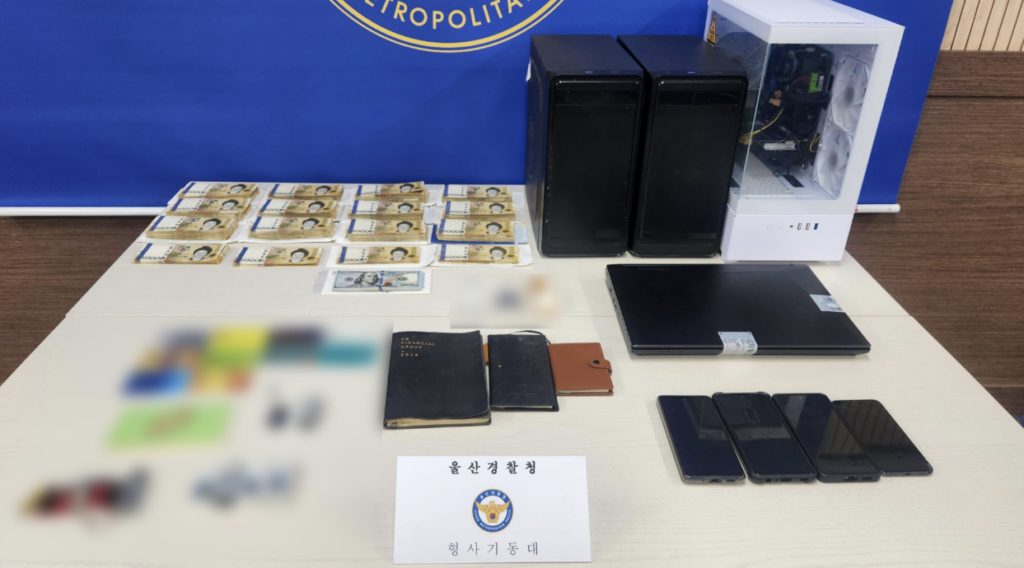
In one case in Ulsan, a teenager was found to have spent about 200 million won over two years after police responded to a report that the teenager had assaulted his mother while demanding money.
In Seoul, police uncovered a group of 14 middle and high school students who had been gambling and turned to fraud and theft when they ran out of money.
The cases demonstrate why authorities are treating youth gambling as more than a problem of illegal betting.

Gambling debts can create pressure on teenagers who have little or no independent income.
Some can turn to friends, family members or illegal lenders to obtain additional money.
Police also identified 464 illegal gambling websites during their investigations and requested that they be shut down or removed.
Five teenagers who experienced illegal private lending connected to gambling were referred to financial support services.
Authorities found that some young people had borrowed money at extremely high interest rates and later faced pressure or threats when they were unable to repay the loans.
The government response has focused not only on punishment but also on treatment.
Of the 1,504 teenagers who completed initial interviews, 1,430, or 95.1%, were referred to specialized organizations including the Korea Center on Gambling Problems and youth counseling and welfare centers.
Among 222 teenagers who completed treatment programs, 166 received measures short of formal prosecution after authorities considered factors including the amount of gambling, their attitude and whether they completed the treatment program.
The remaining 56 were booked and referred to prosecutors.
Early results from the treatment program suggest that intervention can make a difference.
Among 160 teenagers whose treatment outcomes were analyzed, the average score on a gambling-problem screening measure fell from 4.81 before treatment to 2.22 afterward.
The government is now reviewing whether the voluntary reporting system should continue and how it should be operated in the future.
Police plan to assess the program’s effectiveness and collect feedback from teenagers, parents, officers and counselors before making a decision next month.
The challenge, however, goes beyond shutting down individual websites.
Online gambling can be promoted through digital channels and accessed through smartphones, making it difficult for schools and parents to identify the problem at an early stage.
The relatively young average age of those who reported gambling also suggests that prevention efforts need to begin before teenagers develop serious gambling habits.
For South Korea, the issue presents a growing challenge at the intersection of technology, youth culture and financial behavior.
The country’s highly connected digital environment provides young people with easy access to information and entertainment, but it can also make harmful activities more difficult to detect.
Authorities are therefore placing greater emphasis on early education, counseling and treatment alongside efforts to block illegal gambling services.
The experience of the voluntary reporting program also shows that some teenagers are prepared to stop when they are given a route out of the problem.
For policymakers, the priority will be turning those individual cases into a broader prevention strategy.
South Korea’s youth gambling problem is increasingly becoming a social issue rather than simply a law-enforcement problem, with early intervention emerging as a key tool to prevent online betting from developing into addiction, debt and secondary crime.
SOPHIA KIM
US ASIA JOURNAL

