


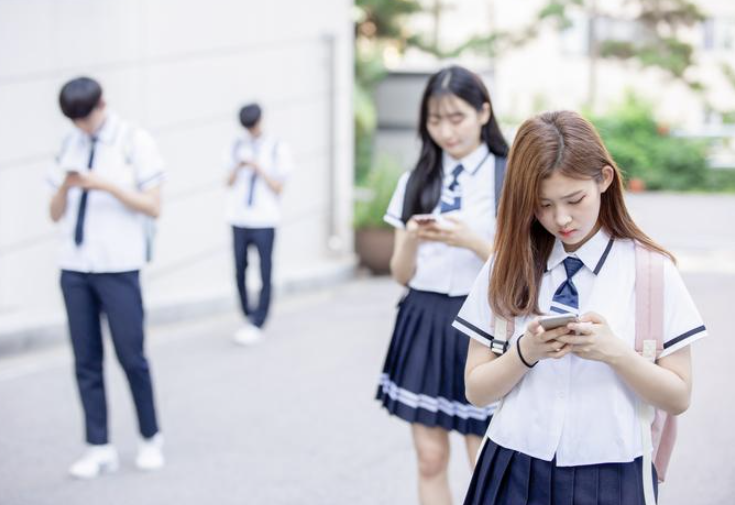
South Korea is facing a growing debate over how much freedom teenagers should have online as concerns about excessive social media use, addictive platform features and harmful content put pressure on policymakers to strengthen protections for young users.
The debate has gained momentum after a recent national survey found that more than seven in 10 South Koreans support restricting social media use by teenagers based on age.
The Korea Press Foundation surveyed 1,000 people aged 14 to 58 and found that 70.7% supported some form of age-based restriction, while 29.3% opposed it.
But teenagers themselves had a very different view.
Among the 200 teenage respondents in the survey, 59% opposed restrictions and 41% supported them.
The divide highlights one of the central difficulties facing South Korea as it considers stronger rules for young social media users: adults and teenagers often experience the same digital platforms in very different ways.
Adults generally viewed restrictions as a way to protect teenagers from excessive use and harmful online environments.
Teenagers were more likely to see restrictions as a limitation on their independence and ability to communicate.
The survey also found that 59.8% of all respondents believed greater emphasis should be placed on making social media platforms safer rather than simply restricting access.
That view was even stronger among teenagers.
About 72% of teenage respondents said platforms should take greater responsibility for creating safer environments.
The findings suggest that the debate is moving beyond a simple question of whether teenagers should be allowed to use social media.
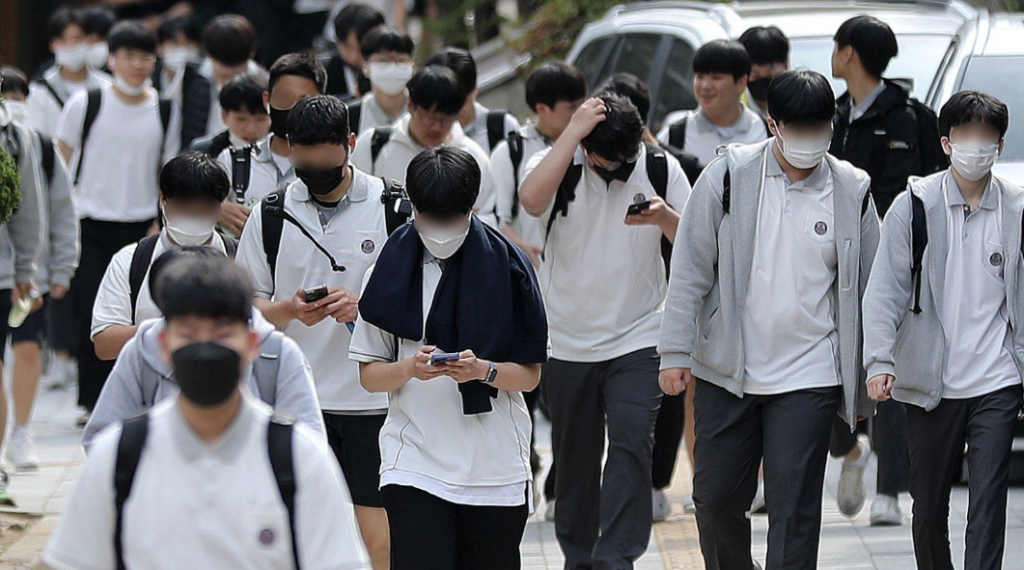
Increasing attention is being placed on how the platforms themselves are designed.
Features such as infinite scrolling, personalized recommendations, social feedback and autoplay can encourage users to remain on platforms for longer periods.
In the survey, 95% of respondents said infinite scrolling influences how long young people use social media.
Personalized recommendations were identified by 94%, while checking likes and other social reactions was cited by about 92%.
Autoplay was also identified as a factor by about 90%.
The survey found broad support for limiting at least some of these features when teenagers use social media.
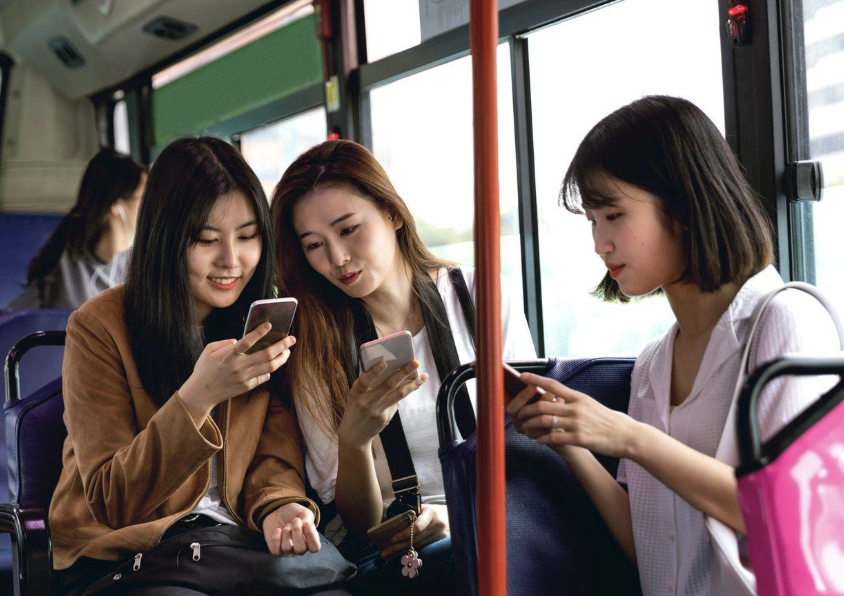
More than 92% said at least one of the features examined should be restricted for young users.
This has raised a broader question about who should bear responsibility for protecting teenagers online.
Parents and schools have traditionally been expected to guide young people’s media use.
But as social media platforms become a central part of communication, entertainment and information, more attention is being directed toward technology companies.
Respondents strongly supported greater platform responsibility in several areas.
More than 94% said platforms should provide stronger protection for teenagers’ personal information and public profile settings.
A similar share supported measures to prevent young users from being exposed to harmful content.
More than 92% also said platforms should examine how recommendation systems affect teenagers.
The question of age verification remains more complicated.
While many people support age-based restrictions, they also recognize that teenagers may find ways around them.
Nearly 95% of respondents believed young users could bypass restrictions by using another person’s account.
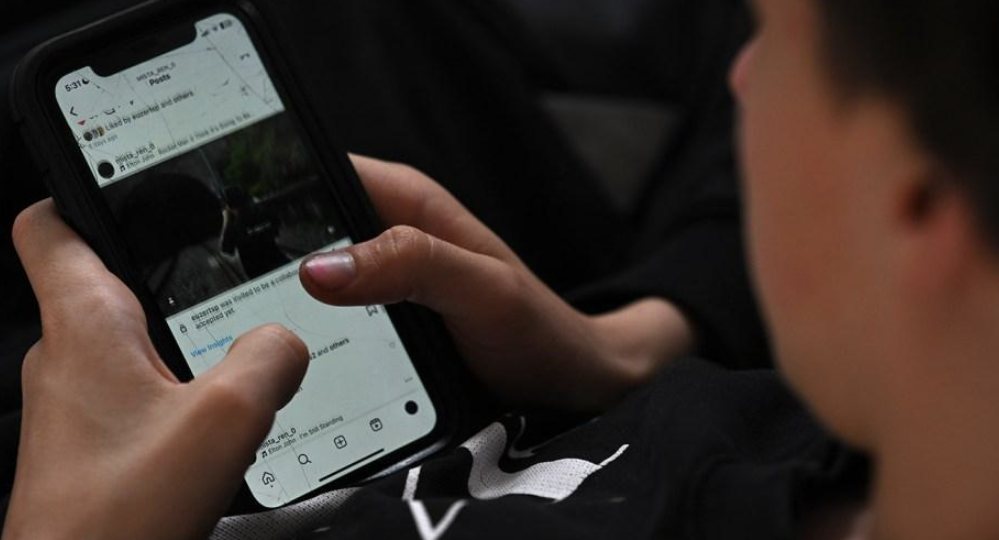
About 90% also believed teenagers could simply move to another social media or online service without the same restrictions.
There are also concerns about privacy.
More than three-quarters of respondents said age-verification systems could result in unnecessary collection of personal information.
South Korea’s media regulator previously raised the possibility of restricting social media use for children aged 14 and younger.
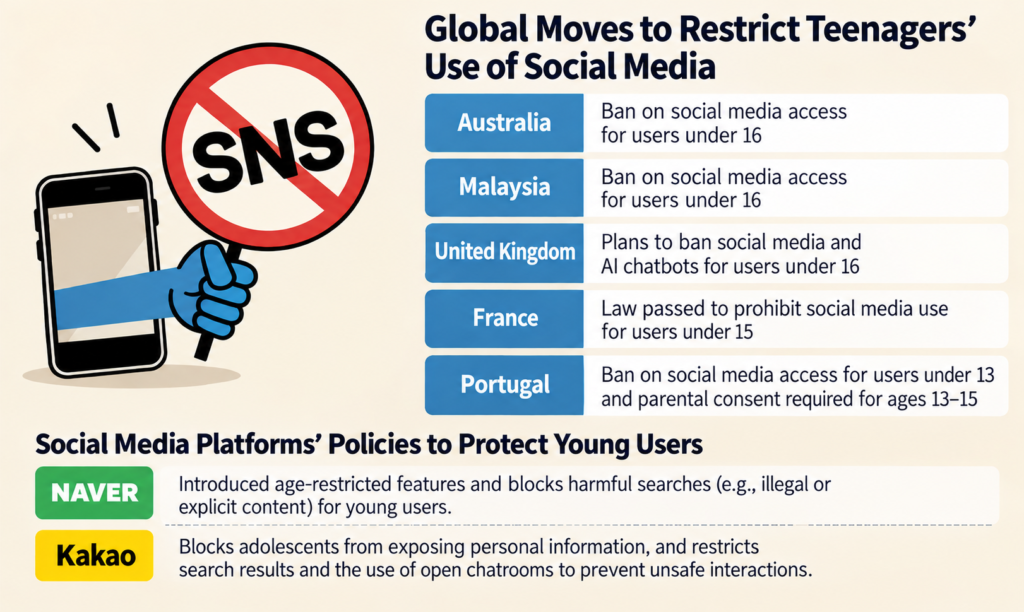
The discussion comes as other countries have also begun examining age-based approaches to children’s social media use.
Australia has introduced a minimum age requirement for many social media services, while policymakers in Europe and elsewhere are also considering stronger protections for young users.
South Korea is now examining its own approach in the context of an already highly connected digital society.
The issue extends beyond social media.
Starting Sept. 7, the government is conducting a nationwide survey of about 15,000 elementary, middle and high school students to examine changing media use and harmful environments affecting teenagers.
For the first time, the survey will examine teenagers’ use of generative artificial intelligence and how they interact with media algorithms.
It will also examine experiences involving gambling-related games, illegal financial practices, harmful websites, online violence and other potentially harmful activities.
The results are expected to provide policymakers with a broader picture of how teenagers are using digital technology and encountering risks online.
That information could become important as South Korea considers new youth protection policies.
The country’s challenge is finding a balance between protection and autonomy.
A blanket ban may be difficult to enforce and could encourage teenagers to move to less regulated platforms.
At the same time, leaving young users entirely responsible for managing their own online behavior may not adequately address platform designs that encourage prolonged engagement.
The survey results point toward a possible middle ground.
Instead of focusing solely on restricting access, South Korea could place greater responsibility on platforms to reduce harmful features, improve age verification, limit exposure to inappropriate content and provide stronger protections for young users.
Education will also remain important.
Parents and schools may need to help teenagers understand how recommendation algorithms work, recognize harmful content and manage their own screen time.
For teenagers, however, the debate is also about participation.
Policies designed to protect young people may face greater resistance if they are created without considering how teenagers actually use digital platforms.
South Korea’s growing debate therefore reflects a much larger question facing governments around the world.
As social media becomes an increasingly important part of everyday life, protecting young users may require more than simply keeping them off the platforms.
South Korea’s social media debate is increasingly shifting from a question of whether teenagers should be online to a more difficult question: how platforms, parents, schools and government can make the digital environment safer without taking away young people’s autonomy.
SOPHIA KIM
US ASIA JOURNAL

