



Investors across Asia adopted a cautious stance on Tuesday as attention shifted toward the U.S. Federal Reserve’s policy outlook and the start of the second-quarter corporate earnings season, two developments expected to shape global market sentiment in the weeks ahead.
Regional equity markets traded mixed as investors balanced optimism surrounding artificial intelligence-driven technology demand against uncertainty over the future path of U.S. interest rates. While expectations for strong corporate earnings continued to support technology shares, many investors remained reluctant to increase risk exposure before the release of key U.S. economic data and the Federal Reserve’s latest meeting minutes.
Market participants are closely monitoring signals from the Fed after recent U.S. economic data suggested that inflationary pressures may be easing while the labor market shows signs of moderating. Investors are looking for further guidance on whether policymakers will maintain current interest rates or consider additional policy adjustments later this year.
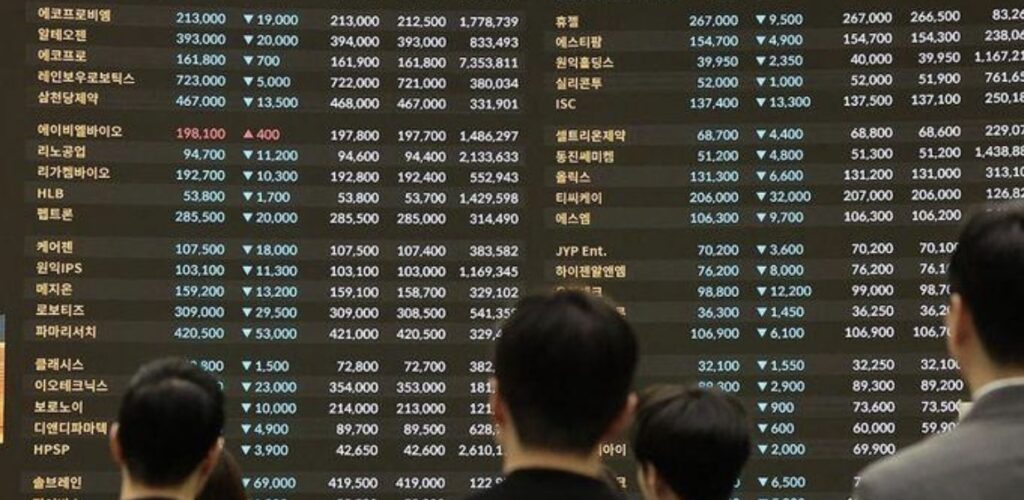

The Fed’s outlook remains particularly significant for Asian financial markets because changes in U.S. monetary policy influence global capital flows, exchange rates and borrowing costs. Export-oriented economies such as South Korea, Japan and Taiwan are especially sensitive to shifts in investor expectations surrounding the U.S. economy.
Attention has also turned to the beginning of the corporate earnings season, with major technology companies expected to provide updated guidance on demand for artificial intelligence infrastructure, cloud computing and advanced semiconductor products. Investors are expected to assess whether strong AI-related investment can continue supporting broader market performance through the second half of the year.
In South Korea, market participants are closely watching earnings from leading semiconductor manufacturers, while Japanese investors continue to monitor the impact of currency movements on export-oriented companies. Across Southeast Asia, fund managers are evaluating whether improving global demand will offset concerns over slower economic growth in some major markets.
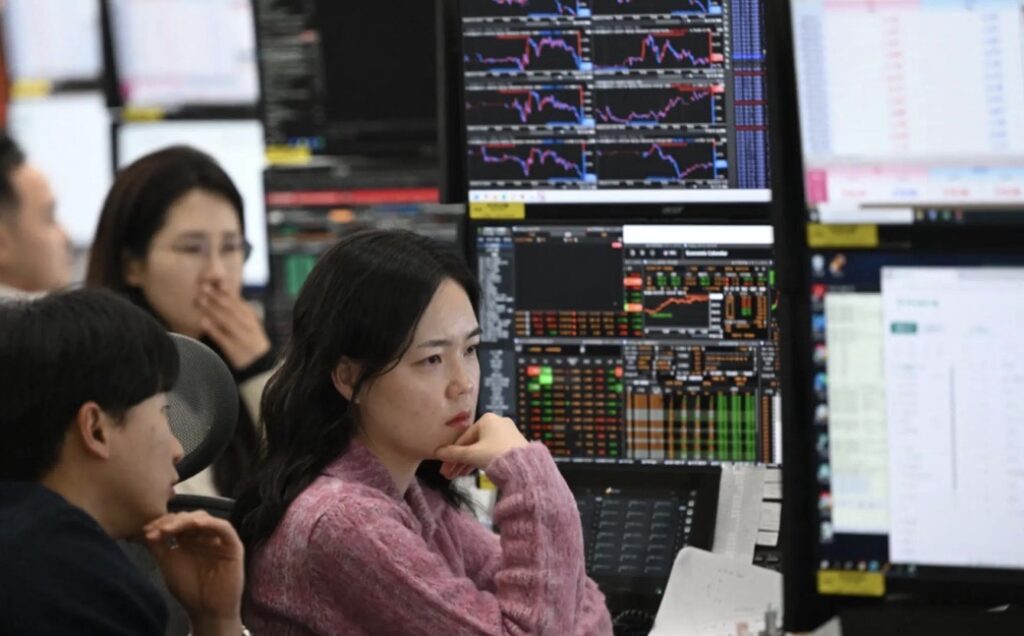
Lower energy prices following OPEC+’s decision to increase production have eased some inflation concerns, providing modest support for manufacturing economies that rely heavily on imported fuel. However, analysts cautioned that geopolitical risks, currency volatility and central bank policy remain important sources of uncertainty.
Despite near-term caution, investment managers said long-term fundamentals for Asia remain supported by continued growth in technology investment, expanding digital infrastructure and resilient consumer demand across several regional economies.
Market attention is expected to remain focused on U.S. economic indicators, Federal Reserve communications and corporate earnings as investors assess whether recent gains in global equity markets can be sustained during the remainder of the year.
SOPHIA KIM
US ASIA JOURNAL

