


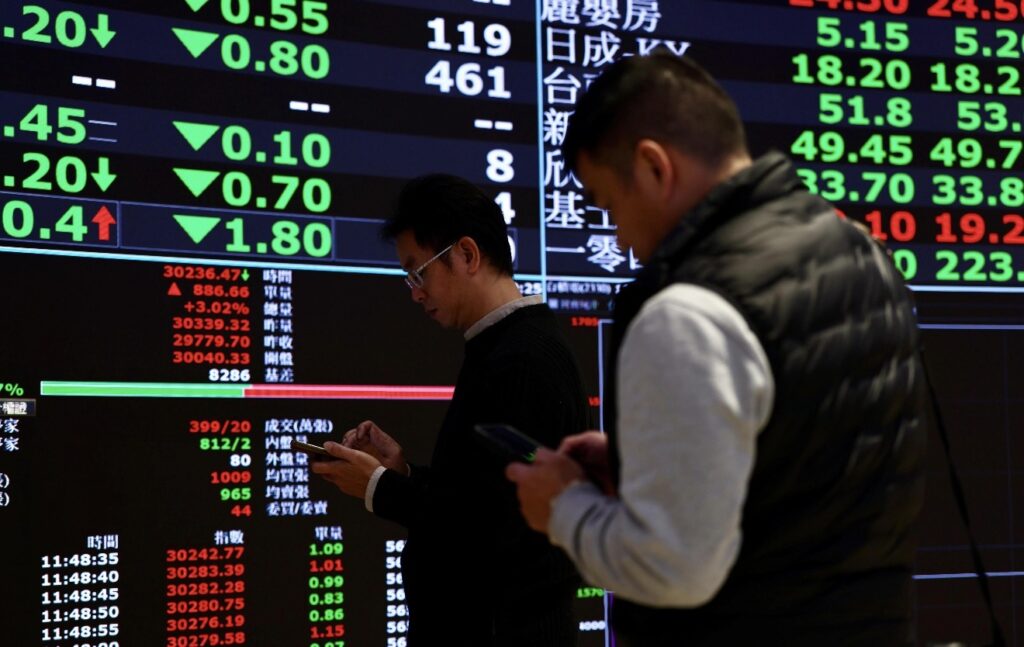
Foreign investors have accelerated portfolio adjustments across Asian equity markets after a prolonged rally in artificial intelligence-related stocks, with fund managers trimming positions in some of the region’s strongest-performing markets while seeking opportunities in less expensive sectors and economies.
Data compiled by market analysts show that overseas investors reduced holdings in several major Asian markets during the first half of the year, led by South Korea and Taiwan, where semiconductor shares posted substantial gains on expectations of continued investment in artificial intelligence infrastructure.
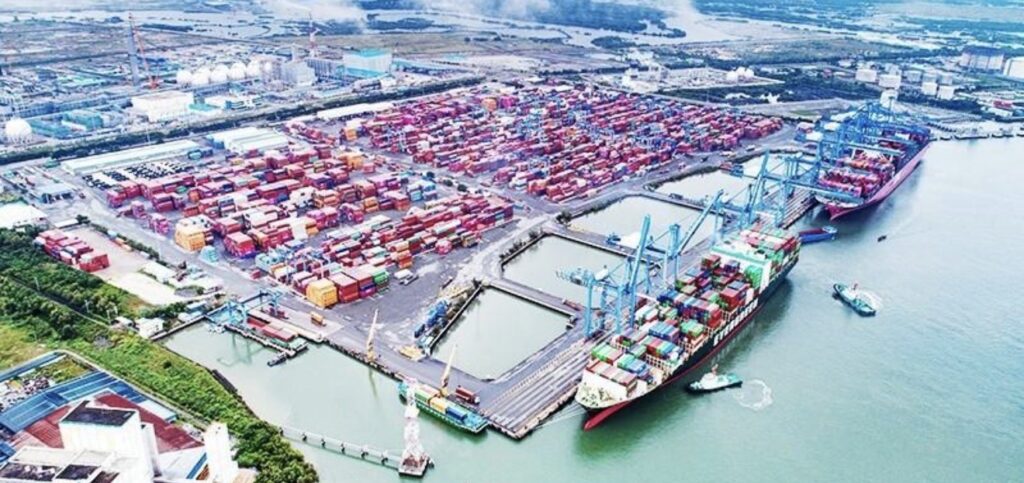
The shift has been driven largely by portfolio rebalancing rather than a broad retreat from Asian assets. Asset managers said the rapid appreciation of technology stocks increased their weighting in global portfolios, prompting institutional investors to lock in profits and redistribute capital across a wider range of industries and markets.

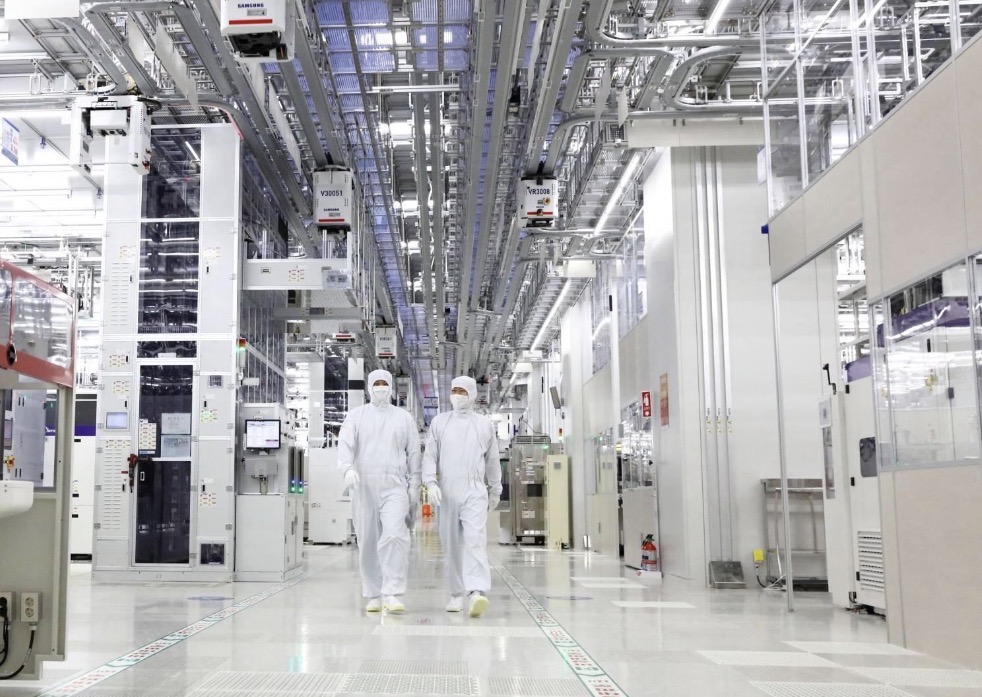
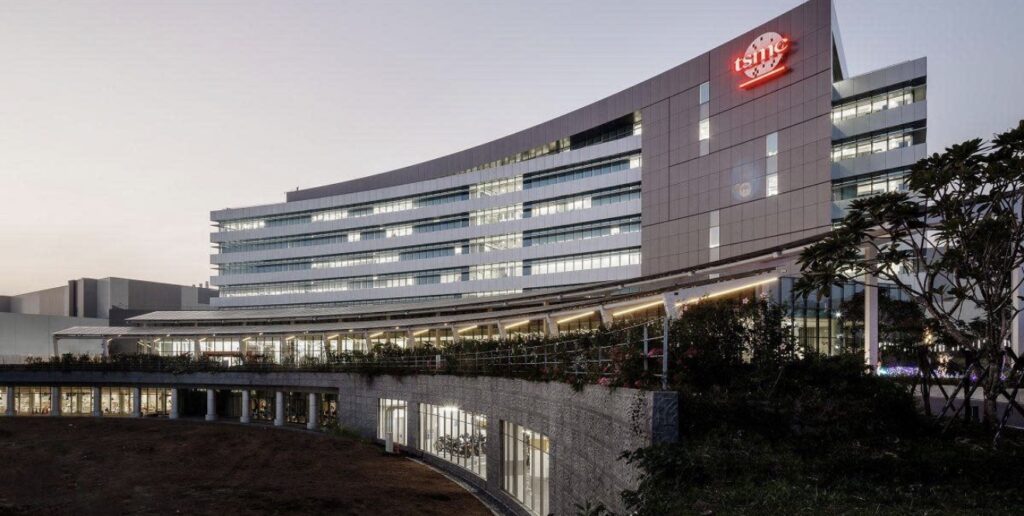
South Korea and Taiwan remain among the world’s most important semiconductor producers, supplying advanced memory chips and processors used in artificial intelligence servers, cloud computing and high-performance data centers. Strong earnings expectations and sustained demand have supported valuations, but they have also increased concerns about market concentration.
Some investors have redirected capital toward Southeast Asian markets, where valuations remain comparatively lower and sectors such as industrial manufacturing, infrastructure, renewable energy and defense are attracting renewed attention.
Market strategists said the adjustment reflects normal investment discipline following an extended rally rather than weakening confidence in Asia’s long-term growth outlook. Demand for AI-related hardware continues to support expectations for semiconductor producers, although investors are increasingly seeking broader exposure beyond a small group of technology leaders.

Analysts also noted that global investors continue to monitor U.S. monetary policy, geopolitical developments and corporate earnings as factors likely to influence capital flows during the second half of the year.
Despite near-term volatility, institutional investors continue to view Asia as a critical destination for long-term investment, supported by expanding technology industries, manufacturing capacity and domestic consumption across several regional economies.
The latest portfolio adjustments underscore how rapidly changing technology trends are reshaping global investment strategies while reinforcing Asia’s central role in the worldwide semiconductor and advanced manufacturing supply chain.
SOPHIA KIM
US ASIA JOURNAL

