


SINGAPORE – Singapore’s manufacturing output increased in April, increasing by 17.6 per cent from a year ago, on the back of soaring artificial intelligence-related demand that led to a surge in electronics production.
Excluding biomedical manufacturing, output increased 21.5 per cent.
This is according to data released by the Economic Development Board on May 26.
Overall growth was primarily driven by strong global AI-related tailwinds, said DBS economist Chua Han Teng.
On a seasonally adjusted month-on-month basis, manufacturing output increased 5.8 per cent in April 2026. Excluding biomedical manufacturing, output also increased 5.8 per cent.
On a year-on-year basis, all manufacturing clusters recorded output growth in April, except biomedical manufacturing and chemicals.
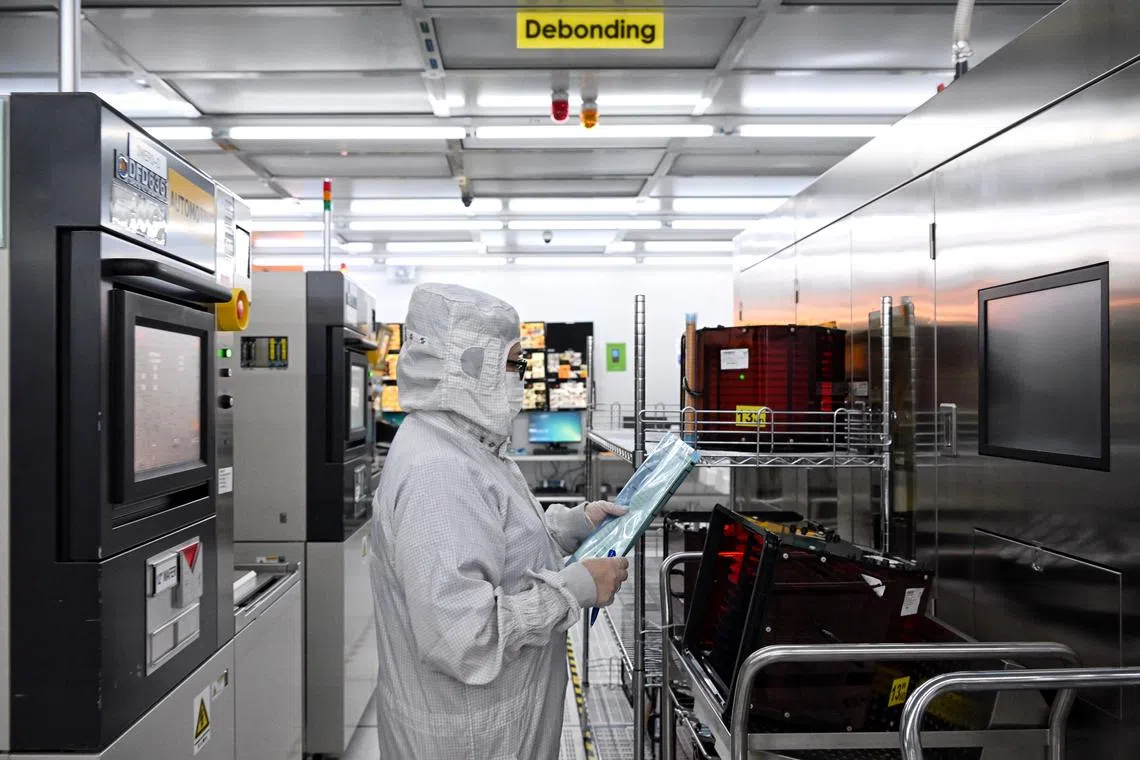
Electronics grew the most, at 44 per cent, led by the infocomms and consumer electronics and semiconductors segments, on the back of robust AI-related demand.
General manufacturing grew 16.9 per cent, due to higher production of structural metal products as well as beverages. Precision engineering grew 15.1 per cent.
The machinery and systems segment was driven by higher production of semiconductor equipment, while the precision modules and components segment saw increased output of optical instruments, electronic connectors, metal precision components, and dies, moulds, tools, jigs and fixtures.
Transport engineering grew 10.1 per cent, with the aerospace segment seeing higher production of aircraft parts and sustained maintenance, repair and overhaul (MRO) jobs from commercial airlines.
The marine and offshore engineering segment also recorded increased activity in ship repairing and the construction of oil rigs and platforms.
On the other hand, the chemicals cluster continued to bear the brunt of ongoing Middle East disruptions, with its decline widening to 17.6 per cent year on year, said Mr Chua.
Biomedical manufacturing also remained in contraction for the fifth consecutive month, falling by 16.1 per cent year on year.
Robust global AI-related demand, amid the shift towards increased usage of agentic AI, is likely to remain a key driver of Singapore’s manufacturing growth at least in the near term, benefiting the electronics and precision engineering clusters, said Mr Chua.
“However, we expect uneven performance across clusters to persist. The outlook for the chemicals cluster remains negative in the coming months due to curtailed and constrained feedstock supply resulting from unresolved disruptions in the Strait of Hormuz,” he said.
“The energy-intensive manufacturing sector continues to face rising input cost pressures and longer delivery lead times linked to the Middle East conflict, as indicated by April’s manufacturing purchasing managers’ index. These pressures would persist the longer the Iran war drags on, posing downside risks to the current strong factory momentum.”

