


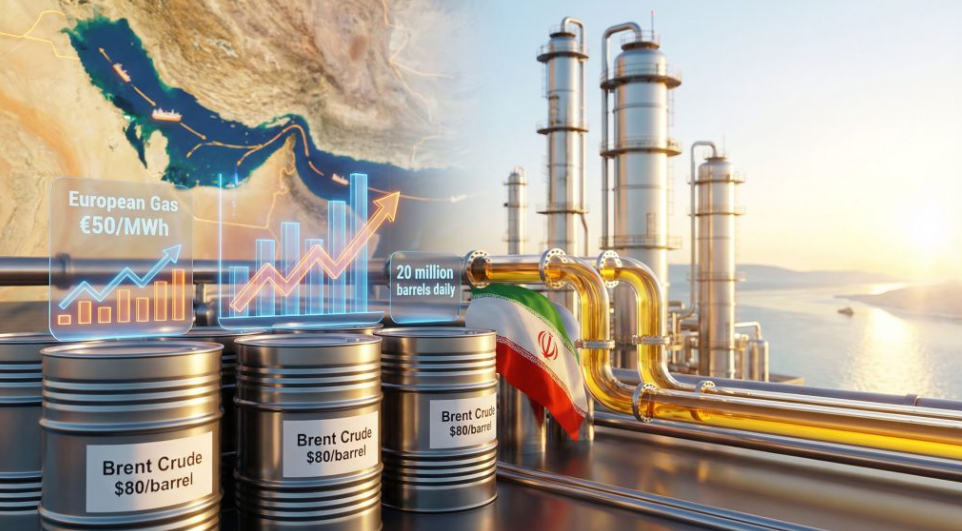
Citing the Dutch Times, it reported that “the burden of oil prices has increased in the aftermath of the blockade of the Strait of Hormuz, and many people are crossing borders more actively.” Under the Schengen Convention, most EU member states can freely pass borders when moving, which is used to fill up oil in other countries. The Schengen Convention is an agreement that calls for no restrictions on EU traffic.
European countries have a large oil price difference due to differences in oil taxes, distribution structures, and import costs depending on their geopolitical location. In the Netherlands, where gasoline prices per liter reached 2.62 euros as of the 2nd, the number of residents returning from Belgium recently surged. This is because the price of gasoline per liter in Belgium is currently 1.9 euros, which is lower than that of the home country.
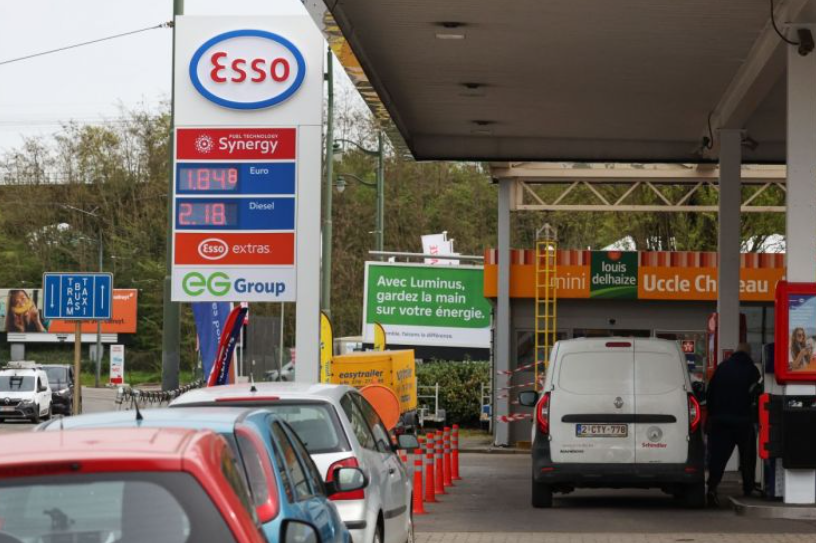
“When the (oil price) gap widens, consumers react sensitively to it,” Dutch economist Jeanne van Leken-Fan Bay said. “As the oil price gap widens between the two countries, the number of people filling up by coming to Belgium even further from the border has increased significantly.” “About 15% of gasoline consumption on the southern border has moved to Belgium,” he estimated. In response, a Dutch gas station operator near the Belgian border predicted that “the next two months will be quieter than usual (due to the Middle East war).”
As Germany, which borders the eastern Netherlands, cut its oil tax from the 1st, the number of away gas bound for Germany began to increase. Currently, the price of gasoline in Germany is around 2.1 euros per liter. On the other hand, consumers in eastern Germany are filling up the gas tank in neighboring Poland. In Poland, the price of gasoline per liter is 6.14 zloty, which is lower than in Germany.
The media said, “With the increase in remote gas, there are frequent traffic jams on the German-Polish border. In Poland, authorities are considering restricting sales to them and cracking down on away gas drivers as fuel shortages are feared.”
Meanwhile, U.S. President Donald Trump said on social networking services (SNS) on the 3rd, “Based on Middle Eastern time, we will support third-country ships trapped in the Strait of Hormuz to get out safely from the morning of the 4th.”
SAM KIM
US ASIA JOURNAL

