


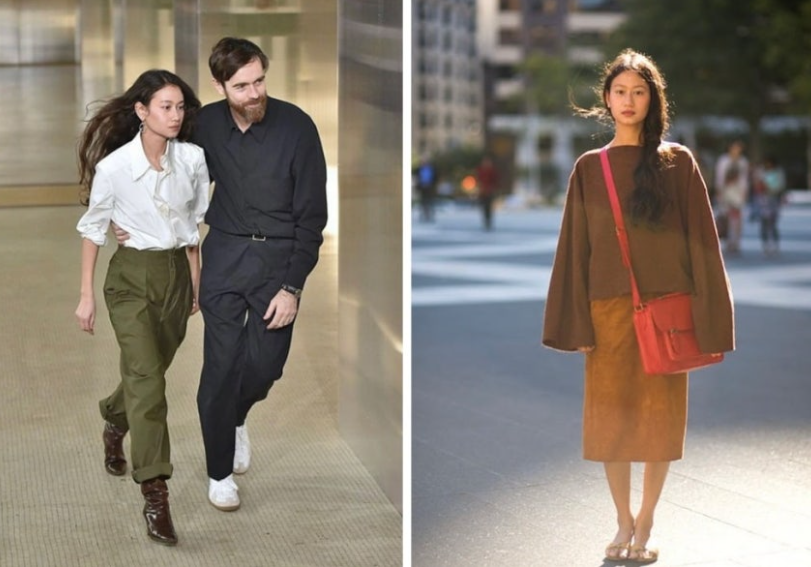
past, I liked clothes with the brand’s logo. Things anyone could see. We used to say, “Maker-wearing.” Things that didn’t have to be explained were convenient. But these days, it’s a little different. What you see before the logo is the material and design. More and more people choose clothes that don’t reveal the brand. ‘What you were wearing’ was once important, but ‘How it was made’ is now a more important standard.
Why are people looking for less logos? Why hide signals that anyone can see, and choose comfort and completeness? Do we really not spend more to show.
For some time, luxury was measured by the volume of sound. The size of the logo, the range of recognition, and the possibility of recognition by others were a measure of value. How many people recognize it was a measure of value. However, in recent years, this standard has been noticeably shaken. Instead, the company chose the so-called “quiet luxury.” It did not reveal the logo or put the brand to the forefront, and instead chose to prove itself by material, structure, and completeness. Why are people looking for fewer logos these days? On the surface, this trend is more of a result of changes in the consumption environment than a simple aesthetic choice. The first change is the fatigue of overexposure if you look closely at the changes. People suffer from too much information and too much display. With a few scrolls, we already see more than we want. Consumption is no longer an individual choice but an act displayed to others in the social media environment.
The problem is that as this exhibition exceeded a certain level, it began to lose its function of differentiation. Logos are no longer a scarce signal. Anyone can access it, anyone can imitate it, and everyone consumes the same image. As a result, ‘consumption to show’ works in the direction of erasing the difference. At this point, some consumers changed direction. Not as a visible signal, but as a signal that requires interpretation. They chose a strategy that recognizes only those who can recognize it.
The second change is economic uncertainty. Global economic slowdown and asset volatility also directly affect the way consumption is done. Showy consumption becomes a symbol of status when the economy is in good shape, but it begins to be recognized as a risk as uncertainty increases. What emerges at this time is ‘less revealing consumption’. The important point here is that consumption has not decreased, but the way of expression has changed. Even if a product of a similar price point is selected, it is moved to a product centered on materials and structures rather than a product centered on the logo. This is more of a rational luxury, not a saving.
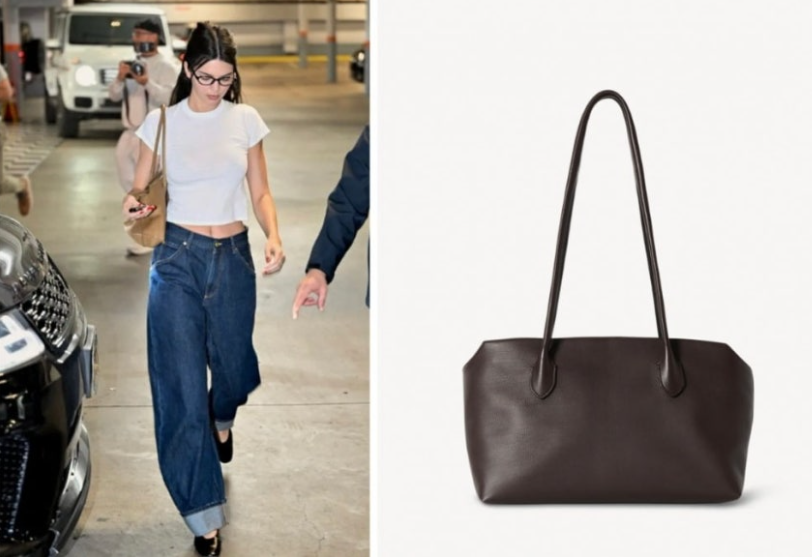
So I’m not drawn to speaking up anymore. Expensive but not obvious clothes may be close to wanting to become ‘a person who doesn’t have to explain’. Good materials are revealed up close, and good designs are felt without the wearer’s telling. The third is the internalization of taste. In the past, the perception of others completed taste, but now personal standards are more important. The criterion of choice is ‘Do I understand’ rather than ‘Does others recognize?’ This change makes consumption more complicated. Logos provide immediate criteria for judgment, but materials and structures require experience. Only by touching, hearing, and using can you see the difference. In other words, quiet luxury is consumption that requires more information and senses.
Is quiet luxury really “quiet”. Although it may seem quiet on the outside, it is very likely a coded signal that can only be interpreted by a very limited group. For example, only people with experience can read certain materials, finishes, and silhouettes. This is less explicit than the logo, and it is a completely different way of ‘distinguishing’. In other words, quiet luxury will not be the end of the show, but rather the evolution of the show.
Interest in materials and structures is likely to lead to quality-oriented consumption rather than temporary trends. On the other hand, the name ‘quiet luxury’ itself is already used as a marketing language. Ironically, the moment ‘quiet’ is promoted, it can no longer be completely silent.
Good things need no explanation and no exaggeration. This is due to the fact that they eventually emerge over time. So quiet luxury also returns to a question. What we are consuming right now. Whether it’s a sign to the gaze of others or a standard to convince ourselves. The loud ones spread quickly, and the quiet ones slowly remain. Consumption now is perhaps closer to the process of dividing the speed. From a choice to be seen to a choice that you want to understand.
After all, the trend is “the way you want to get caught.” The desire to be recognized even though it is not revealed, and the attitude to expect to be passed without explanation. Quiet luxury stands on top of that subtle desire. Between the side you want to hide and the side you want to get caught in the end. If you look at the way people wear, eat, and write, you can see the direction of life now.
SALLY LEE
US ASIA JOURNAL

