


SINGAPPORE – A Singapore Exchange (SGX) unit has denied claims from a Geneva-based commodities trader that it failed to meet its statutory and contractual obligations in producing a key benchmark for the cost of shipping oil from the Middle East.
Mercuria Energy Group has alleged that the Baltic Exchange Information Services’ tanker pricing data did not account for the effective closure of the Strait of Hormuz, costing it hundreds of millions of dollars, a court filing dated April 30 and seen by Reuters has showed.
The Baltic Exchange provides benchmark pricing for the global shipping of commodities such as oil, coal and grain. Its data is widely used by traders, shipowners and banks, and plays a key role in global trade and commodity markets.
The court filing, submitted through England’s High Court, alleged that the Baltic Exchange continued to publish its benchmark crude tanker index, known as TD3C, despite the effective closure of the Strait of Hormuz.
The TD3C benchmark – which tracks the cost of shipping crude oil from the Middle East to China, one of the world’s busiest energy trade routes – is widely used by traders, shipowners and financial markets to price contracts and manage risk.
On May 2, the Baltic Exchange firmly denied the allegations and expressed confidence that it has followed all the required rules and obligations in how it produces the benchmark.
While it is still waiting for full details of the claim, the Baltic Exchange said Mercuria is asking the English High Court to order it to change how the benchmark is calculated. It added that it stands by its methods, frameworks and oversight processes, and believes the claim has no basis, and will defend its position.
In a separate statement filed on the local bourse on May 3, SGX also denied the allegations.
“The Baltic produces its benchmarks in accordance with established and robust governance frameworks, methodologies and oversight processes,” the statement said.
“SGX Group notes that the Baltic has issued a separate statement affirming its full confidence in its processes, its belief that the claim from Mercuria to be without merit, and that it will defend it to the fullest extent.”
The Baltic Exchange, founded in 1744, is a cornerstone of global shipping, publishing rates that set freight prices and underpin billions of dollars in derivatives.
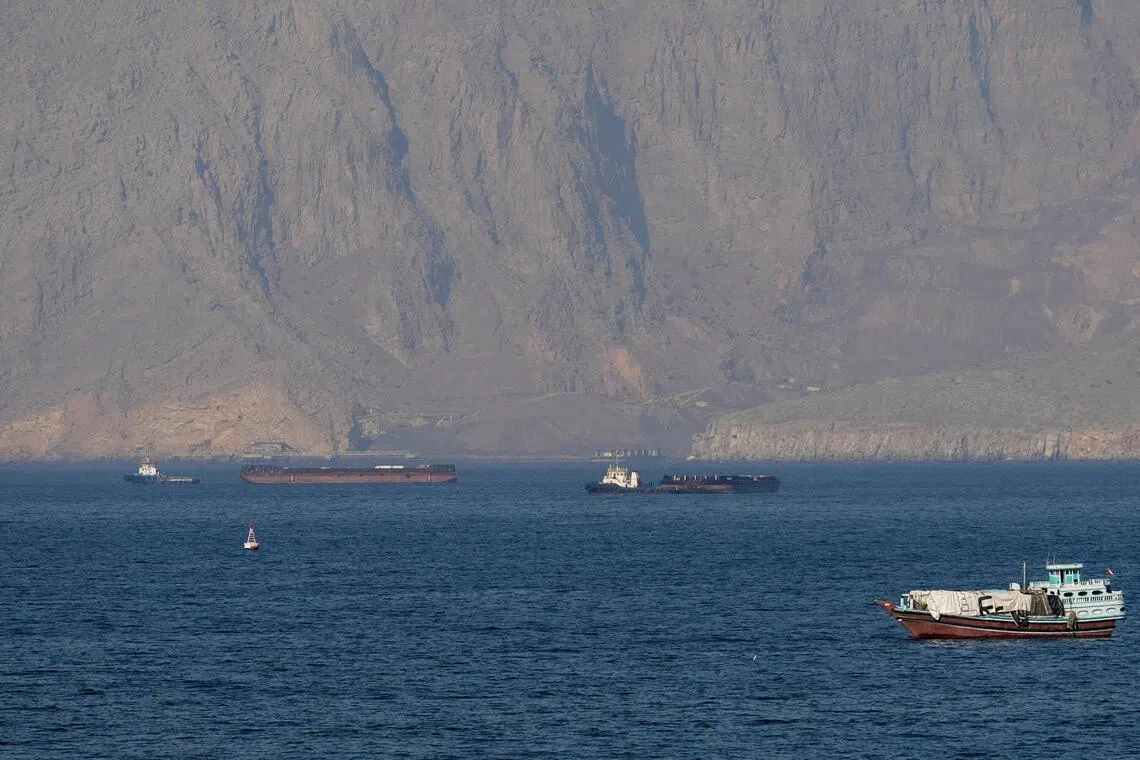
The conflict in Iran has thrown that market into turmoil, with brokers struggling to assess key shipping rates after traffic through the Strait of Hormuz dried up due to the ongoing conflict between Iran and the US.
SGX acquired the Baltic Exchange in a £87 million (S$150.3 million) cash deal in 2016 as part of its push into commodities and freight markets.

