


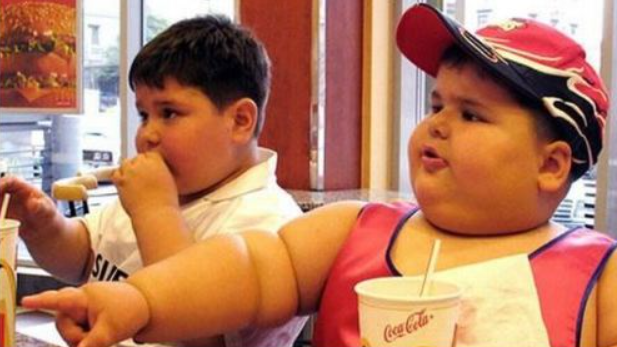
The British government is going into an all-out war against childhood obesity. Fritters are completely removed from the lunch menu, and cakes are only allowed once a week.
The British daily The Times reported that the British government is pushing for a reform plan to significantly strengthen nutrition standards for school meals for the first time in more than a decade.
The key is the complete ban on fried foods and the restriction of high-fat, high-sugar, and high-salt foods. The reorganization is evaluated as a measure to address child obesity and nutritional imbalance.
Under the reform plan, all fried foods, including French fries, are completely excluded from school meals. High-fat and high-salt foods such as pizza, pastry and processed meat are strictly limited.
Sugar desserts such as cakes and puddings are limited to once a week. A minimum of 50 percent of desserts must contain fruit.
Beverage standards have also been strengthened, so fruit juice is excluded from the allowed list and only water, milk and low-sugar drinks are provided.
The diet composition will also change significantly. All staple foods must include vegetables or salads, and the use of whole grains and legumes will be expanded.
The government aims to reduce sugar intake and increase dietary fiber intake among students through the overhaul.
Another axis of this reorganization is ‘transparency’. All schools are required to disclose their meal menus online and post food policies that cover overall nutrition and meal service operations. The move is aimed at allowing parents and students to directly check the contents of school meals and raise questions. In addition, each school will appoint a person in charge of supervising compliance with meal service standards to strengthen internal control.
The government acknowledged that existing school meal standards were not properly followed, and this time said it would introduce a “compelling” system to strengthen management and supervision at the central level. Education Secretary Bridget Phillipson stressed that “a strong implementation system will be established so that documentary standards lead to actual diet improvement.”
The measures stemmed from a sense of crisis over worsening child health indicators. According to government data, children eat twice as much sugar as recommended, and more than 90 percent of them lack dietary fiber. The obesity rate, which was around 10 percent when entering elementary school, exceeds 20 percent when graduating and approaches 30 percent in low-income areas. In addition, tooth decay is considered the top cause of hospitalization for children aged five to nine.
The reform plan will be finalized after nine weeks of public hearings. The government plans to announce the final policy within this year, reflecting the opinions of parents, schools and catering companies.
JULIE KIM
US ASIA JOURNAL

