


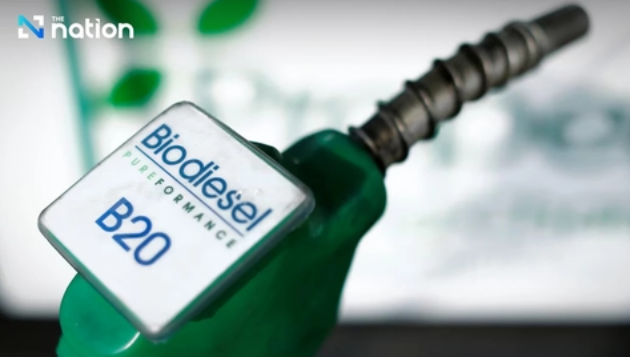
Thailand, which increases the use of palm oil-mixed biodiesel in the energy supply shortage caused by the Iranian war, introduced a permit system for palm oil exports only after approval from the authorities.
According to local media Nation and Xinhua News Agency, the Thai government announced in its official gazette that it would implement a palm oil (CPO) export permit system.
Palm oil exporters will not be allowed to export palm oil from the 7th without written permission from a related committee under the Ministry of Commerce of Thailand.
Exporters must export palm oil according to the type, quantity, period, and destination specified in the export permit, and attach a permit to all export shipments.
Unless otherwise notified, this measure will last for the next year.
The Commerce Department said the move is aimed at balancing the consumption, industry and energy sectors while securing enough supply to meet domestic demand in line with market conditions.
He also explained that biodiesel’s palm oil mixing ratio is expected to increase in Thailand as the war in Iran encourages a continued rise in global oil prices, and demand for palm oil exports is also increasing.
Earlier at the end of last month, the Thai Prime Minister’s Office announced that it would expand the use of B20 biodiesel containing 20% of Thai palm oil.
The B20 supply is aimed at easing pressure on the transportation sector and industrial supply chains to increase costs by reducing dependence on imported fuel, and supporting the agricultural sector by creating stable demand for Thai crops, the government said.
To this end, Thai authorities have decided to subsidize B20 and keep the price 5 baht per liter (L) cheaper than regular diesel.
In addition, major oil companies such as PTT, Bangtan, and Shell are expanding their B20 distribution networks nationwide, according to the Thai government.
Indonesia, the world’s largest palm oil producer, also announced at the end of last month that it would push for the introduction of B50 biodiesel this year, which increased the mixing ratio of palm oil from 40% to 50%.
SAM KIM
US ASIA JOURNAL

