


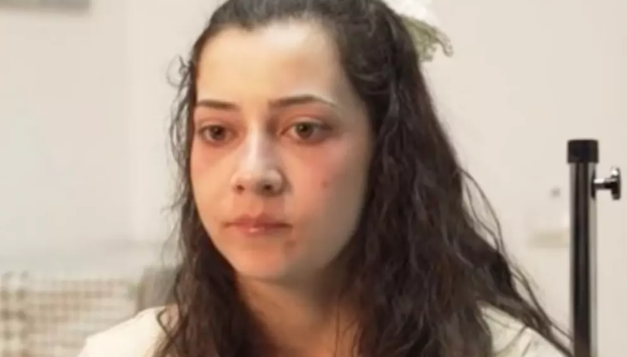
Argentina’s media has intensively reported the death of a Spanish woman in her 20s who suffered from mass sexual violence and paraplegia caused by extreme attempts due to euthanasia after a long legal battle.
Noelia Castillo Ramos, a 25-year-old woman from Barcelona, Spain, was euthanized at a Barcelona-based hospital with the help of medical staff, according to Argentine media La Nacion, Perpil, and TN.
She jumped from the fifth floor of the building in October of the same year after being sexually assaulted by three men in a group in 2022, which left her paralyzed from the waist down due to spinal cord injuries. Since then, she has suffered severe physical pain due to chronic neuralgia and incontinence, and mental pain has also been reported to be serious.
She has since been admitted to a psychiatric hospital and received psychotherapy, but has not improved and has continued several extreme attempts.
Eventually, Noelia officially applied for euthanasia in 2024, and the Catalan Evaluation Committee approved it, judging that it amounted to “irreparable condition and persistent and unbearable pain.”
But the case led to a protracted court battle as her father demanded an end to the proceedings with the support of religious groups.
Cases have risen to the European Court of Human Rights, following the Catalan court, Spain’s Supreme Court, and the Constitutional Court, but all judicial institutions have recognized the parties’ right to self-determination.
“I don’t want to suffer anymore, I want to leave peacefully,” Noelia said in an interview during her lifetime. “Family happiness cannot take precedence over my life.”
In addition to the 2022 sexual assault, she has grown up in a very disadvantaged and difficult environment since childhood, and has reportedly spent a considerable period of time in a shelter since she was young, suffering from mental health problems.
This case is considered to be the first case to reach the highest judicial level since the implementation of the euthanasia system in Spain, and is causing great repercussions not only locally but also in the international community.
In particular, major Argentine media also focused on the case as major news, conveying the progress of the case, euthanasia procedures, and legal issues in detail, highlighting social debates.
The incident is rekindling legal and ethical debates over the scope of euthanasia.
Noelia was approved for euthanasia in her 20s without being a terminal patient, and controversy is growing in that not only physical pain but also mental pain was recognized as an important reason.
Opponents argue that allowing euthanasia on the basis of mental distress can set a dangerous precedent, and allowing irreversible decisions without fully considering the potential for treatment is a problem.
On the other hand, the proponents say that the individual’s right to self-determination should be respected as the patient’s decision-making ability and spontaneity have been confirmed through multiple medical staff and expert evaluations.
Experts believe that this case will further spread the debate over “dignity” and “right to die” not only in Europe but also in the international community, including Latin America.
Currently, only patients diagnosed with terminal, incurable, and non-reversible diseases can be denied treatment or treatment in Argentina. Active euthanasia is illegal for medical staff to help death by administering drugs.
JULIE KIM
US ASIA JOURNAL

