


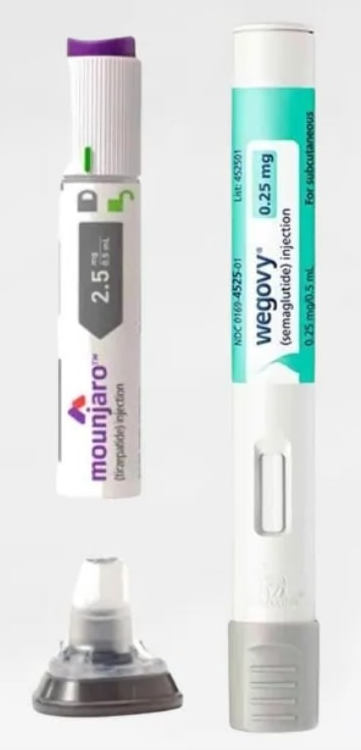
Glucagon-like peptide 1 (GLP-1) obesity treatments such as gastric emptying and mountaineering are in vogue these days. GLP-1 is a hormone that comes from the ends of our small intestine, some brains, and the pancreas. When blood sugar rises after eating, GLP-1 increases insulin secretion and slows down the passage of food from the stomach to the small intestine. It also works on the brain to increase satiety and lower appetite. Both the head and body suppress their appetite. This is why this treatment is so popular day by day, regardless of age or sex, amid the “Helsifle leisure” craze. Quick pharmaceutical companies are launching a wide range of drugs from injections to pills. Novo Nordisk launched its own WeGovy pill in January, and Eli Lilly plans to launch its own oral drug this year.
These medications are particularly popular with obese Americans. According to the KFF Health Tracking Survey, a non-profit health policy tracking agency, one in eight adults in the United States are currently taking GLP-1 drugs such as Ozempic and Jebbound. This figure is only for those who are currently taking it, and 18% of respondents said they are taking it again after taking it in the past. The price of GLP-1 drugs has fallen since they have become so popular, and pills that are easy to take are being released. According to JPMorgan, 10 million Americans are receiving GLP-1 treatment this year, which is expected to increase to more than 30 million by 2030.
The popularity of the GLP-1 drug has, on the other hand, been a direct hit in the food and beverage industry. According to KPMG, adults taking GLP-1 eat 21% fewer calories on average, and their food spending has decreased by about a third. Seventy percent of drug users have also reduced their snack intake, and 45 percent have decreased their eating and drinking. JPMorgan predicts that the use of GLP-1 drugs will reduce annual sales in the food and beverage industry by $30 billion to $55 billion by 2030. As a result, the food and beverage (F&B) industry has begun to change its strategy to defend against profitability. It is that they are scrambling to introduce products rich in protein and fiber. Dawn K., head of strategy and execution at Unst & Young.”Companies are making changes that target the health-pleaser population, such as labeling GLP-1-friendly, reducing one-time offerings, and emphasizing protein content and hydration,” Johnson said.
In fact, GLP-1 drugs reduce the user’s calorie intake, so higher quality calories are important. It is literally ‘quality than quantity’. In addition, it is essential to consume water to relieve side effects such as protein to prevent muscle loss, dietary fiber for intestinal health and digestion, and nausea and headache.
Because of this, food and beverage companies have diversified their product lines to healthier options to keep up with the demand. In recent months, PepsiCo has launched Doritos, which is high in protein, and unveiled sun chips and smart food popcorn, which are rich in dietary fiber. Nestle listed the word “GLP-1-friendly” on the frozen food section on its Vital Pursuit wrapper, while J&J Snack Foods introduced a protein-added soft pretzel at the frozen food section and Ruizis Italian Ice, which contains antioxidants and hydrating ingredients. Restaurant companies are also making a move for change. This is because GLP-1 users tend to skip breakfast itself, as well as reduce dinner out. Bernstein’s research report found that the frequency of eating out among GLP-1 users can be reduced by up to 45% depending on the type of food and the situation. The fast-food division’s evening sales fell by 0.4%, and restaurant visitors also fell by more than 6%.
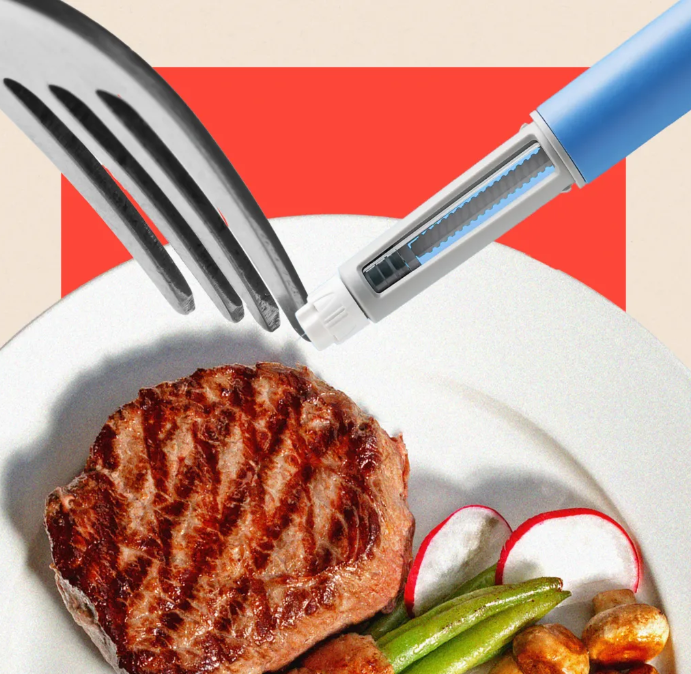
McDonald’s is developing menus in consideration of GLP-1 users’ preferences, and Chipotle has launched a protein cup that’s easy to consume. Instead of launching a separate low-calorie menu, Olive Garden has opted to reduce the serving of its existing flagship menu and lower the price as well.
It is expected that more users will choose the GLP-1 component if it comes in the form of a daily pill. In response, restaurants and food suppliers are immediately developing products that suit consumer tastes by taking advantage of the latest data on the eating habits of GLP-1 users. “We are considering launching products specifically designed for GLP-1, or supplementary products that emphasize protein and dietary fiber,” said Nestle U.S. Chief Executive Marty Thompson. “We also plan to introduce new protein shakes in the beverage market that can target GLP-1 customers.” As the number of GLP-1 users is increasing rapidly in Korea, it is time for the food and beverage industry to consider a preemptive response strategy.
JULIE KIM
US ASIA JOURNAL

