



Research shows that the metabolic method of pythons, which swallow a lot of food at once and then starve for a long time, can also be applied to control human appetite.
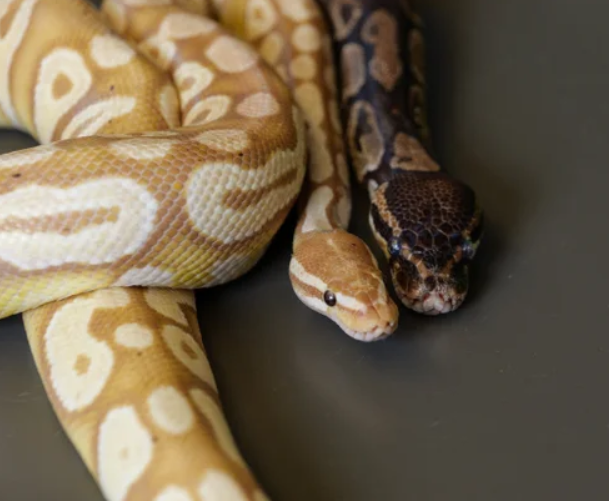
According to the Guardian, researchers at Stanford University in the U.S. analyzed the blood of Myanmar’s python and identified a rapidly increasing metabolite called pTOS immediately after eating. This substance is produced by the intestinal microorganisms of pythons and is known to be present in small amounts in the human body.
Studies have shown that pythons’ heart grows by about 25% and their metabolic rate increases by up to 4000 times within a few hours of feeding. After that, they can survive without eating for up to 12 to 18 months without any side effects.
When the researchers administered pTOS to obese mice, the mice’s intake was noticeably reduced and their weight was reduced by about 9% in 28 days. However, it was analyzed that the substance mainly acted on appetite control because there was no significant change in energy consumption or organ size.
In particular, it is noteworthy that pTOS works in a different way than conventional obesity treatments. GLP-1 drugs, such as Hugo Bee, which are currently widely used, maintain satiety by slowing down the rate of food discharge from the stomach. However, side effects such as nausea and abdominal pain may occur during this process. On the other hand, pTOS has been shown to inhibit appetite itself by acting directly on the hypothalamus of the brain.
The researchers evaluated that the discovery could lead to the development of new obesity treatments, but said further research is needed until actual clinical application. However, pTOS is expected to be a relatively safe candidate for treatment as it is a substance that naturally exists in the human body.
JULIE KIM
US ASIA JOURNAL

