


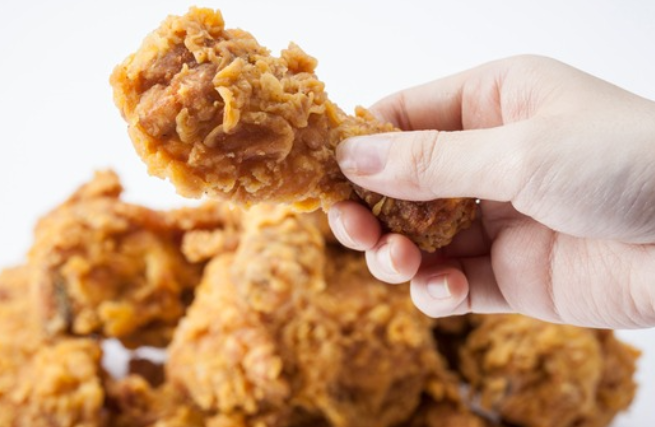
Dark Meat, such as chicken legs and thighs, which have been treated as low-class parts for a long time, has rapidly emerged as a mainstream ingredient due to changes in food culture and rising prices.
Citing market research firm Circana, the Wall Street Journal (WSJ) reported that sales of dark meat-based chicken meat have increased 23.1% year-on-year in the past year. The consumption structure centered on chicken breasts, which dominated the market with the healthy image of “low fat and high protein,” is shaking.
Institutional factors also played a role in the background of dark meat. According to the standards set by the U.S. Food and Drug Administration in 1994, foods high in fat were not labeled as “health.”
Chicken breast monopolized the market with marketing based on this standard, and McDonald’s preference for breast meat became a culture, with McDonald’s success with “100% White Meat” McNugget in 2003.
What changed the atmosphere was a change in the demographic structure. As the number of Asian and Hispanic people in the U.S. increased, chicken meat, which is familiar to them, spread throughout the restaurant market.
Peking House, a popular restaurant in New York, is considered the best sandwich in New York for its thigh-salted sandwich made with duck oil and chili oil. The WSJ called it a symbol of a change in American food culture.
Economic factors also boosted demand. As the price of U.S. beef soared to an all-time high, consumption shifted to relatively inexpensive chicken, especially dark meat with high price competitiveness.
Surging demand has led to price hikes. According to the industry, the price of bone-dark meat rose 93 percent in January this year compared to five years ago. Once sold at bargain prices overseas, it has now become a key item driving the growth of the U.S. poultry market.
JULIE KIM
US ASIA JOURNAL

